





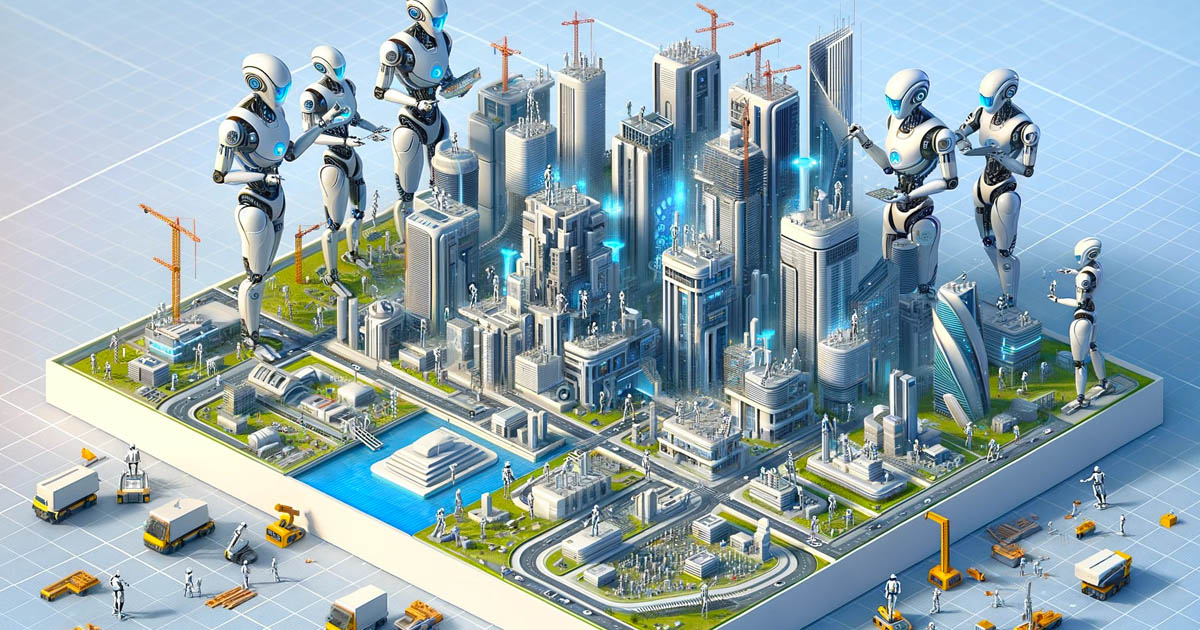

The rapid advancement of artificial intelligence (AI) has sparked debates across industries, and architecture is no exception. With AI tools already assisting in design, drafting, and project management, many wonder if architects will become obsolete by 2030. This in-depth analysis explores AI’s current role in architecture, its potential future impact, and whether human creativity can be replicated by machines.
A. The Current State of AI in Architecture
1. AI Tools Architects Use Today
A. Generative Design Software (Autodesk’s Dreamcatcher, TestFit)
-
Creates thousands of design options based on parameters
-
Optimizes for space, materials, and energy efficiency
B. Building Information Modeling (BIM) Enhancements
-
AI-powered clash detection in Revit
-
Predictive analytics for construction timelines
C. 3D Visualization & Rendering
-
AI tools like Midjourney create instant architectural visuals
-
Virtual reality walkthroughs with real-time modifications
2. Benefits of Current AI Integration
-
75% faster schematic design phases
-
30% reduction in material waste through optimization
-
Improved accessibility for small firms
B. How AI Could Transform Architecture by 2030
1. Predicted Advancements
A. Fully Automated Building Design
-
AI systems generating code-compliant plans in minutes
-
Continuous learning from global architecture databases
B. Real-Time Adaptive Structures
-
Buildings that modify their form using AI sensors
-
Dynamic facades responding to weather patterns
C. AI Client Interaction
-
Virtual design assistants handling client meetings
-
Emotion-reading AI suggesting design preferences
2. Potential Job Market Impacts
-
40% reduction in entry-level drafting positions (McKinsey estimate)
-
New roles like “AI Design Strategist” emerging
-
Increased competition from AI-powered design platforms
C. Limitations of AI in Architecture
1. Creativity & Originality Challenges
-
AI struggles with truly innovative concepts
-
Cannot replicate cultural context understanding
-
Lacks emotional intelligence in design
2. Technical & Ethical Barriers
-
Liability issues for AI-generated designs
-
Copyright questions on AI-created architecture
-
Safety concerns in fully automated structural engineering
3. Human Skills AI Can’t Replace
-
Client relationship management
-
On-site problem solving
-
Historical preservation expertise
D. Case Studies: AI vs Human Architects
1. The AI-Designed House (2019)
-
Algorithm-generated layout for maximum sunlight
-
Human architects needed to make it livable
2. Zaha Hadid Architects’ AI Use
-
Using machine learning for parametric designs
-
Still requiring human creative direction
3. Autodesk’s AI Pavilion
-
Entirely AI-generated structure
-
Required extensive human engineering oversight
E. Industry Expert Predictions for 2030
1. Pro-AI Perspectives
“By 2030, AI will handle 60% of schematic design work, allowing architects to focus on creativity.” – Phil Bernstein, Yale School of Architecture
2. Human-Centric Views
“Architecture isn’t just problem-solving—it’s storytelling. AI lacks this capability.” – Bjarke Ingels, BIG Architects
3. Hybrid Approach Forecast
“The future belongs to architects who can effectively collaborate with AI systems.” – Daniel Davis, WeWork’s Former Head of Research
F. How Architects Can Future-Proof Careers
1. Essential Skills to Develop
A. AI Tool Proficiency
-
Mastering Midjourney, DALL-E for conceptual work
-
Learning computational design tools
B. Emotional Intelligence
-
Enhancing client consultation skills
-
Developing unique design philosophies
C. Specialized Knowledge
-
Sustainable design expertise
-
Historic preservation techniques
2. Emerging Career Paths
-
AI-Architecture Integration Specialist
-
Digital Twin Manager
-
Parametric Design Expert
G. The Verdict: Replacement or Evolution?
1. Why Complete Replacement is Unlikely
-
Architecture requires human judgment on safety
-
Clients value creative vision and empathy
-
Building codes need human interpretation
2. The Probable 2030 Scenario
-
AI handles routine design tasks
-
Humans focus on concept development
-
New AI-assisted design methodologies emerge
Conclusion
While AI will undoubtedly transform architecture by 2030, it’s more likely to become a powerful collaborator than a replacement. The profession will evolve to value uniquely human skills—creativity, emotional intelligence, and cultural sensitivity—while leveraging AI for efficiency. Architects who adapt to this new paradigm will thrive in an AI-augmented future.
Tags: AI in architecture, future of design, architectural technology, AI vs architects, generative design, construction innovation, future jobs, architectural software, smart buildings, design automation