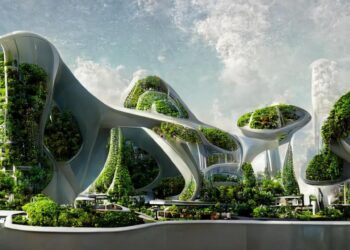







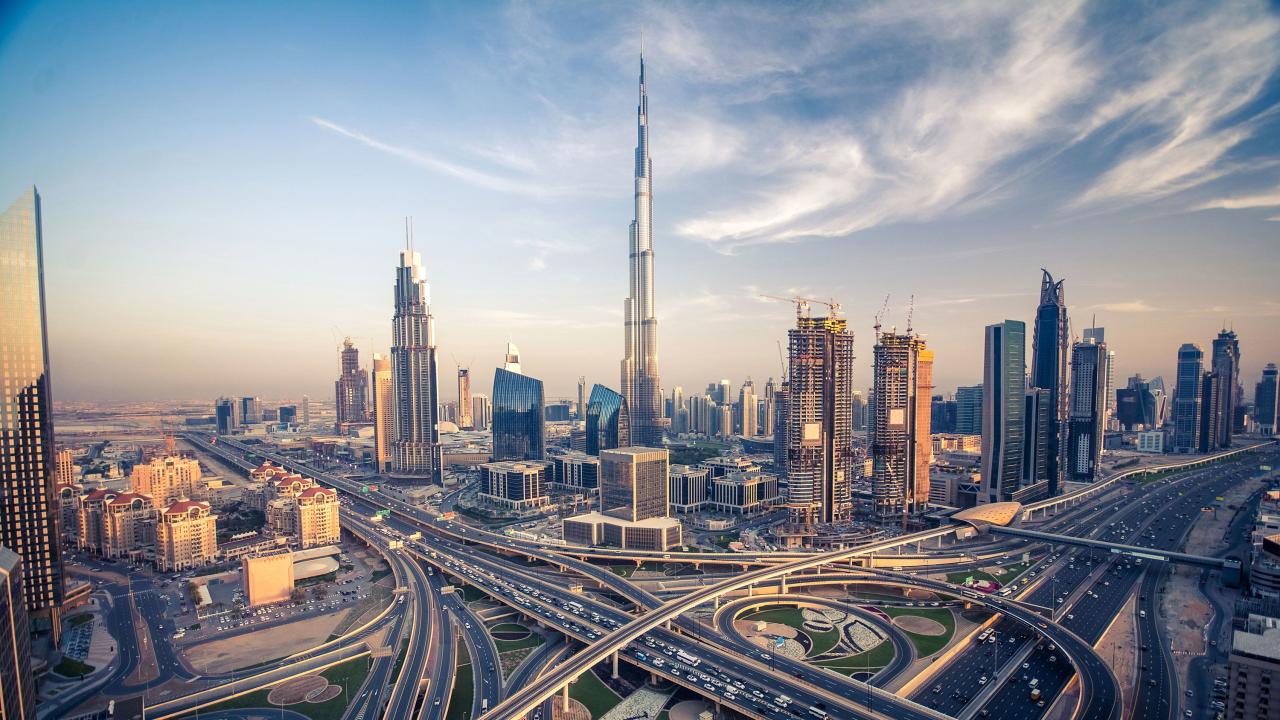

Dubai, a city synonymous with luxury and innovation, has become a global hub for groundbreaking architecture. From the Burj Khalifa to the Palm Jumeirah, the emirate consistently pushes boundaries by hiring the world’s most renowned architects. But why does Dubai prioritize star architects over local talent? This in-depth article explores the strategic, economic, and cultural reasons behind this trend while examining its impact on tourism, investment, and global branding.
A. The Rise of Dubai’s Architectural Marvels
1. Defining Star Architects
Star architects are globally recognized designers known for their iconic, avant-garde structures. Names like Zaha Hadid, Santiago Calatrava, and Norman Foster are synonymous with Dubai’s skyline.
2. Key Landmarks Designed by Star Architects
-
Burj Khalifa (Adrian Smith, SOM) – The world’s tallest building.
-
Dubai Opera (Janus Rostock, Atkins) – A cultural masterpiece.
-
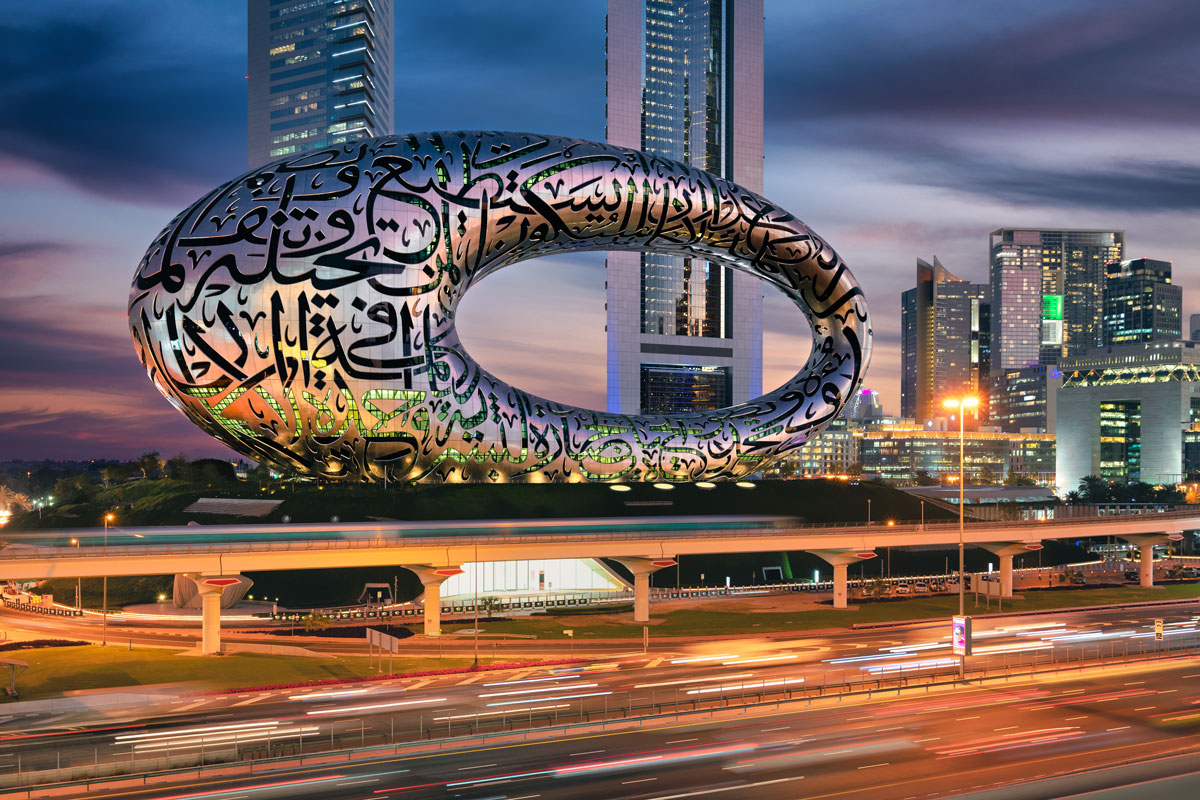
Museum of the Future (Killa Design) – A futuristic landmark.
B. Why Dubai Prefers Star Architects
1. Global Recognition & Branding
-
Star architects bring instant prestige, attracting media and tourists.
-
Their involvement signals ambition and luxury, aligning with Dubai’s brand.
2. Innovative Engineering & Unmatched Expertise
-
Complex projects (e.g., Burj Al Arab) require cutting-edge engineering.
-
Star architects utilize advanced materials and sustainable techniques.
3. Economic Benefits & Tourism Boost
-
Iconic structures drive tourism revenue (e.g., Burj Khalifa attracts millions).
-
High-profile projects attract foreign investors and businesses.
4. Competitive Edge Over Other Global Cities
-
Competing with cities like Singapore and New York requires bold designs.
-
Unique architecture helps Dubai stand out in a crowded market.
C. The Role of Star Architects in Dubai’s Vision
1. Supporting Dubai’s 2040 Urban Master Plan
-
The plan emphasizes sustainability and smart cities.
-
Architects like Foster + Partners integrate eco-friendly designs.
2. Enhancing Cultural & Artistic Value
-
Projects like the Louvre Abu Dhabi (Jean Nouvel) blend art and architecture.
-
Star architects create landmarks that symbolize progress.
3. Attracting High-Net-Worth Individuals (HNWIs)
-
Luxury real estate (e.g., Palm Jumeirah villas) appeals to elite buyers.
-
Prestigious designs increase property value and exclusivity.
D. Challenges & Criticisms
1. High Costs & Budget Overruns
-
Hiring star architects is expensive (e.g., Zaha Hadid’s fees).
-
Some projects face delays and budget issues (e.g., The Opus).
2. Over-Reliance on Foreign Talent
-
Critics argue Dubai should invest more in local architects.
-
However, the lack of homegrown star architects remains a hurdle.
3. Sustainability Concerns
-
Some designs prioritize aesthetics over energy efficiency.
-
Newer projects (e.g., Expo 2020 pavilions) focus more on green building.

E. Case Studies of Iconic Projects
1. Burj Khalifa – Redefining Skyscrapers
-
Designed by Skidmore, Owings & Merrill (SOM).
-
Uses a buttressed core system for stability.
-
Generates $1 billion annually in tourism revenue.
2. The Dubai Frame – A Symbolic Landmark
-
Designed by Fernando Donis.
-
Controversy arose over design credit disputes.
-
Now a top tourist attraction.
3. One Za’abeel – Engineering Brilliance
-
Features the world’s longest cantilever.
-
Designed by Nikken Sekkei.
F. The Future of Architecture in Dubai
1. Upcoming Mega-Projects
-
Meydan One Mall (Set to break records).
-
Dubai Creek Tower (Aims to surpass Burj Khalifa).
2. Shift Toward Sustainable Design
-
More solar-integrated buildings.
-
Focus on LEED-certified constructions.
3. Growing Opportunities for Local Talent
-
Initiatives like Dubai Design District (d3) nurture Emirati architects.
-
Universities now offer specialized architecture programs.
Conclusion
Dubai’s reliance on star architects stems from its ambition to lead in innovation, tourism, and global branding. While challenges like high costs and sustainability persist, the economic and cultural benefits justify the strategy. As the city evolves, expect even more breathtaking designs that redefine modern architecture.
Tags: Dubai architecture, star architects, Burj Khalifa, sustainable design, luxury real estate, urban development, tourism growth, iconic landmarks, global branding, futuristic cities