





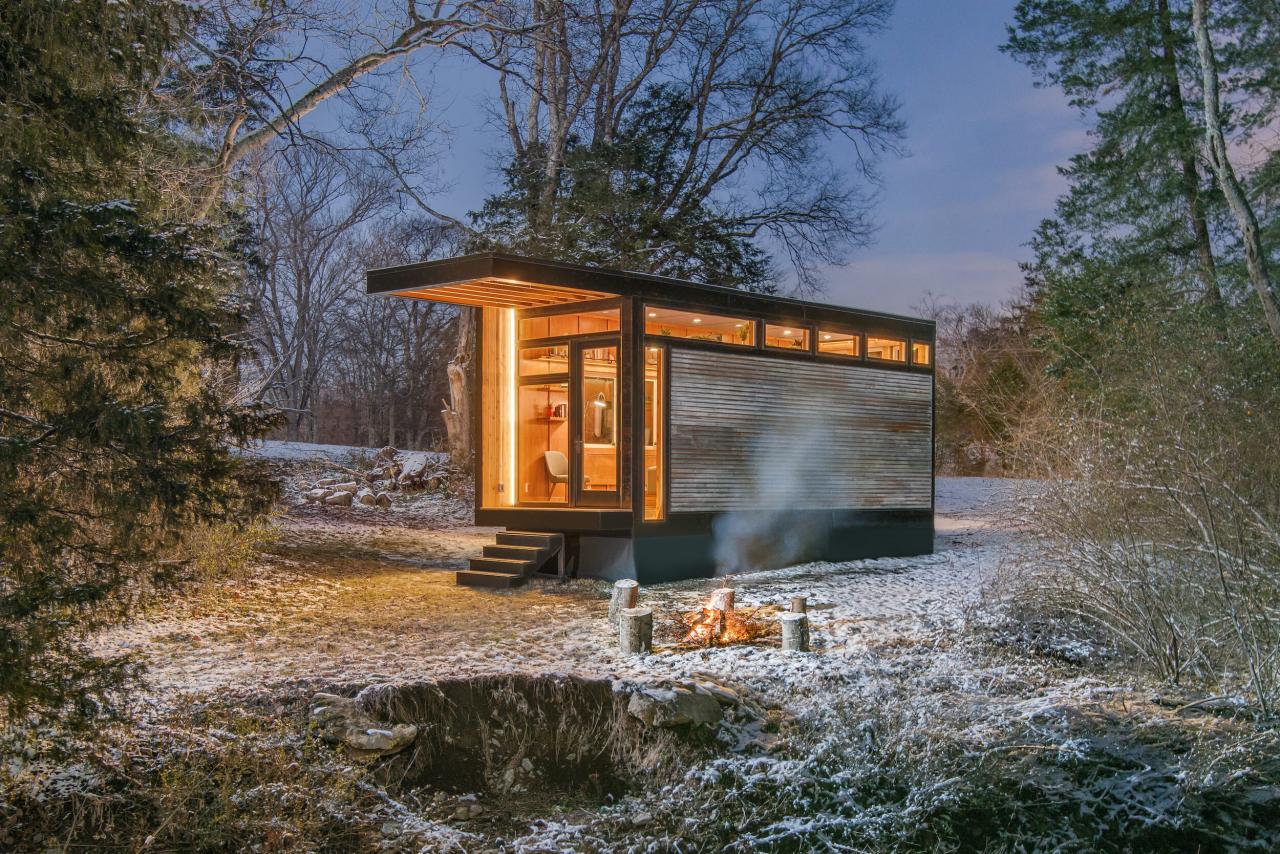
The tiny house movement has revolutionized modern living by proving that less can indeed be more. These compact dwellings, typically under 400 square feet, present unique design challenges that require innovative solutions. This comprehensive guide explores the creative strategies architects and homeowners use to maximize functionality, comfort, and style in tiny homes while overcoming spatial limitations.

A. Why Tiny Homes? Understanding the Appeal
-
Financial Freedom
-
Lower construction costs (average 30,000−60,000)
-
Reduced utility bills and maintenance expenses
-
-
Minimalist Lifestyle
-
Forces intentional living with only essential possessions
-
Less clutter, more mental clarity
-
-
Environmental Benefits
-
Smaller carbon footprint
-
Energy-efficient designs
-
-
Mobility & Flexibility
-
Many tiny homes are built on wheels for relocation
-
B. Major Design Challenges in Tiny Homes
1. Space Optimization
Problems:
-
Limited square footage for living, storage, and utilities
-
Multi-functional requirements for each area
Solutions:
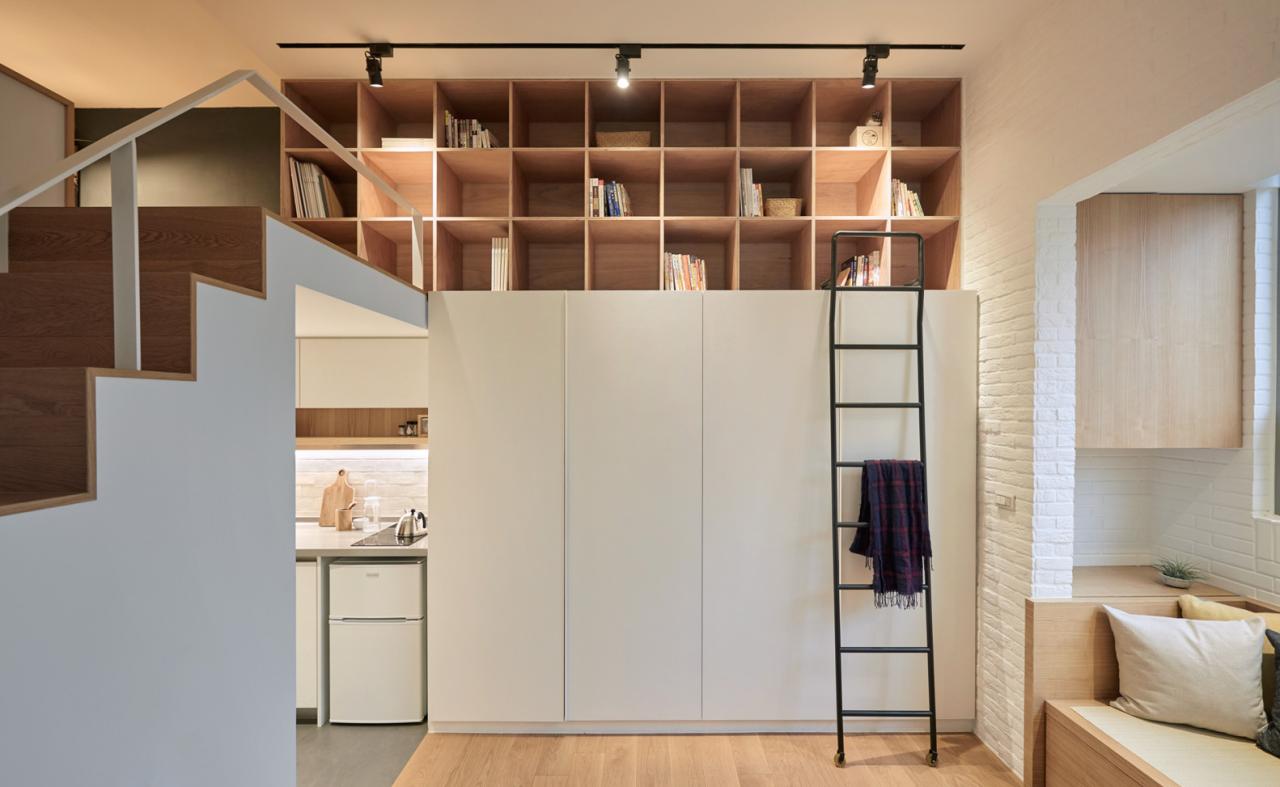
A. Vertical Space Utilization
-
Loft bedrooms
-
Floor-to-ceiling shelving
-
Wall-mounted foldable furniture
B. Transformable Furniture
-
Murphy beds with storage
-
Expandable dining tables
-
Staircase drawers
C. Smart Storage Solutions
-
Under-floor compartments
-
Hidden cabinets behind walls
-
Staircase bookshelves
2. Zoning & Layout Efficiency
Problems:
-
Creating distinct living areas without walls
-
Ensuring smooth traffic flow
Solutions:
A. Open Floor Plans
-
Strategic furniture placement as room dividers
-
Visual separation using different flooring materials
B. Multi-Purpose Zones
-
Kitchen islands doubling as workspaces
-
Living room sofas converting into guest beds
3. Heating, Cooling & Insulation
Problems:
-
Small spaces heat up/cool down quickly
-
Limited space for HVAC systems
Solutions:
A. Energy-Efficient Materials
-
Spray foam insulation
-
Double-paned windows
B. Alternative Heating/Cooling
-
Mini-split systems
-
Wood stoves (with proper ventilation)
4. Plumbing & Electrical Systems
Problems:
-
Limited space for water tanks and wiring
-
Off-grid vs. on-grid considerations
Solutions:
A. Compact Plumbing Fixtures
-
Tankless water heaters
-
Composting toilets
B. Solar Power Integration
-
Roof-mounted panels
-
Battery storage systems
C. Creative Tiny Home Design Inspirations
1. Shipping Container Homes
-
Durable, modular, and cost-effective
-
Challenges: Insulation and rust prevention
2. Treehouse Tiny Homes
-
Elevated designs for scenic views
-
Structural support considerations
3. Floating Tiny Houses
-
Built on pontoons for waterfront living
-
Waterproofing and stability solutions
4. Convertible Micro-Apartments
-
Popular in urban areas
-
Sliding walls and adjustable furniture
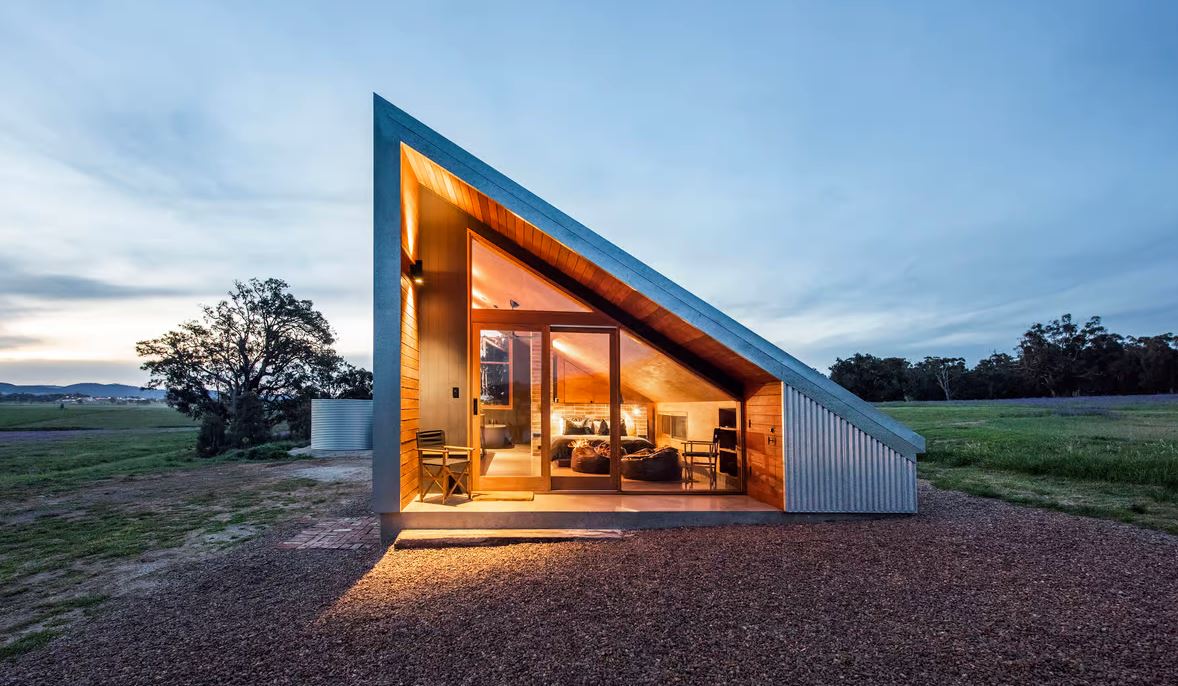
D. Legal & Practical Considerations
1. Zoning Laws & Building Codes
-
Many areas restrict tiny homes (minimum square footage rules)
-
RV parks vs. permanent foundations
2. Financing & Insurance
-
Difficulties in securing traditional mortgages
-
Specialized tiny home insurance policies
3. Resale Value & Market Trends
-
Growing demand but limited buyer pool
-
Custom designs may not appeal to everyone

E. The Future of Tiny Home Design
-
Smart Home Integration
-
Voice-controlled lighting, security, and climate systems
-
-
3D-Printed Tiny Homes
-
Faster, cheaper construction
-
-
Sustainable Materials
-
Recycled and biodegradable options
-
Conclusion
Tiny homes prove that innovative design can overcome even the most challenging spatial limitations. By prioritizing functionality, sustainability, and creativity, homeowners can enjoy a comfortable, stylish, and efficient living space—no matter how small.
Tags: tiny house design, small space solutions, minimalist living, micro homes, sustainable housing, space-saving furniture, compact living, off-grid homes, creative architecture, DIY tiny homes