





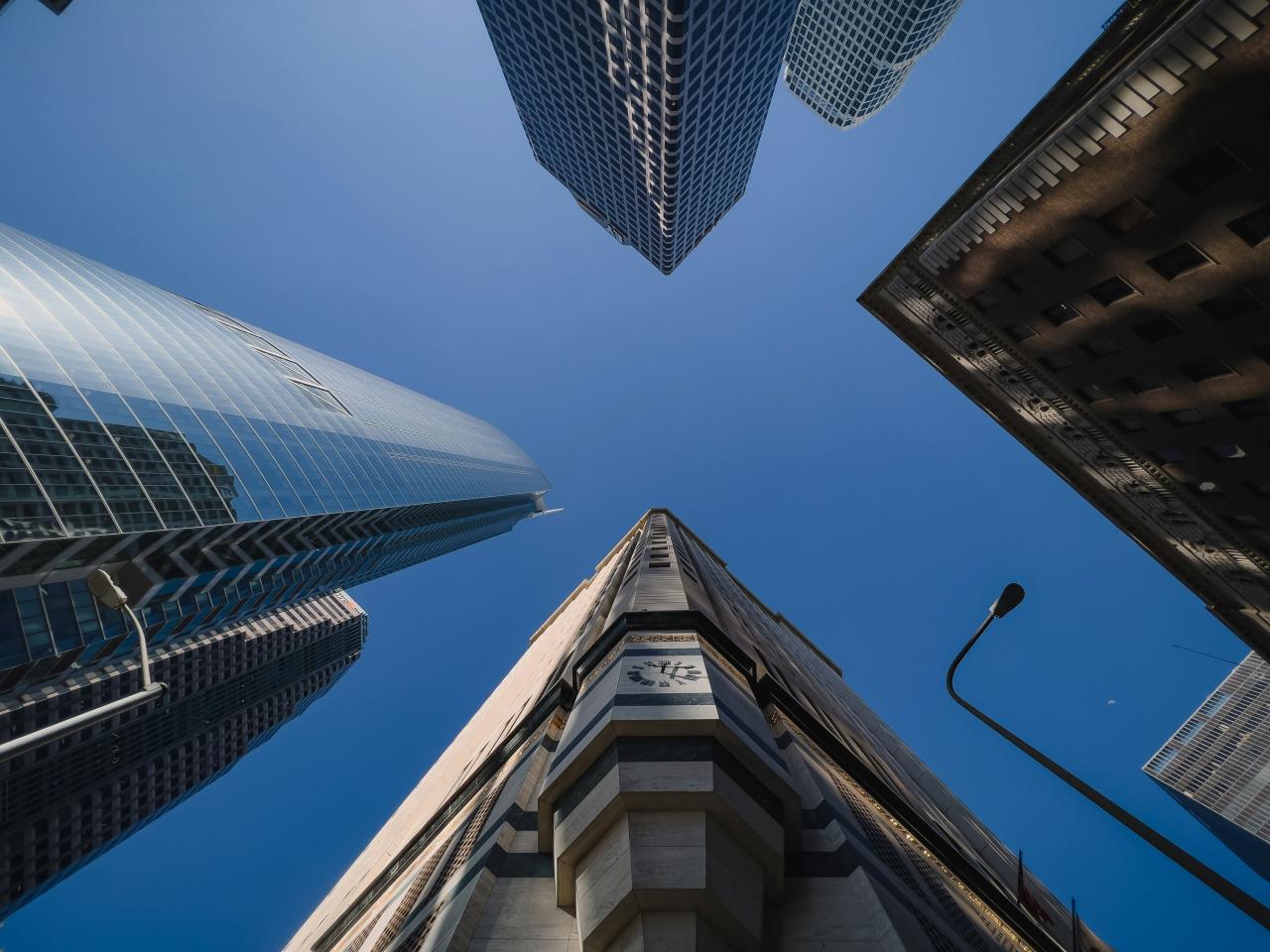
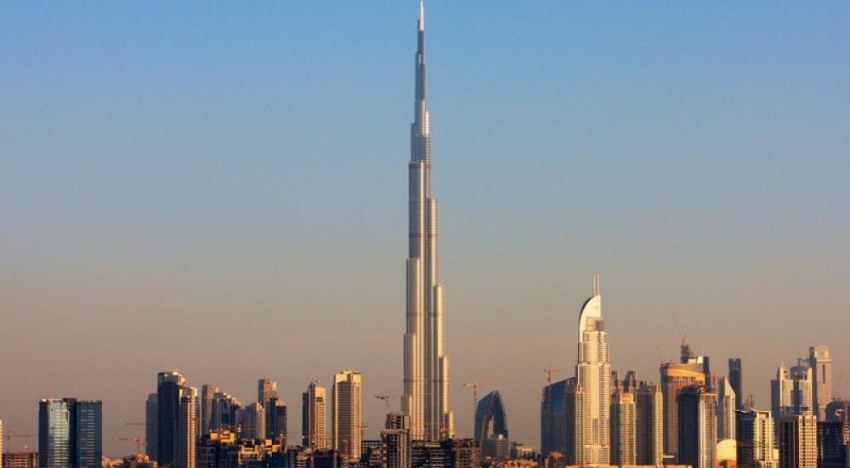
Modern cities continue to reach new heights—literally. Skyscrapers are breaking records every year, with architectural marvels like the Burj Khalifa (828m) soon to be surpassed by Dubai Creek Tower (1,300m). But what’s driving this relentless vertical race?

This 2,500-word investigation reveals the economic, technological, and psychological factors pushing buildings ever upward, along with the surprising consequences of this global phenomenon.
A. The Economic Forces Driving Height
1. Sky-High Land Values
- Tokyo’s Chiyoda ward: $48,000 per sqm
- Manhattan’s Midtown: $30,000 per sqm premium for height
- Vertical expansion as the only solution in dense urban cores
2. Corporate Ego and Branding
- 78% of Fortune 500 companies occupy signature towers
- Height = Prestige equation in global business culture
- Case study: Salesforce Tower’s naming rights deal
3. Tourism and Observation Decks
- Empire State Building: $130M annual revenue from visitors
- “Supertall” buildings averaging 1.2M visitors yearly
- The economics of “world’s highest” attractions
B. Technological Breakthroughs Enabling Height
1. Material Science Revolution
- Ultra-high-performance concrete (200MPa strength)
- Carbon fiber reinforcement in elevator cables
- 3D-printed structural components
2. Vertical Transportation Advances
- Twin elevator systems with sky lobbies
- MULTI system (Thyssenkrupp): First rope-less, horizontal-capable elevators
- AI-powered traffic optimization reducing wait times
3. Wind and Seismic Engineering
- Tuned mass dampers the size of swimming pools
- Aerodynamic shaping reducing wind loads by 40%
- Base isolation systems for earthquake zones
C. The Psychological Impact of Height
1. The “Cathedral Effect” in Modern Cities
- Human attraction to monumental structures
- Skyline recognition and civic pride
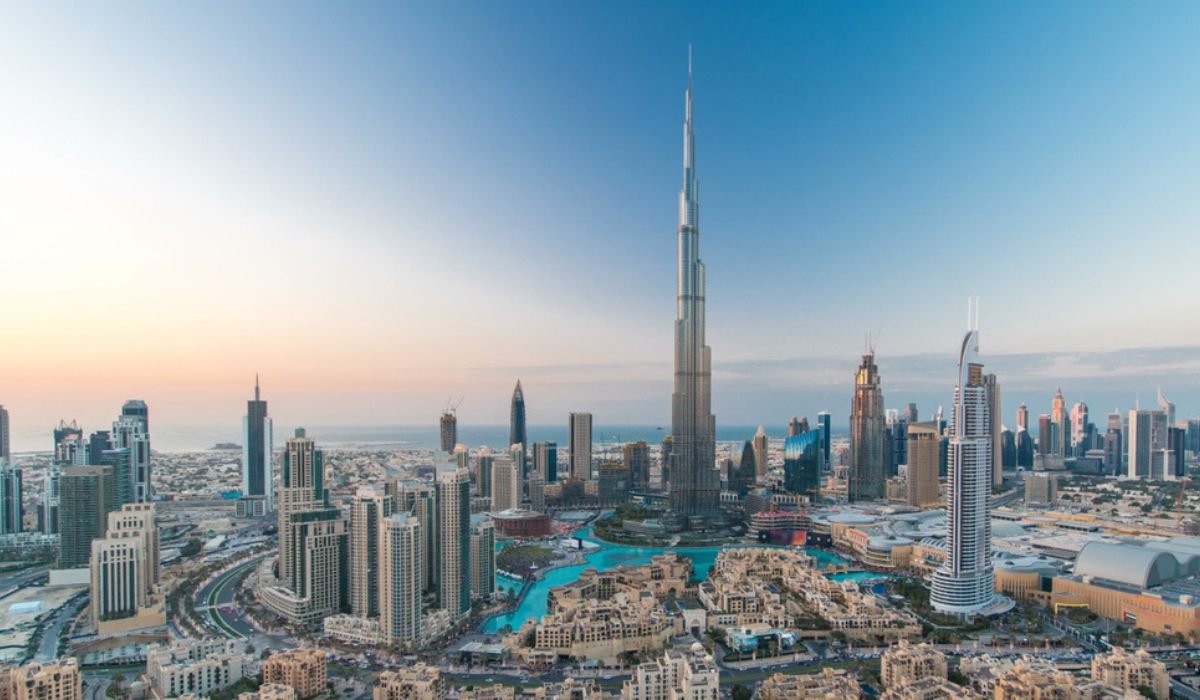
- Dubai’s transformation through vertical landmarks
2. Penthouse Premium Phenomenon
- 300% price differential per square foot (ground vs. top floors)
- Celebrity purchases shaping market expectations
- The psychology of “above it all” living
3. Vertical Social Stratification
- Floor-by-floor hierarchy in corporate towers
- Service staff vs. executive floor realities
- The “glass ceiling” made literal
D. Environmental Paradox of Supertalls
| Challenge | Innovative Solution | Example Project |
|---|---|---|
| Energy Use | Integrated wind turbines | Pearl River Tower |
| Water Pressure | Cloud-burst water recycling | Shanghai Tower |
| Urban Canyon Effect | Reflective façades redirecting sunlight | London’s 22 Bishopsgate |
E. The Future: How High Can We Go?
1. Proposed Megastructures
- Jeddah Tower (1,008m) completion timeline
- The X-Seed 4000 concept (4km theoretical)
- Orbital elevators: Science fiction or future reality?
2. Economic Limits to Growth
- The 150-floor profitability threshold
- Maintenance costs escalating exponentially
- Insurance challenges for ultra-tall structures
3. Alternative Solutions
- Underground expansion (Tokyo’s “Earthscrapers”)
- Floating cities as an alternative paradigm
- The case for human-scale urbanism