







Modern offices are no longer just physical spaces – they’re powerful psychological tools that influence productivity, collaboration, and employee well-being. The science behind office layouts reveals fascinating connections between spatial design and human behavior, with Fortune 500 companies investing millions to optimize their workspaces.
This 3,200-word comprehensive guide explores the psychological principles behind effective office designs, current trends reshaping workplaces, and evidence-based strategies to create spaces that boost performance and satisfaction.
A. The Science of Spatial Psychology
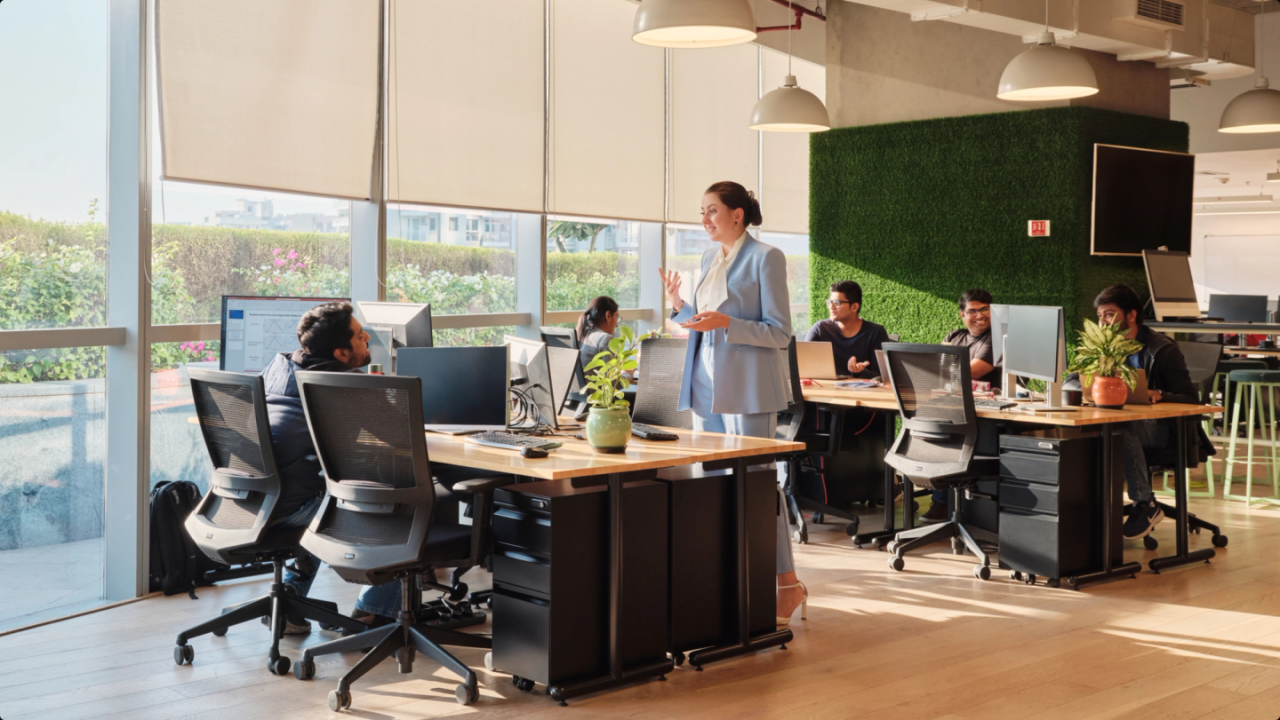 1. How Office Layouts Affect the Brain
- Cognitive Flow: Open spaces vs. enclosed offices impact focus
- Social Triggers: Proximity seating increases collaboration by 57%
- Stress Responses: Poor lighting elevates cortisol levels by 28%
2. Key Psychological Theories in Office Design
| Theory | Application | Effect |
|---|---|---|
| Prospect-Refuge | Varied workspaces | 32% ↑ in comfort |
| Social Density | 100-150 sq ft/person | Optimal interaction |
| Biophilia | Natural elements | 19% ↓ in stress |
3. Personality-Based Design Needs
- Introverts: Soundproof pods (87% report better focus)
- Extroverts: Collaborative hubs (64% prefer open areas)
- Ambiverts: Flexible hot-desking stations
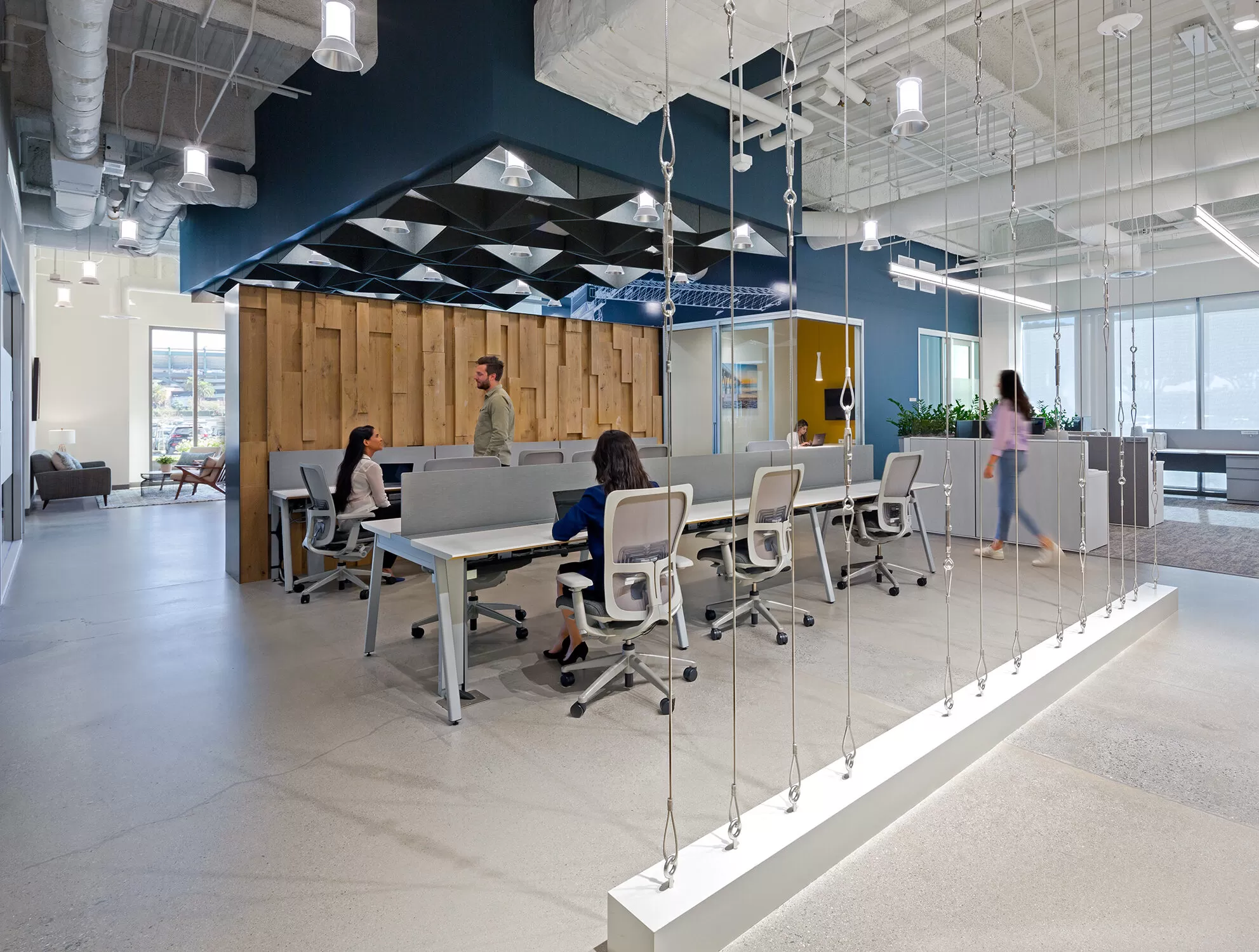 B. Evolution of Office Layouts
1. Historical Workplace Designs
- 1950s: Hierarchical cubicle farms
- 1990s: Dilbert-style cubicles
- 2010s: Activity-based working
2. Current Layout Trends
- Hybrid Neighborhoods: Team-based zones
- Agile Workspaces: Reconfigurable furniture
- Resimercial Design: Home-like comforts
3. Tech’s Impact on Spatial Needs
- Video call-friendly booths
- Wireless charging stations
- VR collaboration spaces
C. Psychology-Backed Layout Strategies
1. Productivity Boosters
- A. 3:1 ratio of collaborative to focus spaces
- B. Window access for all employees
- C. Right-angled desk arrangements
2. Social Connection Enhancers
- A. Central “water cooler” zones
- B. Serendipitous pathway designs
- C. Mixed-department seating
3. Wellbeing Considerations
- A. Ergonomic “movement” furniture
- B. Circadian lighting systems
- C. Quiet restoration rooms
D. Industry-Specific Layout Solutions
| Industry | Optimal Layout | Psychological Benefit |
|---|---|---|
| Tech | Open plan with focus pods | Encourages innovation |
| Finance | Soundproof offices | Security and precision |
| Creative | Lounge-style areas | Stimulates ideas |
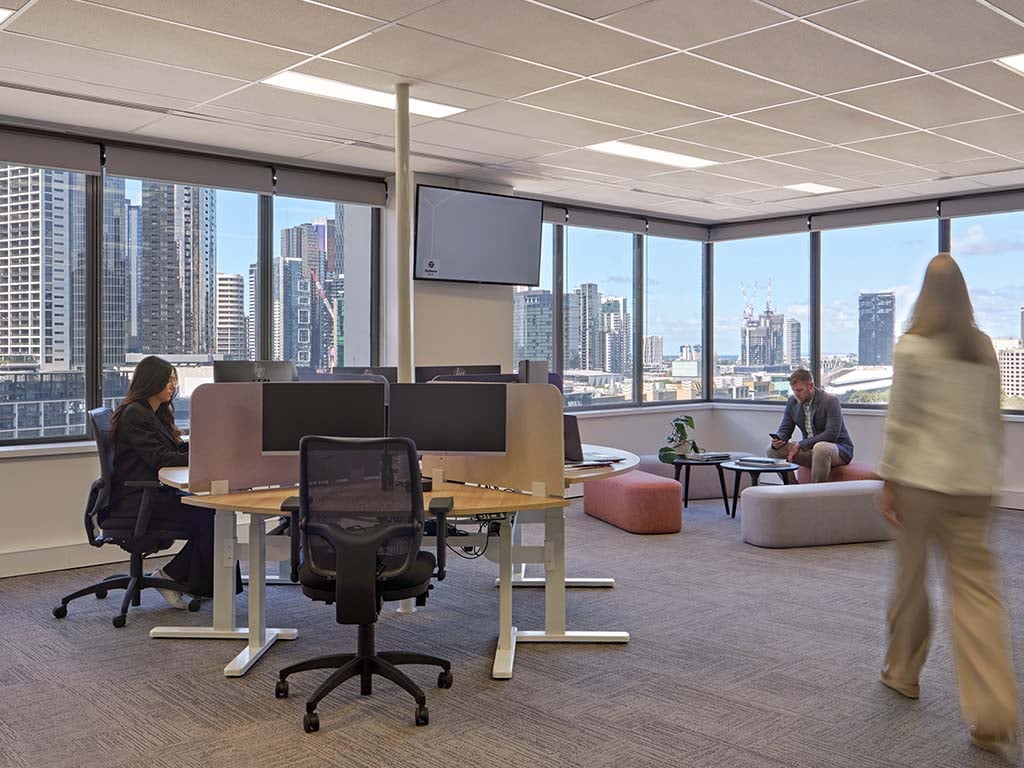 E. Measuring Layout Effectiveness
1. Employee Feedback Methods
- Wearable stress monitors
- Space utilization sensors
- Monthly satisfaction surveys
2. Performance Metrics
- Focus time measurements
- Collaboration frequency
- Sick day reduction
3. ROI Calculation
- Productivity gains vs. redesign costs
- Retention improvement values
- Recruitment advantages
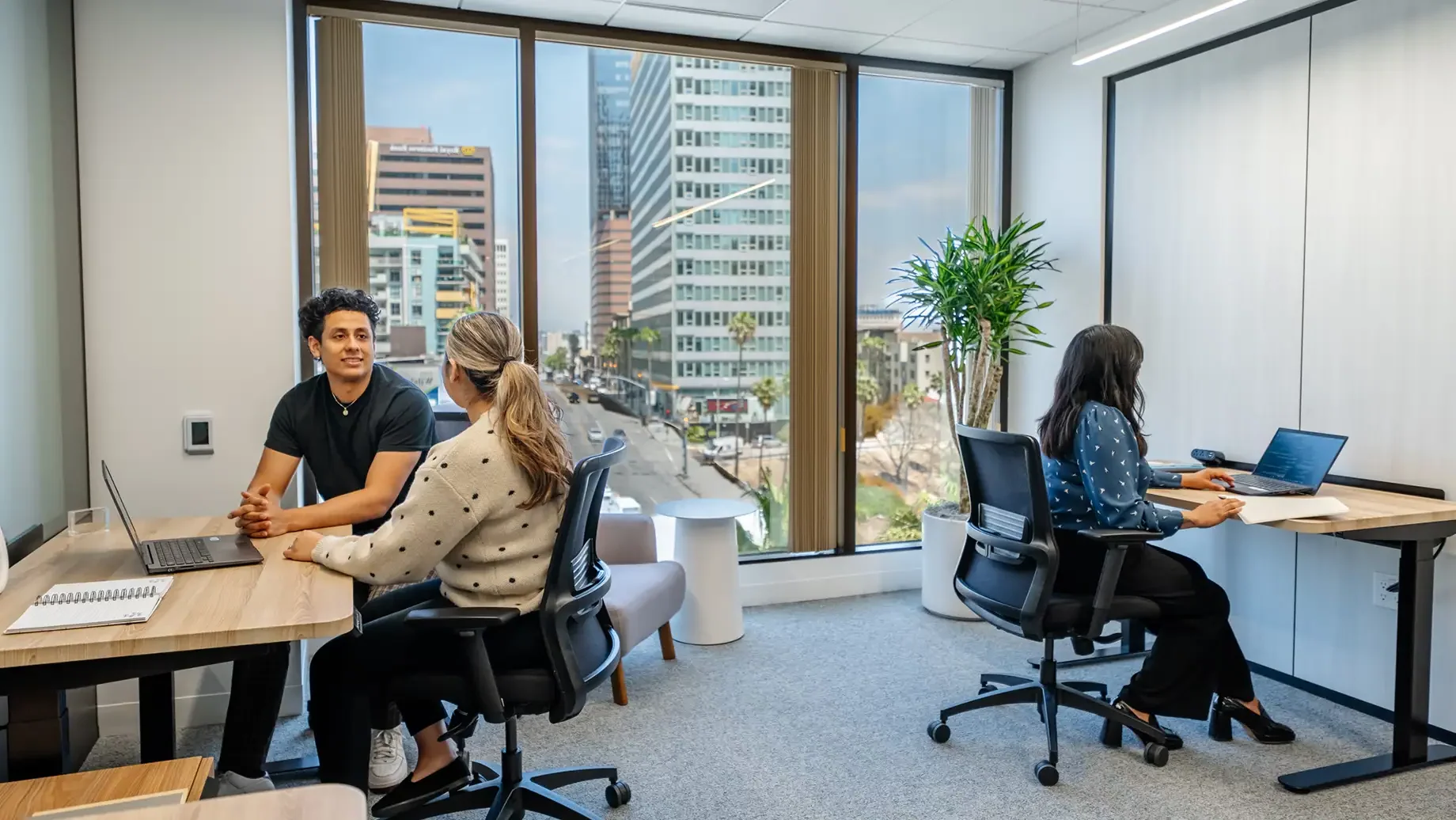 F. Future of Workplace Psychology
1. Neuroarchitecture Developments
- EEG-based space optimization
- Scent diffusion systems
- Emotion-responsive lighting
2. Post-Pandemic Adaptations
- Pathogen-resistant materials
- Social distancing algorithms
- Touchless technology integration
3. AI-Designed Workspaces
- Machine learning layout generators
- Real-time space reconfiguration
- Predictive analytics for needs
Tags: office psychology, workplace design, office layout, workspace optimization, environmental psychology, organizational behavior, office ergonomics, productivity design, commercial interiors, work environment
Category: Workplace Psychology