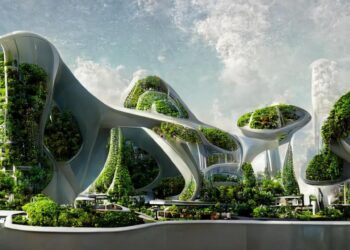







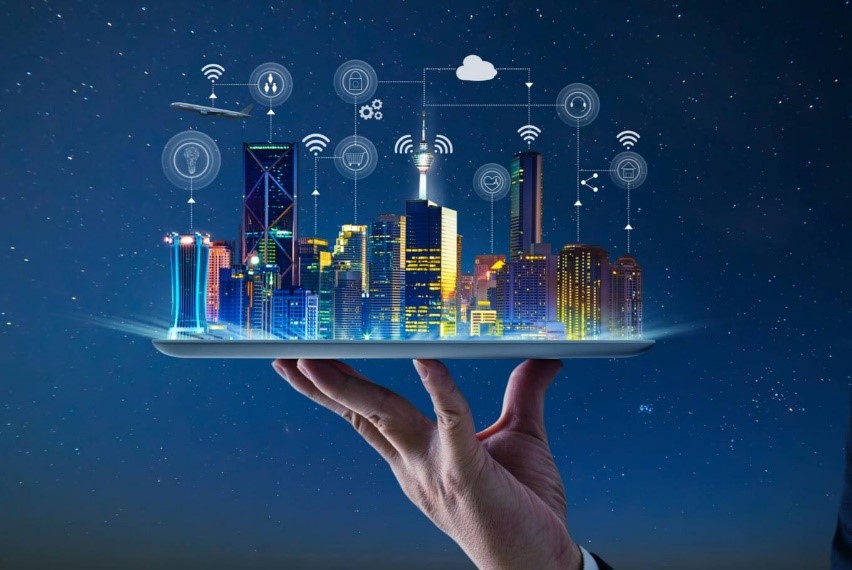

Urban living is undergoing a dramatic transformation due to technological advancements, sustainability demands, and changing lifestyles. As cities grow denser, architects, engineers, and urban planners are reimagining living spaces to be smarter, greener, and more efficient. This article explores the future of urban living spaces, focusing on innovative designs, smart technologies, and sustainable solutions that will shape tomorrow’s cities.
A. The Rise of Smart Cities & Connected Living
Smart cities leverage technology to improve infrastructure, energy efficiency, and quality of life. Key elements include:
-
IoT-Enabled Homes – Appliances, lighting, and security systems connected via the Internet of Things (IoT).
-
AI-Powered Automation – Smart thermostats, voice assistants, and predictive maintenance.
-
5G & High-Speed Connectivity – Faster internet enables seamless smart home integration.
-
Urban Mobility Integration – Proximity to public transit, bike-sharing, and EV charging stations.
B. Sustainable & Eco-Friendly Urban Housing
With climate change concerns, future urban spaces must prioritize sustainability:
1. Green Building Materials
A. Cross-Laminated Timber (CLT) – A strong, renewable alternative to steel and concrete.
B. Recycled & Low-Carbon Materials – Reduces construction emissions.
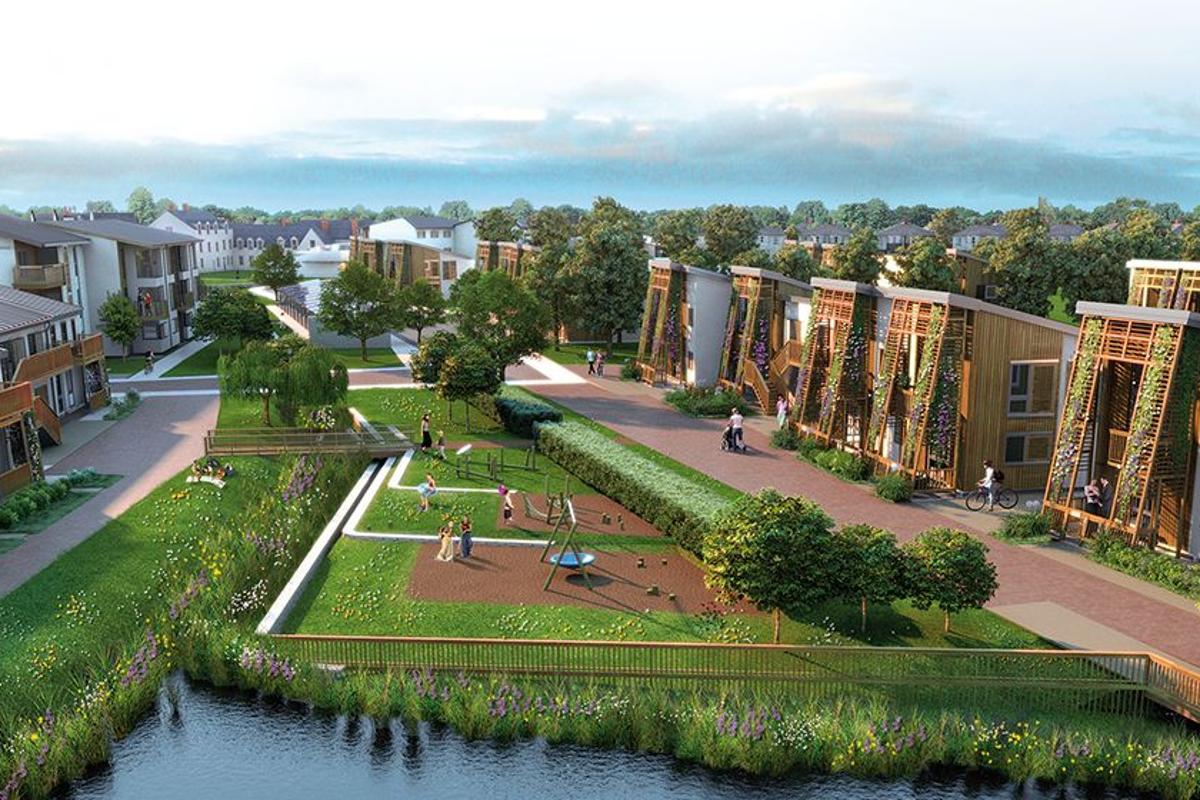
C. Living Walls & Rooftop Gardens – Improves air quality and insulation.
2. Energy Efficiency Innovations
A. Solar-Powered Buildings – Integrated photovoltaic panels.
B. Passive House Design – Maximizes natural heating and cooling.
C. Smart Grids & Energy Storage – Balances power demand efficiently.
3. Water Conservation Systems
A. Greywater Recycling – Reuses water from sinks/showers for irrigation.
B. Rainwater Harvesting – Collects and filters rainwater for non-potable uses.

C. The Shift Toward Compact & Modular Living
As urban space becomes scarce, innovative housing solutions emerge:
-
Micro-Apartments & Tiny Homes – Efficient use of small spaces with multifunctional furniture.
-
Modular & Prefabricated Housing – Quick assembly, cost-effective, and customizable.
-
Co-Living Spaces – Shared amenities foster community while reducing costs.
D. The Role of AI & Robotics in Urban Living
Artificial intelligence and automation will redefine urban homes:
-
AI Home Assistants – Manages schedules, energy use, and security.
-
Robotic Cleaning & Maintenance – Automated vacuums and repair bots.
-
Predictive Maintenance – AI detects plumbing or electrical issues before they escalate.
E. Health & Wellness-Oriented Design
Future urban spaces will prioritize mental and physical well-being:
-
Biophilic Design – Incorporates natural elements (plants, natural light) to reduce stress.
-
Air Purification Systems – Advanced filtration for cleaner indoor air.
-
Noise-Reduction Technology – Soundproof materials for quieter living.
F. Challenges in Future Urban Living
Despite advancements, several hurdles remain:
-
High Costs of Smart Technology – Affordability for average residents.
-
Privacy & Cybersecurity Risks – Data protection in IoT-connected homes.
-
Urban Overcrowding – Balancing density with livability.
G. The Future Outlook: What to Expect by 2050
Experts predict:
-
Fully Autonomous Smart Homes – Self-regulating energy, security, and maintenance.
-
Vertical Cities – Skyscrapers with residential, commercial, and green spaces.
-
Carbon-Neutral Housing – Net-zero emissions buildings becoming standard.
Conclusion
The future of urban living spaces lies in sustainability, smart technology, and efficient design. As cities evolve, integrating eco-friendly materials, AI-driven automation, and wellness-focused architecture will be crucial. By embracing these innovations, urban dwellers can enjoy a higher quality of life while reducing environmental impact.
Tags: smart cities, urban living, sustainable housing, future homes, IoT technology, green architecture, modular homes, AI in real estate, eco-friendly design, urban planning