







The fusion of cutting-edge technology and elegant design is revolutionizing modern homes. Smart homes are no longer just about convenience—they represent a seamless integration of automation, sustainability, and aesthetics that enhances daily living.
This 2,500+ word guide explores the latest innovations in smart home technology, how they blend with interior design, and why they’re becoming essential in contemporary architecture.
A. The Evolution of Smart Home Technology
1. From Basic Automation to AI Integration
- Early systems (1990s-2000s): Programmable thermostats, motion lights
- Current innovations: Voice assistants, predictive AI, self-learning systems
- Future outlook: Emotion-sensing AI, fully autonomous homes
2. Key Components of Modern Smart Homes
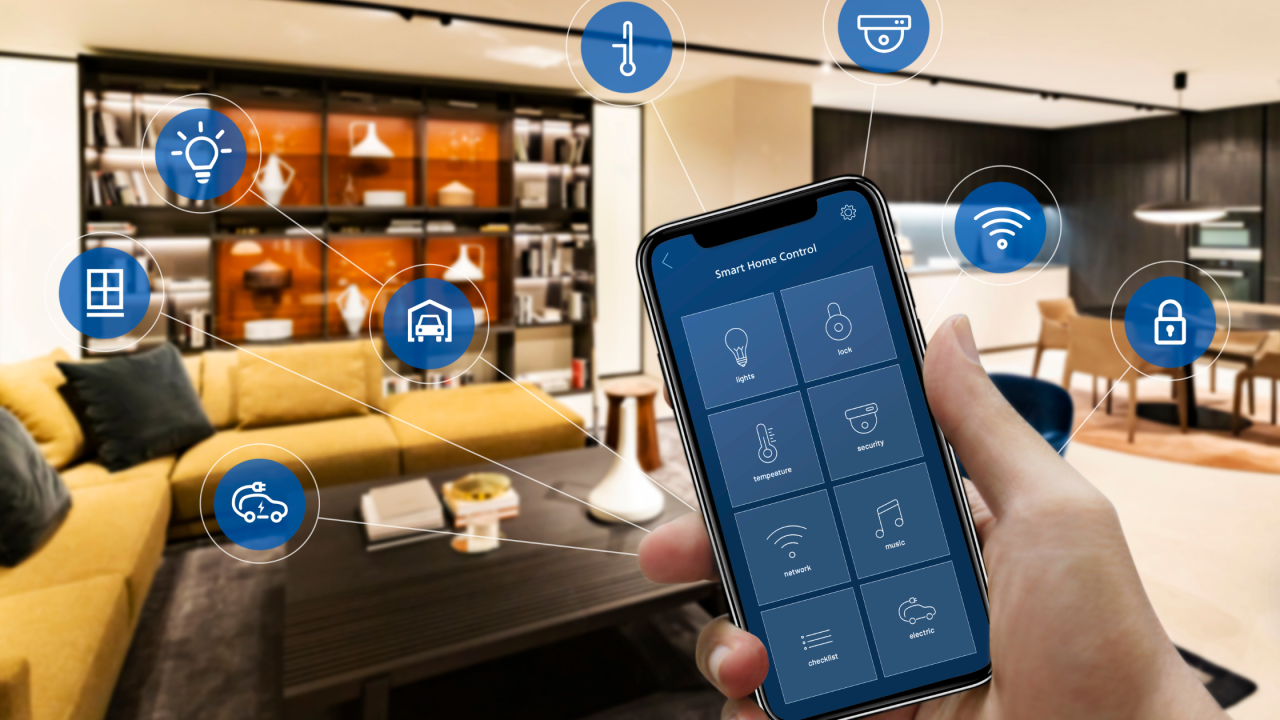
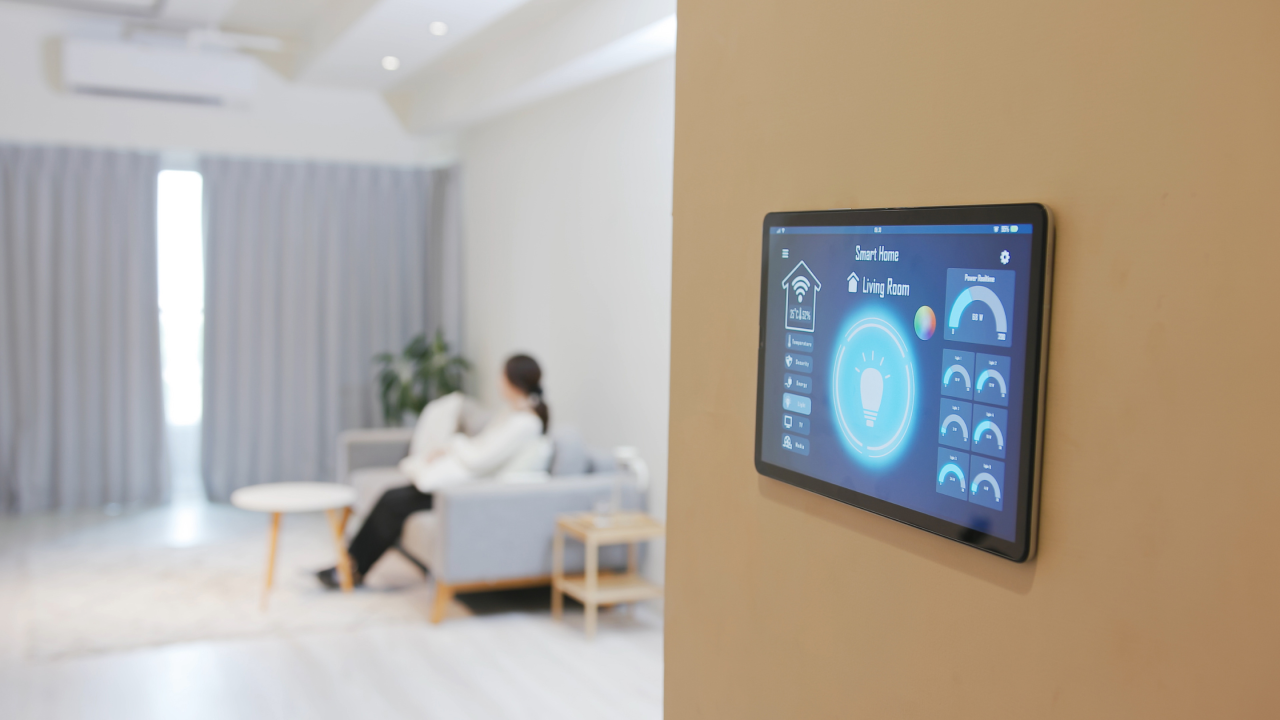
- Centralized control hubs (Google Home, Apple HomeKit, Amazon Alexa)
- Wireless protocols (Zigbee, Z-Wave, Matter) ensuring compatibility
- Cloud-based remote access and automation
3. The Growing Market Demand
- 57% annual growth in smart home adoption since 2020
- Projected $400 billion market value by 2027
- Most popular systems by region (North America vs. Asia vs. Europe)
B. Seamless Tech Integration in Home Design
1. Invisible Technology Trends
- Hidden speakers with beamforming audio
- Disappearing TVs (Samsung Frame, LG OLED R)
- Camouflaged charging stations
2. Smart Materials Redefining Spaces
- Electrochromic glass (adjustable opacity)
- Self-cleaning nanocoatings
- Temperature-regulating wall panels
3. Lighting That Adapts to You
- Circadian rhythm synchronization
- AI-powered mood lighting
- Architectural lighting as design element
C. Room-by-Room Smart Solutions
| Space | Tech Features | Design Considerations |
|---|---|---|
| Kitchen | Smart fridges with cameras, voice-controlled appliances | Hidden panel controls, integrated charging |
| Bathroom | Digital showers, smart mirrors with AR | Waterproofing, minimalist interfaces |
| Bedroom | Sleep tracking systems, climate zones | Concealed wiring, calming tech |
| Living Room | Immersive entertainment walls | Cable management, flexible layouts |
D. The Sustainability Advantage
1. Energy Management Systems
- Real-time usage monitoring
- Automated peak demand reduction
- Solar integration with battery storage
2. Water Conservation Tech
- Smart irrigation with weather adaptation
- Leak detection systems
- Greywater recycling automation
3. Healthy Home Innovations
- Air quality monitoring and purification
- Antimicrobial smart surfaces
- Natural light optimization
E. Overcoming Smart Home Challenges
1. Privacy and Security Concerns
- Encryption standards comparison
- Local vs. cloud processing options
- Physical cutoff switches
2. Design Integration Hurdles
- Working with architects early in planning
- Custom solutions for historic homes
- Retrofitting vs. new construction
3. Cost vs. Value Analysis
- ROI on popular smart features
- Prioritizing upgrades by lifestyle
- Long-term maintenance considerations
F. Future Trends to Watch
1. The Rise of Robotic Assistants
- Samsung Bot Handy demonstrations
- Robotic furniture reconfiguration
2. Holographic Interfaces
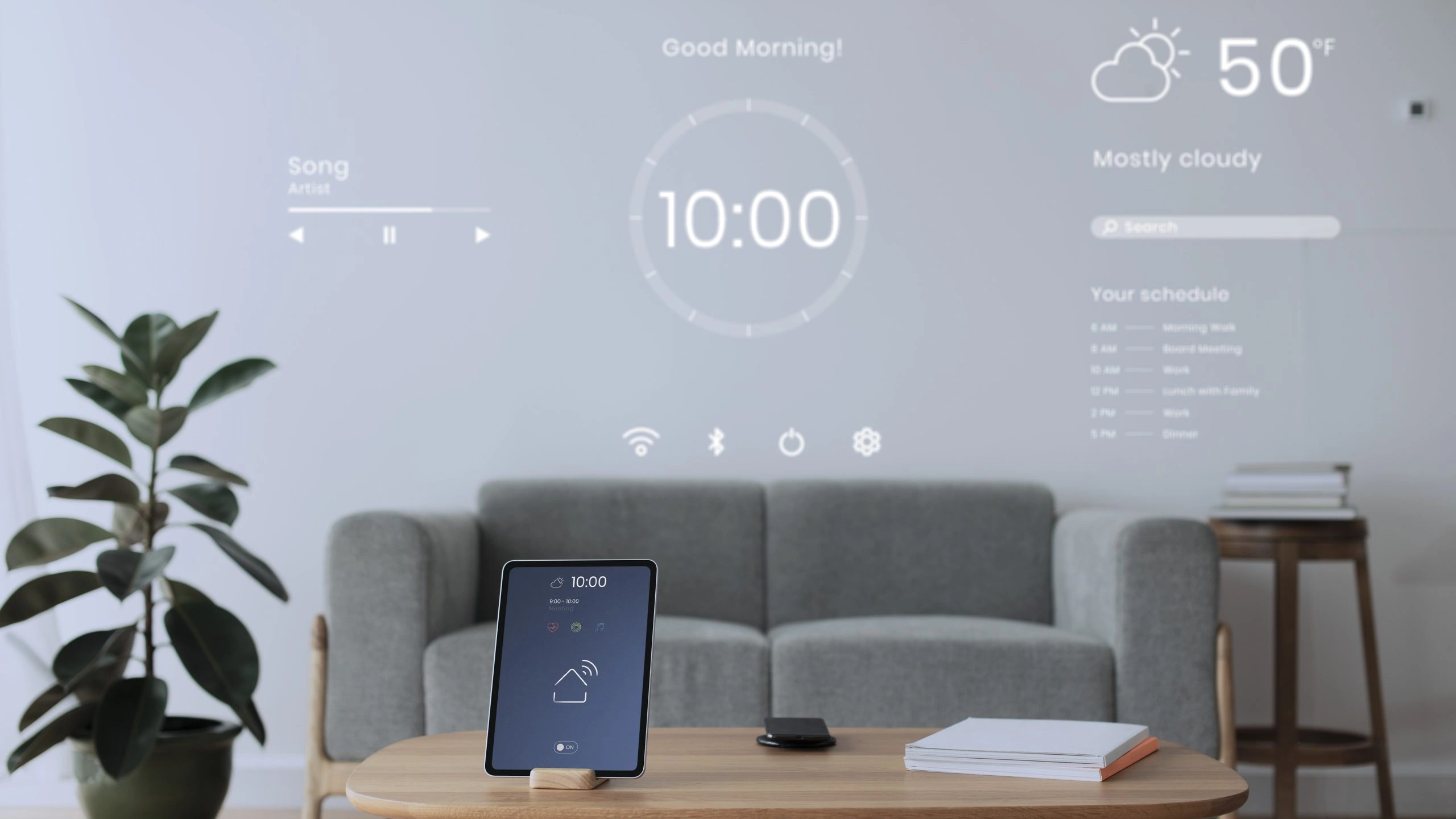
- Projection-based control systems
- Virtual decor changing
3. Biometric Home Adaptation
- Facial recognition entry
- Health monitoring through home sensors