





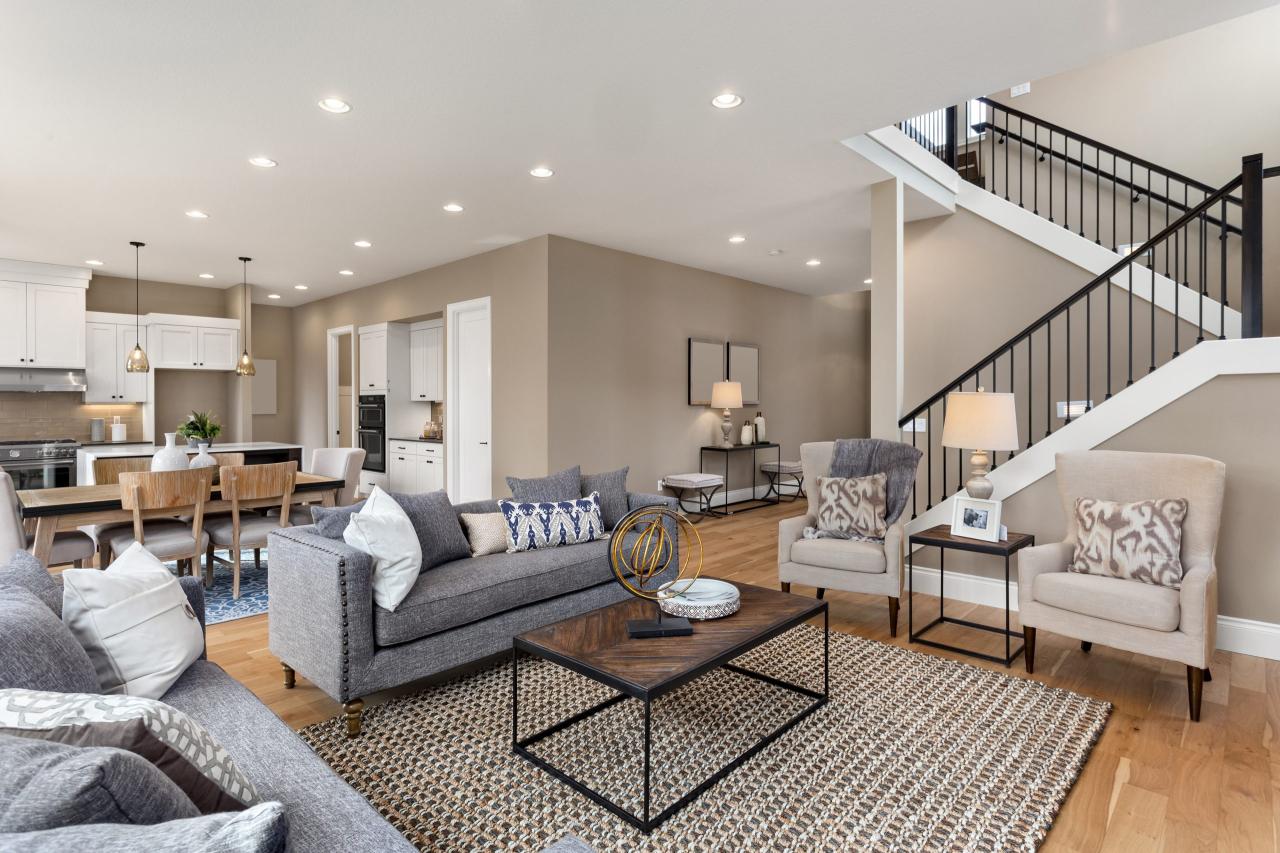

The open floor plan has become the gold standard in modern home design, dominating real estate listings and buyer preferences. This architectural approach—which eliminates walls between key living spaces—has transformed how we live, entertain, and interact in our homes.
This 3,000-word guide examines why open layouts continue to reign supreme, exploring their psychological benefits, financial advantages, and innovative adaptations for contemporary lifestyles.
A. The Rise of Open Concept Living
1. Historical Evolution of Floor Plans
- Early 20th Century: Compartmentalized Victorian layouts
- 1950s-60s: First open concept experiments (Frank Lloyd Wright)
- 1990s-Today: 82% of new constructions feature open designs
2. Current Market Dominance
- Buyer Preference: 76% of millennials demand open layouts
- Resale Value: Homes with open plans sell 15% faster
- Rental Appeal: Commands 12% higher rents
3. Psychological Drivers
- Social Connection: Promotes family interaction
- Perceived Space: Makes small homes feel larger
- Natural Light Optimization: 360° sunlight distribution
 B. Key Benefits of Open Floor Plans
1. Enhanced Social Dynamics
- Entertaining Ease: Hosts can cook while engaging guests
- Child Supervision: Parents maintain sightlines
- Multigenerational Living: Better for aging relatives
2. Financial Advantages
| Factor | Open Plan Benefit |
|---|---|
| Construction Cost | 8-12% savings (fewer walls) |
| Energy Efficiency | 15% HVAC reduction (better airflow) |
| Renovation Potential | Easier future modifications |
3. Design Flexibility
- Furniture Arrangement: Unlimited layout options
- Style Transitions: Seamless decor flow
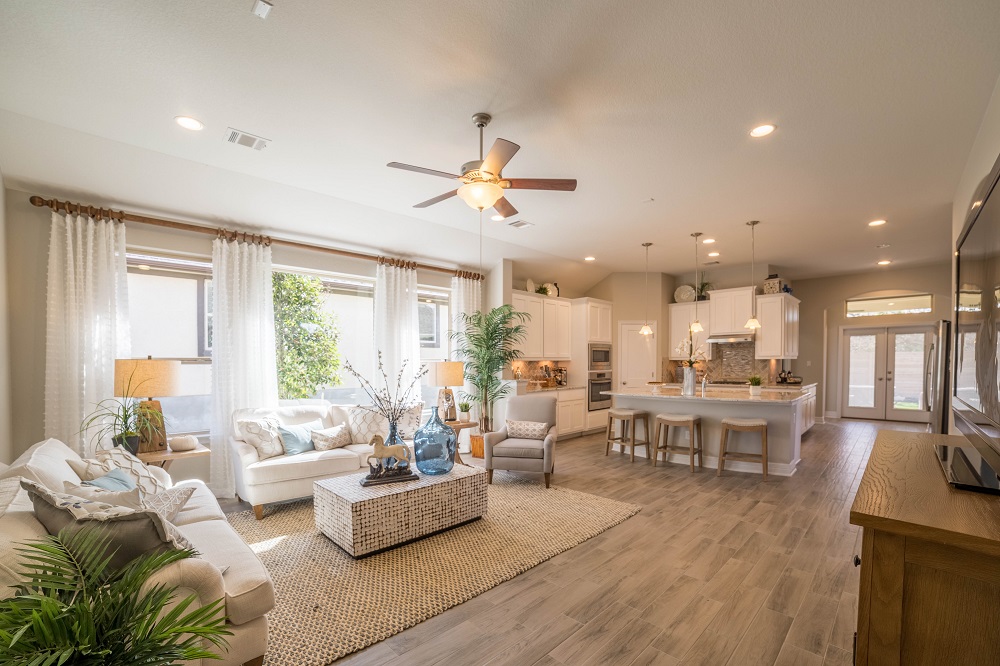
- Zoning Techniques: Rugs/lights define spaces
 C. Innovative Open Concept Adaptations
1. Modern Hybrid Approaches
- Partial Walls: Maintain openness with visual separation
- Glass Partitions: Preserve light flow
- Multi-Level Zones: Sunken living rooms
2. Technology Integration
- Invisible Speakers: Zone-based audio
- Smart Lighting: Virtual room boundaries
- Retractable Screens: Temporary dividers
3. Storage Solutions
- Furniture Walls: Storage as room dividers
- Ceiling-Tall Cabinets: Vertical storage
- Hidden Pantries: Behind kitchen walls
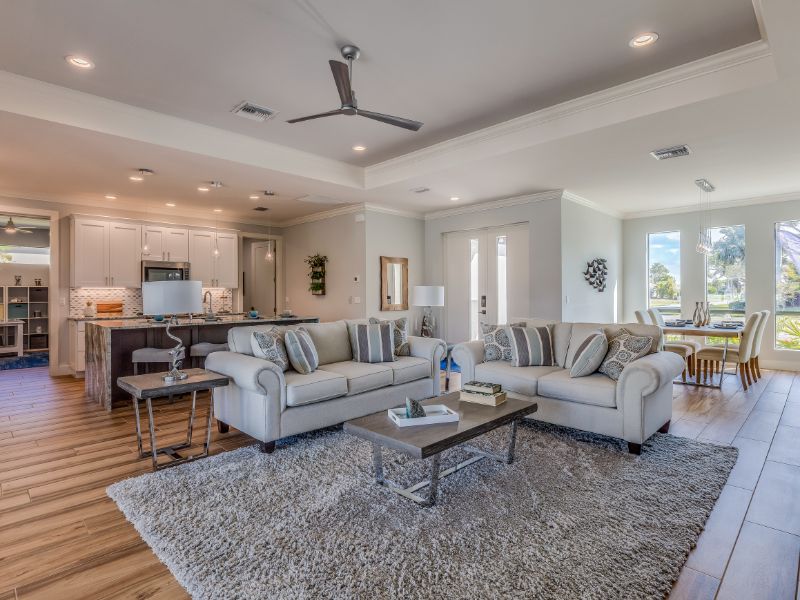 D. Overcoming Open Plan Challenges
1. Noise Control Techniques
- Acoustic Panels: Disguised as art
- Textile Selection: Sound-absorbing fabrics
- Strategic Flooring: Area rugs dampen echoes
2. Cooking Odor Management
- Commercial-Grade Hoods: 900+ CFM systems
- Kitchen Zoning: Strategic appliance placement
- Air Purification: Built-in ionizers
3. Visual Clutter Solutions
- Hidden Storage: Behind sliding panels
- Color Coordination: Unified palettes
- Decluttering Cycles: Monthly edits
E. Global Variations in Open Concept Design
| Region | Unique Interpretation |
|---|---|
| Scandinavia | Minimalist hygge approach |
| Japan | Flexible shōji screens |
| Mediterranean | Indoor-outdoor continuity |
| North America | Great room emphasis |
F. Future Trends in Open Living
1. Post-Pandemic Adaptations
- Flex Work Zones: Integrated office nooks
- Sanitation Considerations: Easy-clean surfaces
2. Smart Home Integration
- AI Space Optimization: Furniture rearrangement suggestions
- Climate Zones: Micro-temperature control
3. Sustainable Materials
- Recycled Glass Partitions
- Plant Walls as Dividers
Tags: open floor plans, home design trends, modern interiors, real estate preferences, residential architecture, space planning, interior design, home layout, living space optimization, housing market trends
Category: Residential Architecture