






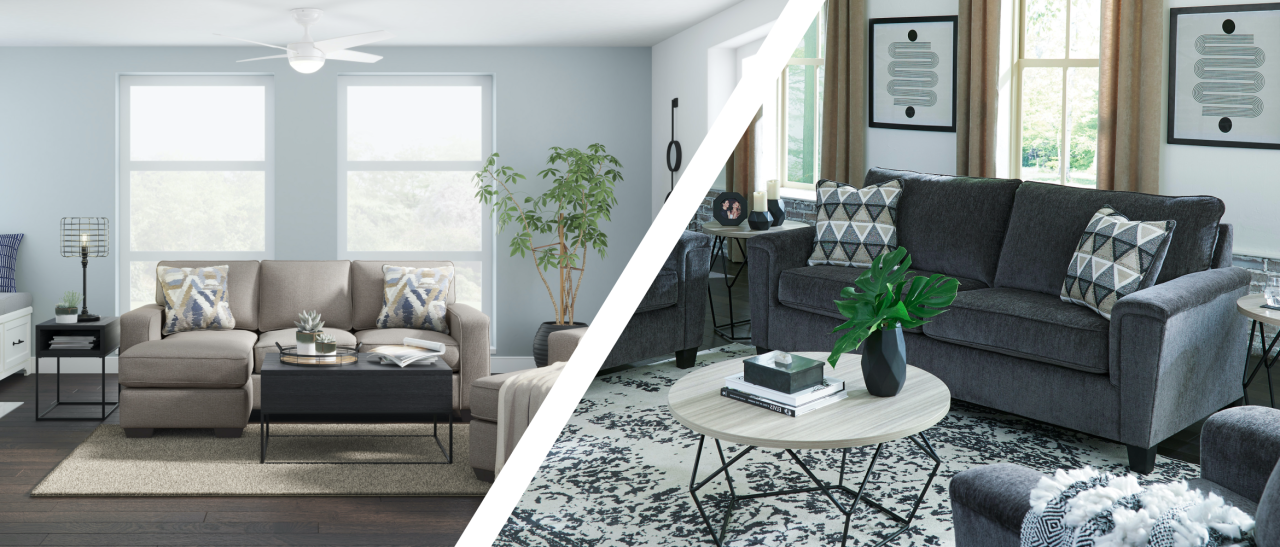
The eternal design debate between minimalism and maximalism continues to shape our living spaces, fashion choices, and digital experiences. These opposing philosophies represent more than just aesthetic preferences—they reflect fundamental differences in how we interact with our environment and express our identities. This in-depth exploration examines both styles’ origins, psychological impacts, practical applications, and how to strike the perfect balance for your lifestyle.

A. Understanding the Core Philosophies
1. Minimalism Defined
*”Less is more” – Ludwig Mies van der Rohe*
-
Visual characteristics: Clean lines, neutral palettes, open spaces
-
Key principles: Intentionality, functionality, subtraction
-
Historical roots: Japanese Zen, Bauhaus movement, Scandinavian design
2. Maximalism Defined
*”More is more” – Robert Venturi*
-
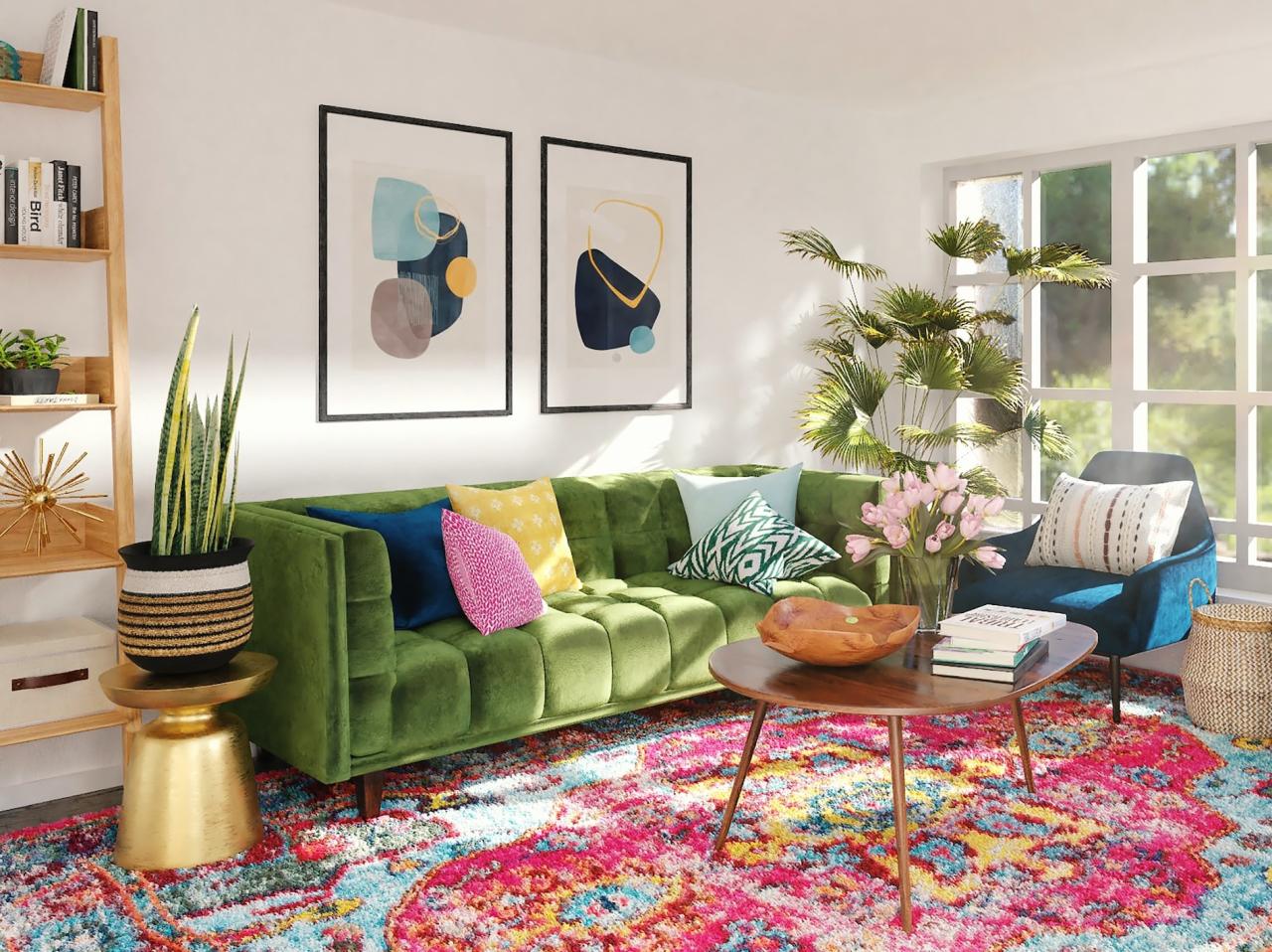
Visual characteristics: Bold patterns, rich textures, curated collections
-
Key principles: Self-expression, abundance, layering
-
Historical roots: Baroque period, Victorian era, Memphis Group
B. The Psychology Behind Each Style
1. Minimalism’s Mental Benefits
-
Reduced decision fatigue: Fewer objects = fewer choices
-
Enhanced focus: Eliminates visual distractions
-
Stress reduction: Creates calming environments
-
Studies show: 72% of minimalists report lower anxiety levels
2. Maximalism’s Emotional Appeal
-
Stimulation boost: Triggers creativity through visual interest
-
Nostalgia factor: Displays meaningful collections
-
Personality expression: Acts as visual autobiography
-
Research indicates: Colorful spaces increase serotonin production
C. Style Showdown: Room-by-Room Comparison
| Space | Minimalist Approach | Maximalist Approach |
|---|---|---|
| Living Room | Monochromatic sofa, single statement art piece | Patterned wallpaper, mix of vintage and modern furniture |
| Bedroom | Platform bed, no headboard, bare walls | Canopy bed, gallery wall, layered textiles |
| Kitchen | Hidden appliances, clean countertops | Open shelving with colorful dishware, hanging pots |
| Home Office | Standing desk, wireless peripherals | Inspirational bulletin board, bookshelf rainbow |
D. Cultural Influences Shaping Both Movements
1. Minimalism’s Global Impact
-
Japanese Ma: Philosophy of negative space
-
Nordic Hygge: Cozy simplicity
-
Silicon Valley tech: Streamlined digital interfaces
2. Maximalism’s Resurgence Drivers
-
Instagram aesthetics: Bold backdrops for content creation
-
Sustainability shift: Vintage/upcycled item collections
-
Post-pandemic reaction: Rejecting austerity for joy
E. Practical Implementation Guide
1. Adopting Minimalism
A. Start small: Clear one drawer daily
B. The 90/90 rule: Remove unused items for 90 days
C. Quality over quantity: Invest in 5 perfect pieces
D. Digital detox: Simplify phone apps and emails
2. Embracing Maximalism
A. Color blocking: Pair 3-5 vibrant hues
B. Texture mixing: Combine velvet, metal, wood
C. Display rotation: Seasonal collection swaps
D. Statement lighting: Oversized chandeliers
F. Hybrid Approaches: Best of Both Worlds
1. Minimalism with Maximalist Touches
-
Neutral base with colorful accents
-
Clean lines with one ornate mirror
-
Streamlined furniture with textured throws
2. Maximalism with Minimalist Organization
-
Themed collections in display cases
-
Color-coded bookshelves
-
Patterned walls with clear floor space
G. Industry Expert Predictions
1. Future of Minimalism
-
Smart home integration: Invisible technology
-
Micro-living solutions: Convertible furniture
-
Biophilic focus: Natural materials only
2. Future of Maximalism
-
Digital maximalism: AR decor layers
-
Global folk influences: Cultural pattern mixing
-
Neo-Victorian: Modern takes on ornate styles
Conclusion
The minimalism vs maximalism debate isn’t about declaring a winner, but understanding which philosophy—or combination—best serves your psychological needs and lifestyle. As we move toward more personalized living spaces, the power lies in consciously choosing elements from both worlds to create environments that truly reflect and enhance who we are.
Tags: minimalism, maximalism, interior design, design philosophy, home decor, lifestyle trends, space optimization, visual aesthetics, psychological design, decor styles