







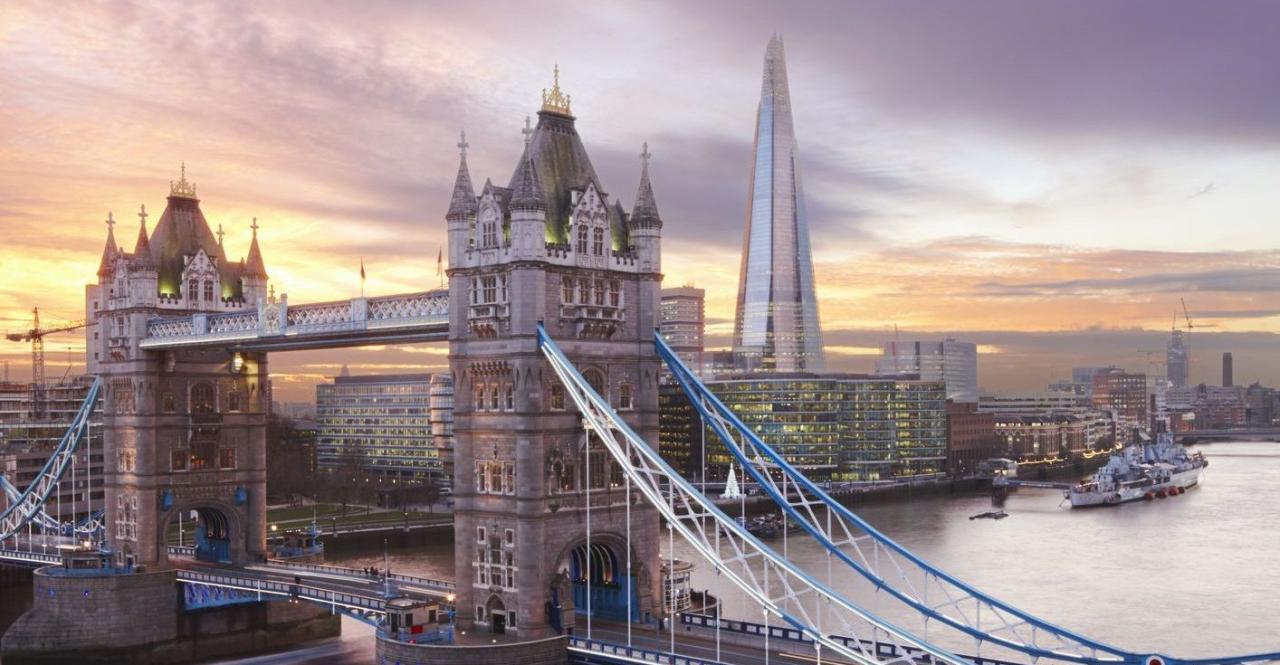

Throughout history, visionary architects have shaped our skylines with breathtaking structures that define cities and cultures. From ancient wonders to modern marvels, these creative geniuses combine art, engineering, and innovation to build iconic landmarks. This comprehensive guide explores the brilliant minds behind the world’s most famous buildings, their design philosophies, and the lasting impact of their work on architecture and tourism.
A. The Significance of Iconic Architecture
1. Defining Architectural Icons
-
Structures that become cultural symbols (Eiffel Tower, Taj Mahal)
-
Buildings that redefine engineering possibilities (Burj Khalifa, Millau Viaduct)
-
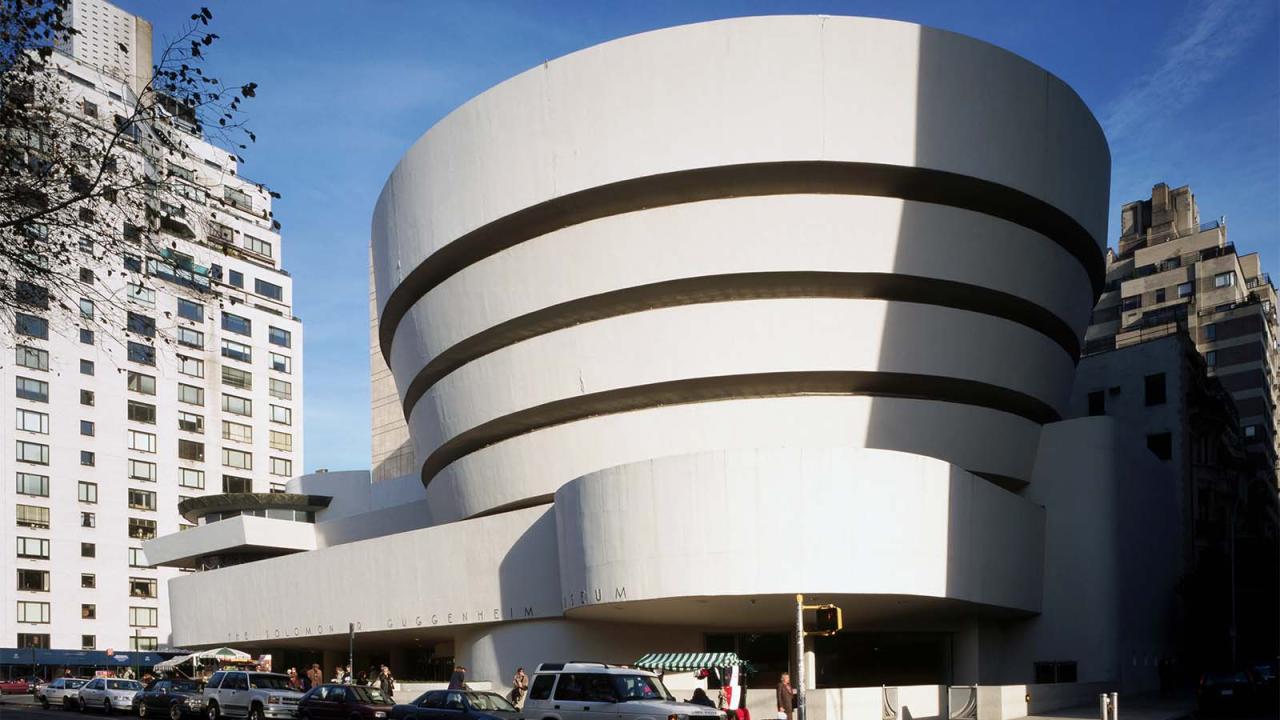
Designs that influence future architecture (Fallingwater, Guggenheim Museum)
2. Why Landmarks Matter
-
Boost tourism and local economies
-
Become national pride symbols
-
Push technological boundaries in construction
B. Legendary Architects and Their Masterpieces
1. Ancient & Classical Era Visionaries
A. Imhotep (Egypt, 27th century BCE)
-
Designed the Step Pyramid of Djoser (world’s oldest stone building)
-
Considered history’s first named architect
B. Mimar Sinan (Ottoman Empire, 16th century)
-
Created Süleymaniye Mosque in Istanbul
-
Built over 300 structures during his lifetime
2. Modern Architecture Pioneers
A. Frank Lloyd Wright (1867-1959)
-
Designed Fallingwater (organic architecture)
-
Created the Guggenheim Museum’s spiral design
B. Le Corbusier (1887-1965)
-
Pioneer of brutalist architecture
-
Designed Chapelle Notre-Dame du Haut
3. Contemporary Starchitects
A. Zaha Hadid (1950-2016)
-
First woman to win Pritzker Architecture Prize
-
Designed Heydar Aliyev Center (fluid architecture)
B. Santiago Calatrava (b. 1951)
-
Created Turning Torso in Sweden
-
Known for white, wing-like structures
C. Engineering Marvels Behind Famous Landmarks
1. Burj Khalifa (Adrian Smith, SOM)
-
World’s tallest building (828 meters)
-
Innovative buttressed core design
-
Withstands extreme desert winds
2. Sydney Opera House (Jørn Utzon)
-
Sail-like shells required new engineering solutions
-
Took 14 years to complete
-
UNESCO World Heritage Site
3. Sagrada Família (Antoni Gaudí)
-
Under construction for 140+ years
-
Combines Gothic and Art Nouveau styles
-
Uses hyperbolic paraboloid structures
D. Architectural Styles That Shaped Cities
1. Gothic Revival
-
Example: Big Ben (Charles Barry)
-
Features: Pointed arches, ribbed vaults
2. Art Deco
-
Example: Chrysler Building (William Van Alen)
-
Features: Geometric patterns, sleek lines
3. Deconstructivism
-
Example: Walt Disney Concert Hall (Frank Gehry)
-
Features: Fragmented, non-rectilinear shapes
E. How Landmarks Impact Tourism & Economies
1. Most Visited Architectural Landmarks
A. Eiffel Tower (7 million visitors/year)
B. Colosseum (6 million visitors/year)
C. Taj Mahal (8 million visitors/year)
2. Economic Benefits
-
Creates thousands of jobs
-
Generates billions in tourism revenue
-
Increases property values nearby
F. Future of Architectural Landmarks
1. Upcoming Projects to Watch
-
The Line, Saudi Arabia (170km linear city)
-
Dubai Creek Tower (New world’s tallest?)
-
Tokyo Olympic Stadium (Kengo Kuma)
2. Sustainable Architecture Trends
-
Vertical forests (Bosco Verticale)
-
Carbon-neutral buildings
-
3D-printed structures
Conclusion
The world’s most famous landmarks stand as testaments to human creativity and engineering prowess. From Imhotep’s pyramids to Zaha Hadid’s fluid designs, master architects continue pushing boundaries. These structures not only define skylines but also shape cultures, economies, and our collective imagination. As we look to the future, sustainable and technologically advanced designs will create the next generation of architectural icons.
Tags: famous architects, iconic buildings, architectural history, structural engineering, Frank Lloyd Wright, Zaha Hadid, tourist attractions, building design, modern architecture, world landmarks