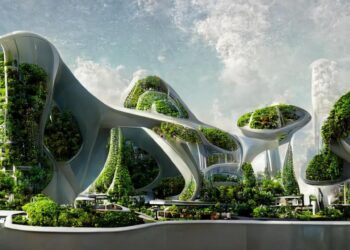







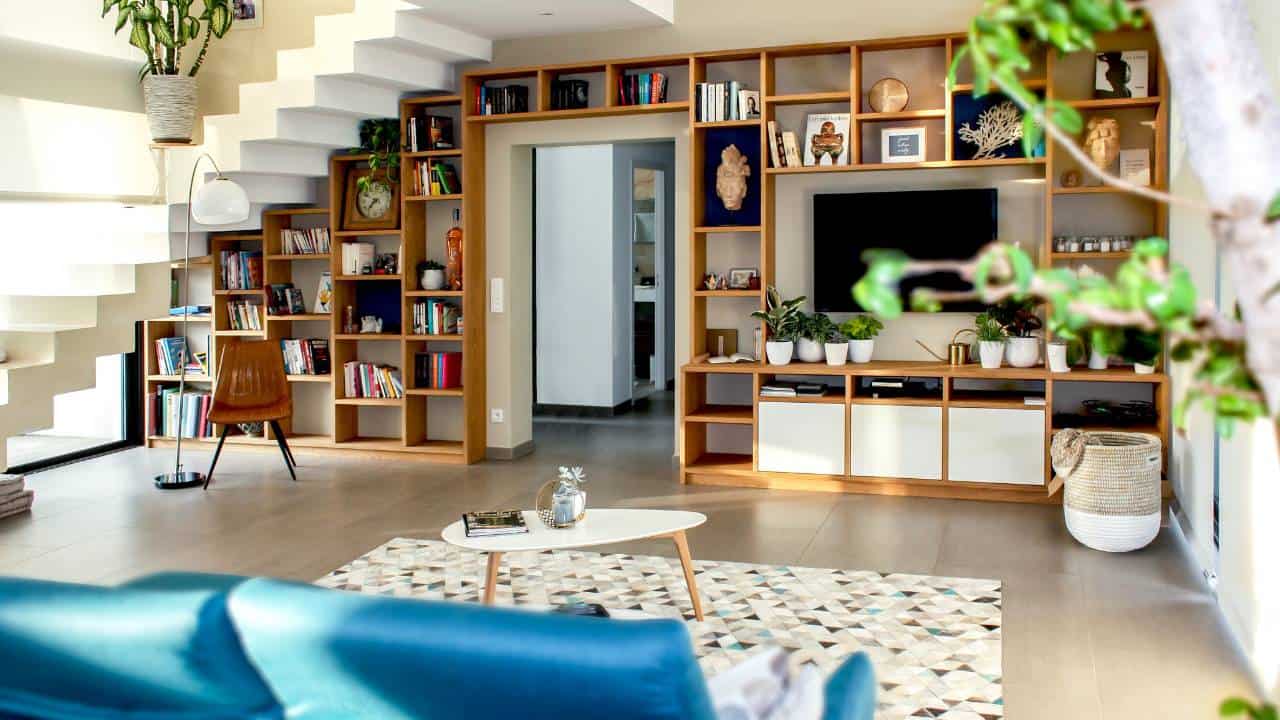

The global push toward environmental conservation has made sustainable homes a cornerstone of modern urban development. These eco-friendly residences not only reduce carbon footprints but also enhance living standards while cutting long-term costs. This comprehensive guide explores how sustainable homes are reshaping cities, their key features, benefits, challenges, and future trends.
A. What Are Sustainable Homes?
Sustainable homes are designed to minimize environmental impact through energy efficiency, renewable materials, and smart technology. They align with green building standards like LEED (Leadership in Energy and Environmental Design) and BREEAM (Building Research Establishment Environmental Assessment Method).
1. Core Principles of Sustainable Housing
-
Energy Efficiency: Uses solar panels, insulation, and LED lighting.
-
Water Conservation: Implements rainwater harvesting and low-flow fixtures.
-
Eco-Friendly Materials: Bamboo, recycled steel, and reclaimed wood.
-
Waste Reduction: Construction debris recycling and composting systems.
B. Key Features of Sustainable Homes
1. Renewable Energy Integration
-
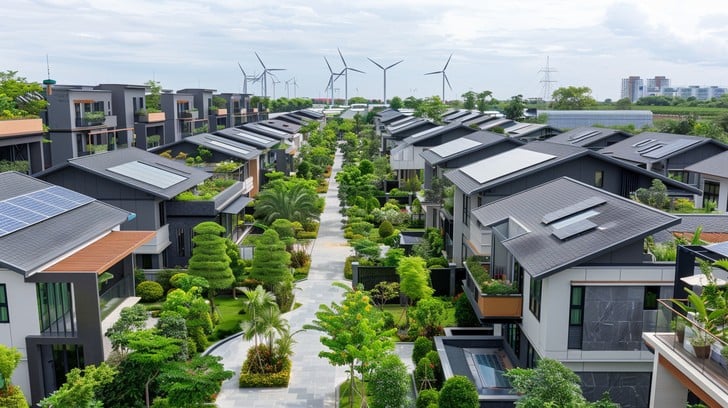
Solar panels and wind turbines reduce reliance on fossil fuels.
-
Smart grids optimize energy distribution.
2. Passive Design Strategies
-
Natural lighting and ventilation cut electricity usage.
-
Thermal mass materials regulate indoor temperatures.
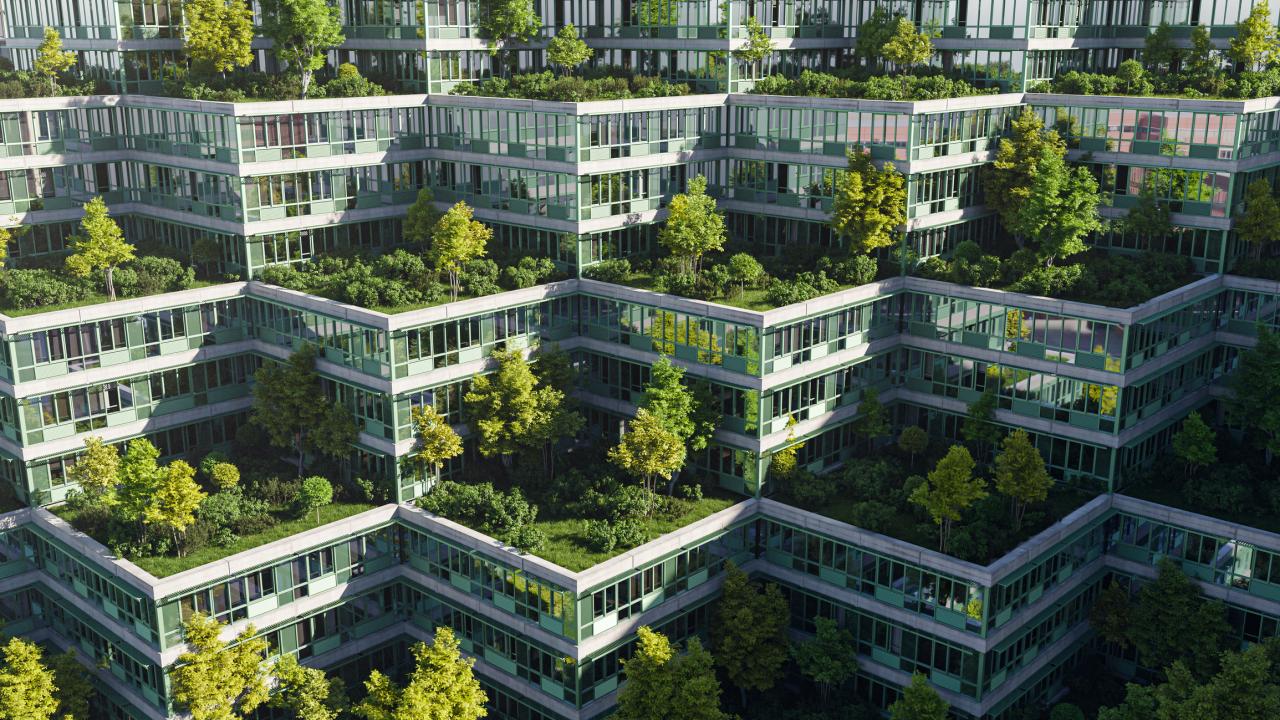
3. Green Roofs and Walls
-
Improve air quality and insulation.
-
Reduce urban heat island effects.
4. Smart Home Technology
-
AI-powered thermostats (e.g., Nest) adjust energy use.
-
IoT sensors monitor water and electricity consumption.
5. Water Management Systems
-
Greywater recycling for irrigation and toilets.
-
Permeable pavements prevent flooding.

C. Benefits of Sustainable Homes
1. Environmental Impact
-
Lowers CO₂ emissions by up to 50% compared to traditional homes.
-
Preserves natural resources through recycled materials.
2. Economic Advantages
-
Saves 30–60% on utility bills annually.
-
Increases property value by 7–10%.
3. Health and Comfort
-
Non-toxic materials improve indoor air quality.
-
Noise-reducing designs enhance tranquility.
4. Urban Resilience
-
Reduces strain on municipal water and power systems.
-
Mitigates climate change effects like extreme heat.
D. Challenges in Adopting Sustainable Housing
1. High Initial Costs
-
Green materials and tech require 10–20% higher upfront investment.
-
Solution: Government subsidies and tax incentives.
2. Lack of Awareness
-
Many homeowners underestimate long-term savings.
-
Education campaigns can bridge this gap.
3. Regulatory Hurdles
-
Varying local building codes complicate approvals.
-
Advocacy for standardized green policies is needed.
4. Supply Chain Limitations
-
Shortages of sustainable materials delay projects.
-
Investing in local suppliers can alleviate this.
E. Global Examples of Sustainable Housing
| Project | Location | Key Features |
|---|---|---|
| The Edge | Amsterdam | World’s greenest office building with energy-positive design. |
| Bosco Verticale | Milan | Vertical forests with 900 trees reducing air pollution. |
| BedZED | London | Zero-energy community with rooftop solar and car-sharing. |
| Pixel Building | Melbourne | Carbon-neutral structure with rainwater recycling. |
F. Future Trends in Sustainable Urban Homes
1. Net-Zero Energy Buildings
-
Produce as much energy as they consume.
2. Circular Construction
-
Homes built entirely from recycled or biodegradable materials.
3. Biophilic Design
-
Integrates nature into living spaces for mental well-being.
4. 3D-Printed Eco-Homes
-
Affordable, customizable houses printed in days.
5. AI-Optimized Sustainability
-
Machine learning adjusts energy use in real time.
G. How to Make Your Home More Sustainable
1. Start Small
-
Switch to LED bulbs and low-flow showerheads.
2. Invest in Renewables
-
Install solar panels or subscribe to community solar programs.
3. Upgrade Insulation
-
Use cellulose or wool insulation to reduce heating/cooling needs.
4. Adopt Smart Tech
-
Smart thermostats and leak detectors save resources.
5. Support Green Policies
-
Advocate for local incentives like solar rebates.
Conclusion
Sustainable homes are revolutionizing urban landscapes by merging eco-conscious design with cutting-edge technology. While challenges remain, the environmental, economic, and health benefits make them a vital part of our future cities. Embracing these innovations today ensures a greener, more resilient tomorrow.
Tags: sustainable homes, green building, eco-friendly housing, urban sustainability, renewable energy, smart homes, LEED certification, energy efficiency, carbon footprint, sustainable materials