








As climate change accelerates and urbanization expands, sustainable homes are becoming the cornerstone of modern city planning. These eco-conscious dwellings not only reduce environmental impact but also offer long-term cost savings and healthier living spaces. This comprehensive guide explores the latest innovations, benefits, and future trends in sustainable home design, providing valuable insights for homeowners, architects, and urban planners alike.
A. The Rise of Sustainable Home Design
Sustainable homes are no longer a niche concept but a global movement transforming urban landscapes. Key drivers include:
- Climate Change Awareness – Growing public concern about carbon footprints and energy consumption.
- Government Regulations – Stricter building codes promoting energy efficiency.
- Technological Advancements – Affordable green materials and smart home systems.
- Economic Benefits – Lower utility bills and increased property values.
B. Key Features of Sustainable Homes
1. Energy-Efficient Design
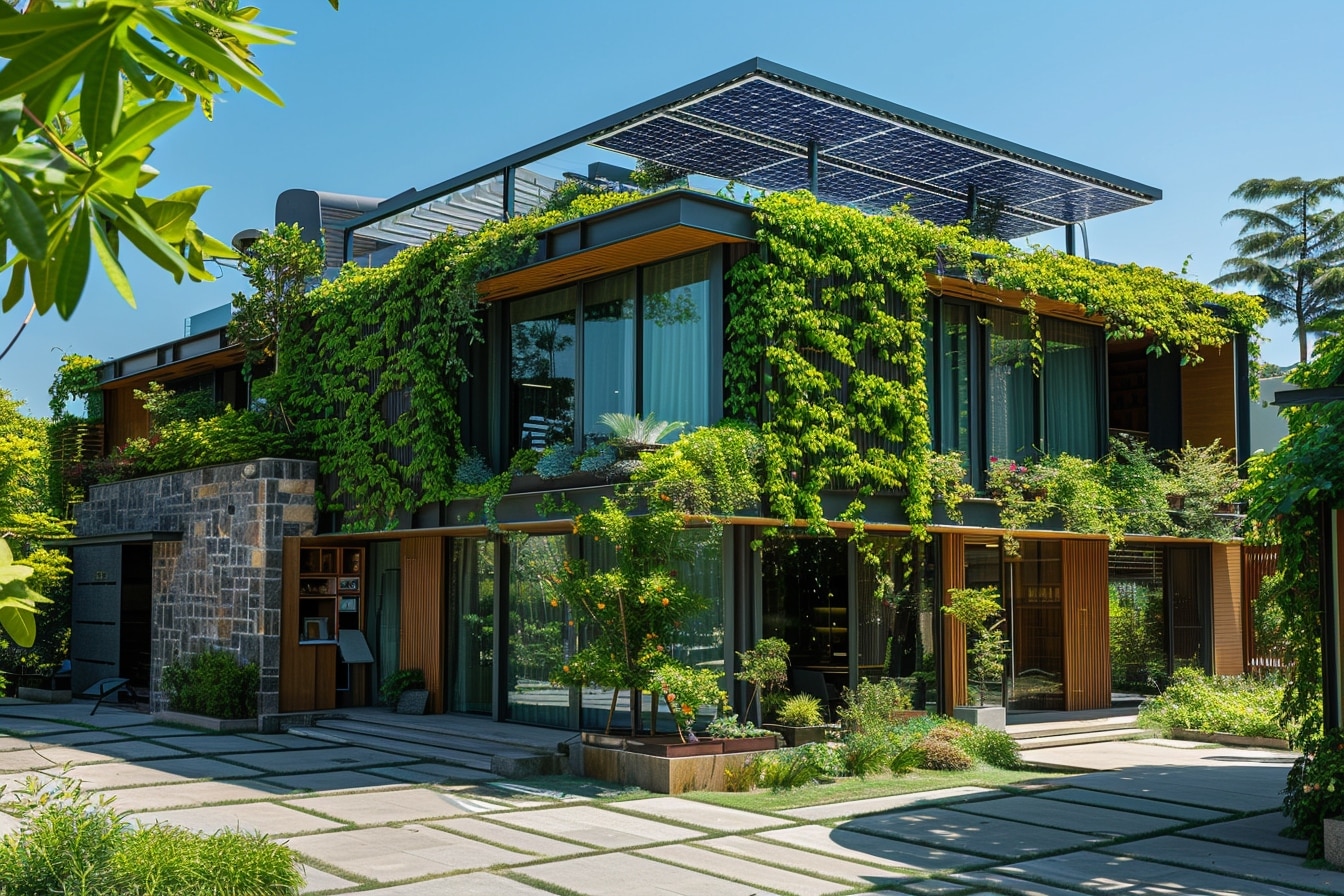
- Solar Panel Integration – Harnessing renewable energy to reduce grid dependence.
- High-Performance Insulation – Advanced materials like aerogel for optimal temperature control.
- Smart Thermostats – AI-driven systems to minimize energy waste.
2. Water Conservation Systems
- Rainwater Harvesting – Collecting and reusing rainwater for irrigation and non-potable uses.
- Low-Flow Fixtures – Reducing water consumption without sacrificing performance.
- Greywater Recycling – Filtering and reusing water from sinks and showers.
3. Sustainable Building Materials
- Bamboo Flooring – A fast-growing, durable alternative to hardwood.
- Recycled Steel – Reducing the environmental impact of construction.
- Hempcrete – A carbon-negative insulation material.
4. Indoor Air Quality Improvements
- VOC-Free Paints – Eliminating toxic chemicals from interior finishes.
- Natural Ventilation Systems – Enhancing airflow without energy-intensive HVAC.
- Living Walls – Incorporating plants to filter air pollutants.

C. Benefits of Sustainable Homes
- Lower Operating Costs – Reduced energy and water bills over time.
- Healthier Living Environments – Fewer toxins and better air quality.
- Higher Resale Value – Growing demand for eco-friendly properties.
- Climate Resilience – Better equipped to handle extreme weather events.
- Community Impact – Contributing to greener, more livable cities.
D. Challenges in Adopting Sustainable Home Design
1. Higher Upfront Costs
- While long-term savings are significant, initial investments can be steep.
2. Limited Availability of Materials
- Some sustainable products are not yet widely accessible.
3. Lack of Skilled Labor
- Builders may need specialized training for green construction techniques.
4. Consumer Misconceptions
- Many still believe sustainable homes are less comfortable or aesthetically pleasing.
E. Future Trends in Sustainable Urban Housing
- Net-Zero Energy Homes – Producing as much energy as they consume.
- Modular and Prefab Construction – Faster, less wasteful building methods.
- Biophilic Design – Blending nature with architecture for mental well-being.
- AI-Optimized Energy Use – Machine learning to further reduce waste.
- Circular Economy Principles – Designing homes for disassembly and reuse.
Conclusion
Sustainable homes are no longer the future—they are the present. As technology advances and awareness grows, these eco-friendly dwellings will become the standard, reshaping our cities into healthier, more efficient, and resilient spaces. Whether you’re building new or retrofitting an existing home, embracing sustainability is a smart investment in your future and the planet’s.
Tags: sustainable homes, green building, eco-friendly design, energy efficiency, urban planning, smart homes, renewable energy, water conservation, sustainable materials, climate resilience