






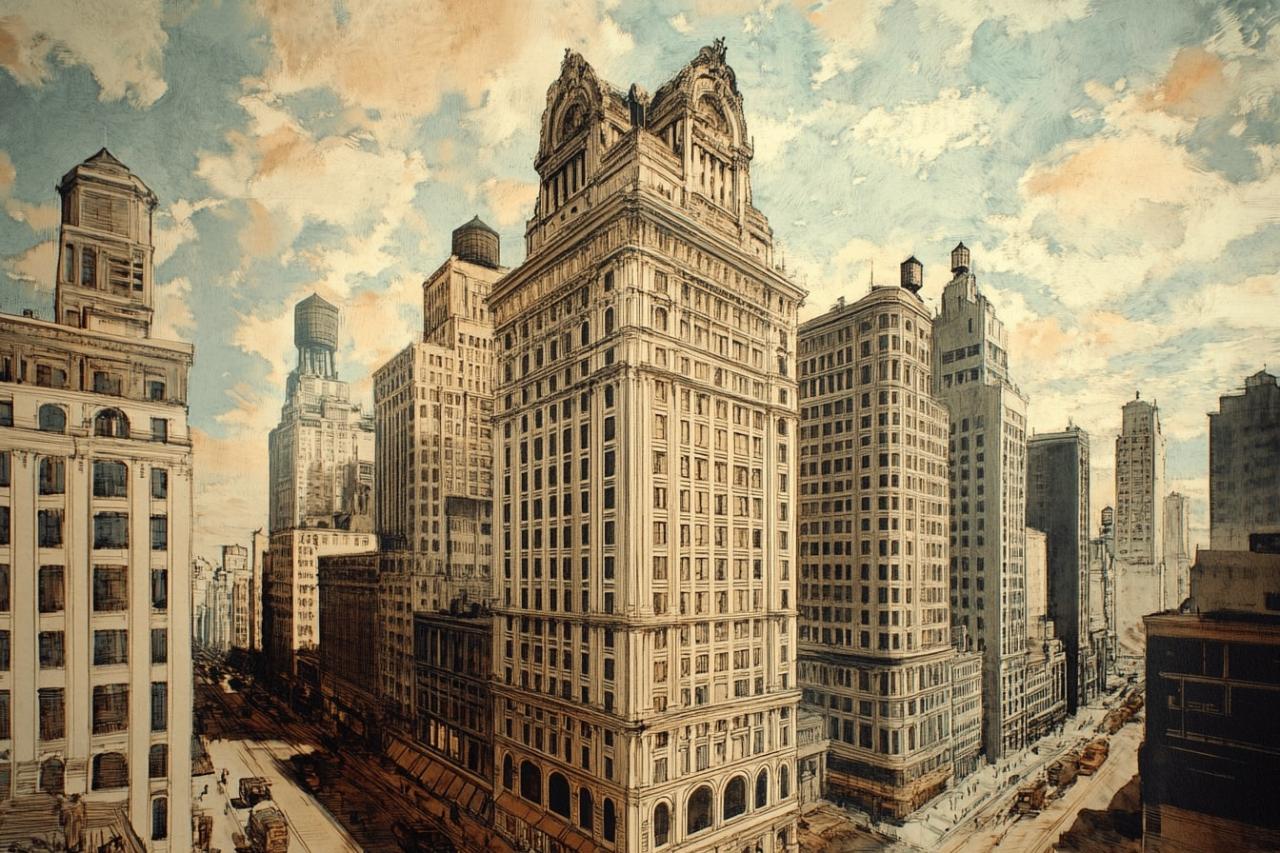

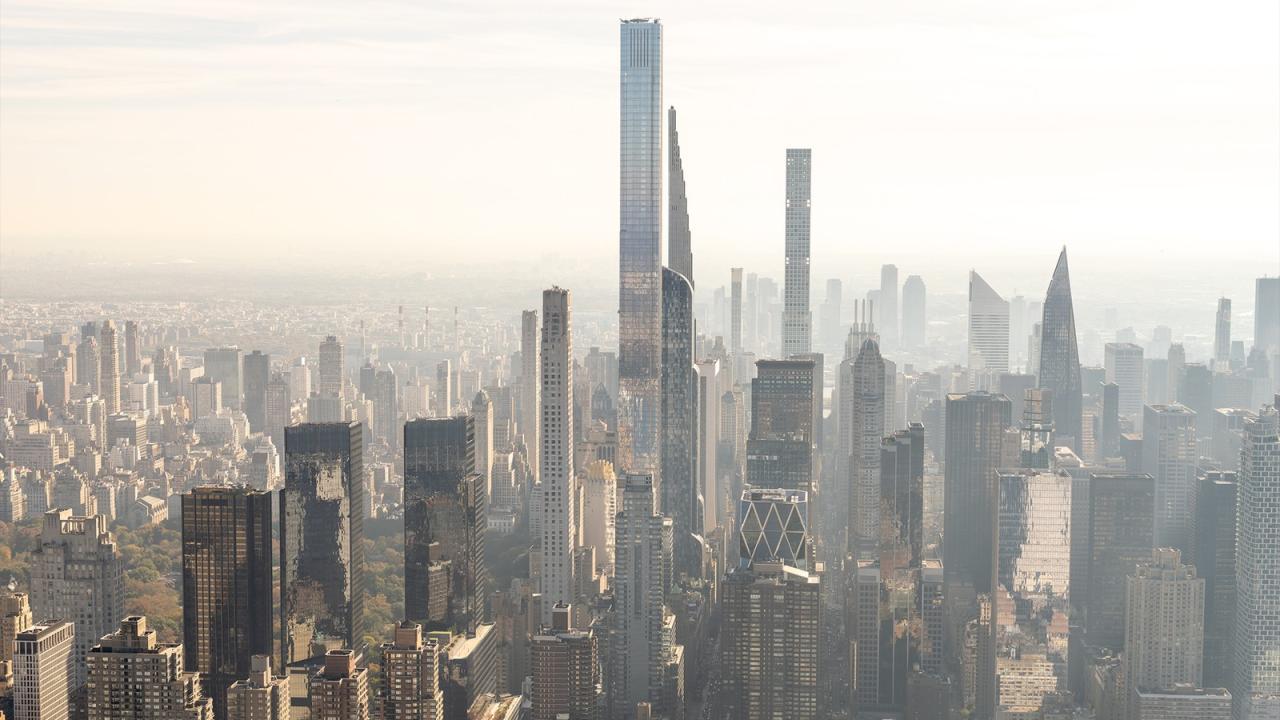
The 21st century has witnessed an unprecedented boom in luxury skyscraper development, with architectural marvels reshaping city skylines worldwide. These towering monuments of wealth and engineering prowess combine cutting-edge design with ultra-exclusive amenities, creating vertical cities that redefine urban living. This in-depth exploration examines how these majestic structures are revolutionizing our urban environments, from their groundbreaking designs to their impact on city economies and cultures.
A. The Evolution of Skyscraper Luxury
1. Historical Milestones
- Early 20th Century: The Chrysler Building (1930) set early standards for Art Deco opulence
- Post-War Era: Seagram Building (1958) introduced modernist corporate luxury
- Modern Age: Burj Khalifa (2010) established new benchmarks for residential extravagance
2. The New Gold Standard in Vertical Living
Today’s luxury towers offer:
- Private elevator access to residences
- Sky lounges at 1,000+ feet elevations
- Bespoke interior design services
- 24/7 concierge and security
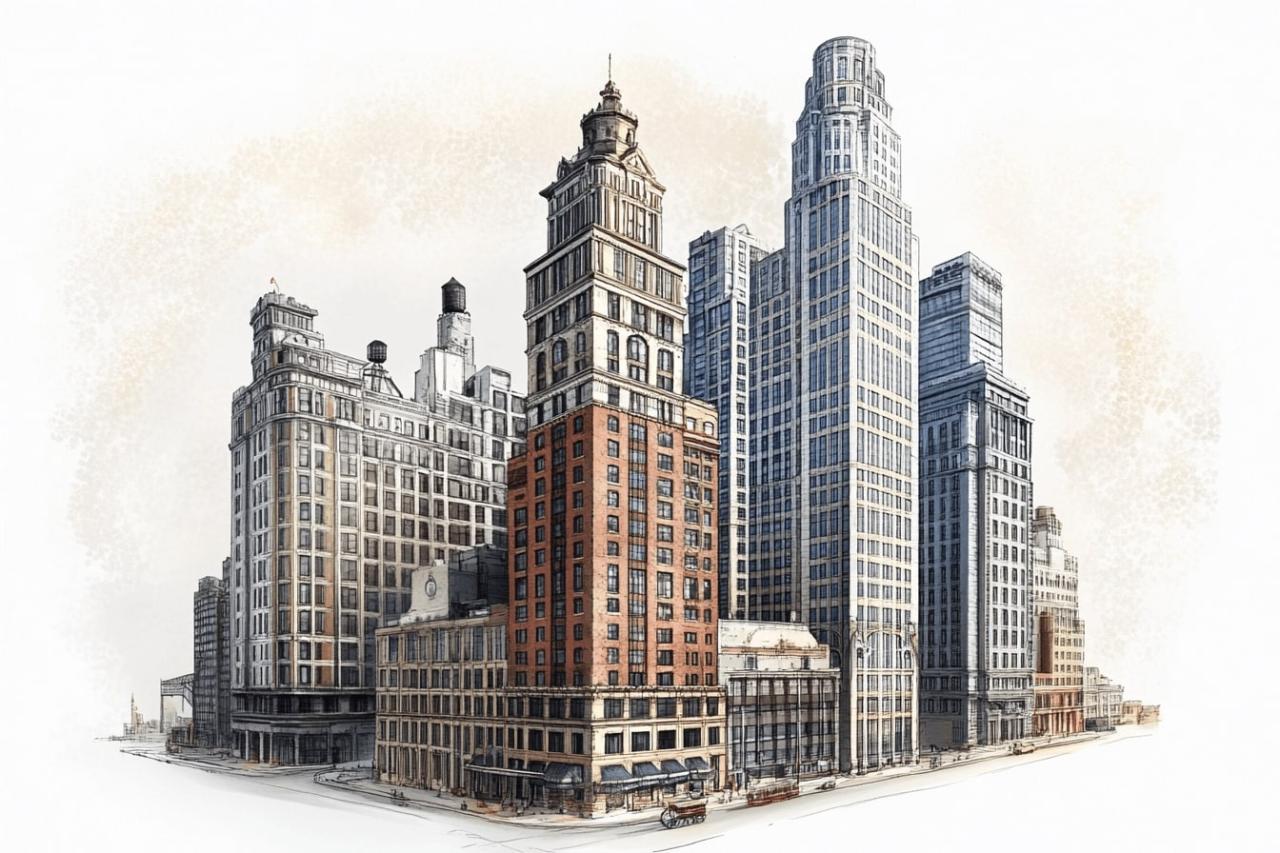
B. Architectural Marvels Dominating Global Skylines
1. Engineering Breakthroughs
| Feature | Innovation | Example |
|---|---|---|
| Façade Tech | Self-cleaning glass, dynamic shading | Shanghai Tower |
| Structural | Tuned mass dampers for stability | Taipei 101 |
| Vertical Transport | Double-decker elevators | Burj Khalifa |
2. Iconic Projects Redefining Cities
- One57, New York: Billionaire’s Row pioneer with $100M+ penthouses
- The Shard, London: Renzo Piano’s glass spire transforming Southwark
- Ping An Finance Centre, Shenzhen: Sustainable luxury at 1,965 feet
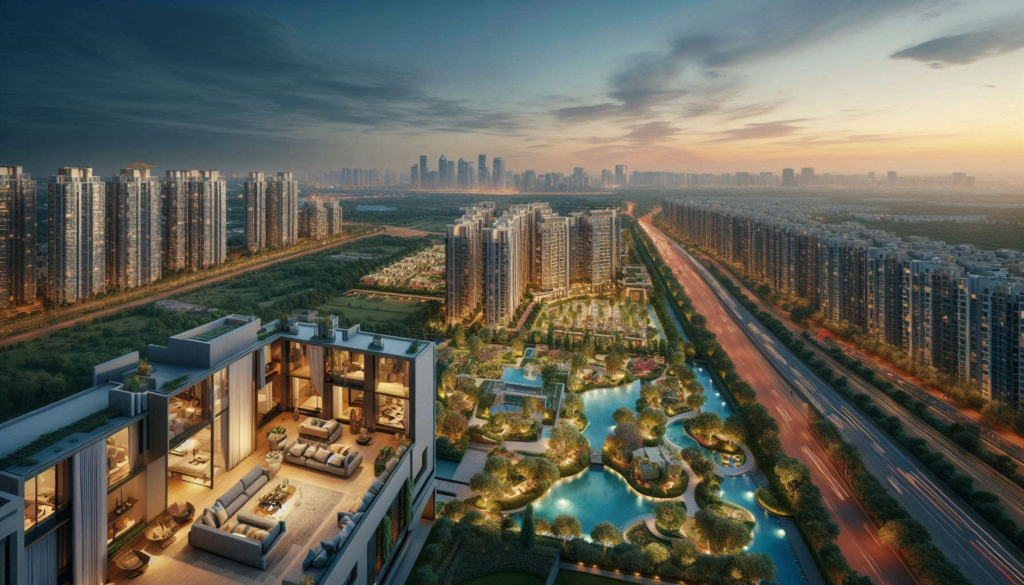
C. The Economics of Sky-High Luxury
1. Market Dynamics
- Average price per square foot in top towers: 5,000−15,000
- Typical buyer profiles:
- 45% international investors
- 30% corporate purchases
- 25% primary residence buyers
2. Urban Impact
Positive Effects:
- Increased property values in surrounding areas
- Job creation during construction/operation
- Enhanced global city branding
Controversies:
- “Empty nest” phenomenon in some markets
- Shadow and wind tunnel effects at street level
- Displacement of existing communities
D. Cutting-Edge Amenities in Modern Towers
1. Unprecedented Residential Features
A. Private infinity pools in the sky
B. Helicopter landing pads
C. Automated wine cellars with sommelier service
D. Climate-controlled art storage
2. Shared Luxury Spaces
- High-altitude observation decks
- Michelin-starred restaurants at 800+ feet
- Sky-high fitness centers with altitude training
- Vertical urban farms
E. Sustainability in Luxury High-Rises
1. Green Innovations
- Energy: Integrated photovoltaic glass
- Water: Blackwater recycling systems
- Materials: Low-carbon concrete alternatives
2. LEED-Certified Giants
- Bank of America Tower (NYC): First skyscraper to achieve Platinum status
- Pearl River Tower (Guangzhou): Net-zero energy design
F. Future Trends in Elite Vertical Living
1. Emerging Concepts
- “Sky Villages” – Multi-level penthouse compounds
- Floating Pools – Cantilevered aquatic platforms
- Blockchain-Secured – Digital ownership verification
2. Projects to Watch
- Jeddah Tower (Saudi Arabia): Future world’s tallest at 3,281ft
- The Spiral (NYC): Bjarke Ingels’ terraced green tower
Conclusion
Luxury skyscrapers have evolved from mere status symbols to sophisticated urban ecosystems that push architectural boundaries while addressing modern living needs. As these towers continue reaching new heights—both literally and figuratively—they serve as powerful testaments to human ingenuity and the evolving nature of elite urban lifestyles in our increasingly vertical cities.
Tags: luxury skyscrapers, high-rise architecture, urban development, billionaire real estate, skyscraper design, penthouse living, city skylines, vertical cities, sustainable towers, future of housing