




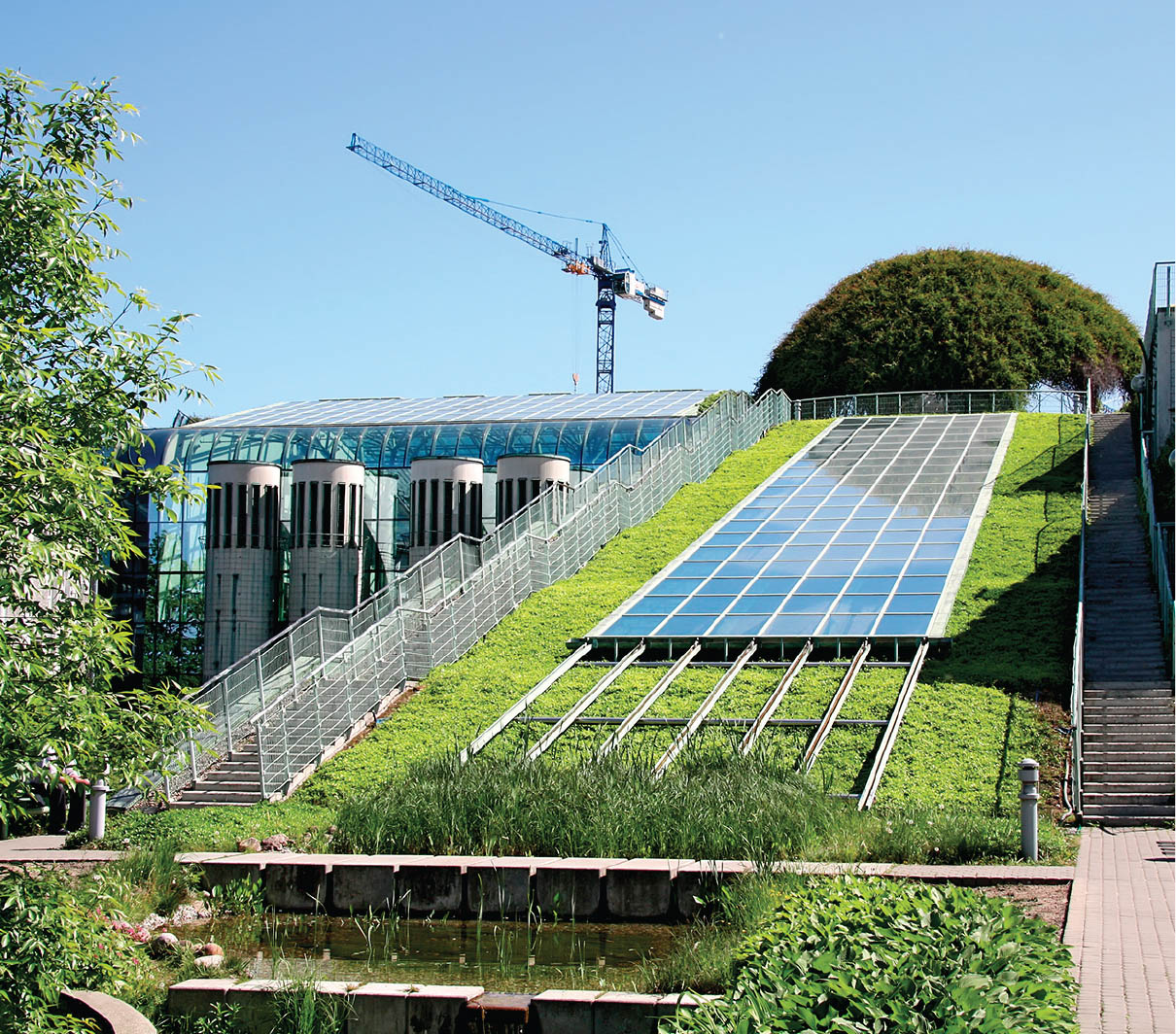
The construction industry is undergoing a radical transformation as green buildings become the new standard for sustainable, cost-effective living. With rising energy costs and growing environmental concerns, eco-friendly structures are proving to be more than just a trend—they’re a financially smart solution for homeowners and businesses alike.

This comprehensive guide explores how green buildings dramatically reduce energy expenses, the technologies making it possible, and why they represent the future of construction.
A. What Makes a Building “Green”?
Green buildings are designed to minimize environmental impact while maximizing efficiency. Key characteristics include:
1. Energy-Efficient Design
- Strategic orientation to maximize natural light
- High-performance insulation to reduce heating/cooling needs
- Thermal mass materials that regulate temperature
2. Renewable Energy Integration
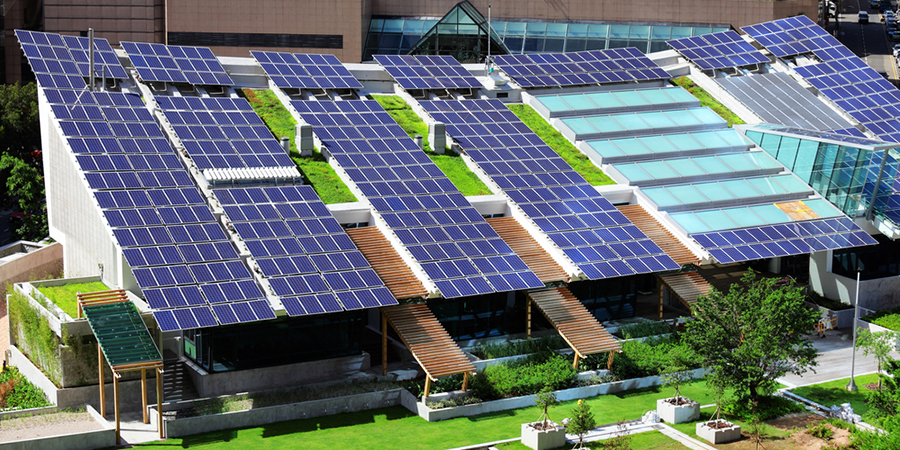
- Solar panel systems
- Wind turbines for larger properties
- Geothermal heating/cooling
3. Water Conservation Systems
- Low-flow plumbing fixtures
- Greywater recycling
- Rainwater harvesting
4. Sustainable Materials
- Recycled steel and concrete
- Bamboo flooring (rapidly renewable)
- Low-VOC paints and finishes
B. Energy-Saving Technologies in Green Buildings
Modern green buildings incorporate cutting-edge technologies that dramatically cut power consumption:
1. Smart HVAC Systems
- Variable refrigerant flow (VRF) technology
- Geothermal heat pumps
- Automated zoning controls
2. Advanced Lighting Solutions
- Motion-sensor LED lighting
- Daylight harvesting systems
- Smart lighting controls
3. High-Performance Building Envelopes
- Triple-glazed windows
- Aerogel insulation
- Living walls for natural insulation
4. Energy Monitoring Systems
- Real-time energy tracking
- AI-powered consumption optimization
- Automated peak demand management
C. Financial Benefits of Green Buildings
The energy savings translate into substantial financial advantages:
1. Dramatically Lower Utility Bills
- 30-50% reduction in energy use compared to conventional buildings
- Some net-zero buildings eliminate energy bills entirely
2. Increased Property Value
- LEED-certified buildings sell for 8-10% more
- Faster occupancy rates for commercial properties
3. Government Incentives
- Tax credits for energy-efficient upgrades
- Rebates for renewable energy installations
- Expedited permitting for green projects
4. Reduced Maintenance Costs
- Durable materials last longer
- Smart systems predict maintenance needs
D. Case Studies: Real-World Energy Savings
| Project | Location | Energy Savings | Payback Period |
|---|---|---|---|
| The Edge (Office) | Amsterdam | 70% reduction | 5 years |
| Bullitt Center (Commercial) | Seattle | Net-positive energy | 7 years |
| Cornell Tech Residential | New York | 60% reduction | 6 years |
E. Overcoming Green Building Challenges
While beneficial, green construction faces some hurdles:
1. Higher Initial Costs
- Solution: Long-term savings outweigh upfront investment
2. Technical Complexity
- Solution: Work with certified green building professionals
3. Limited Local Expertise
- Solution: Online training programs expanding workforce
F. The Future of Energy-Efficient Construction
Emerging trends include:
- AI-optimized building performance
- Carbon-negative construction materials
- Building-integrated photovoltaics