





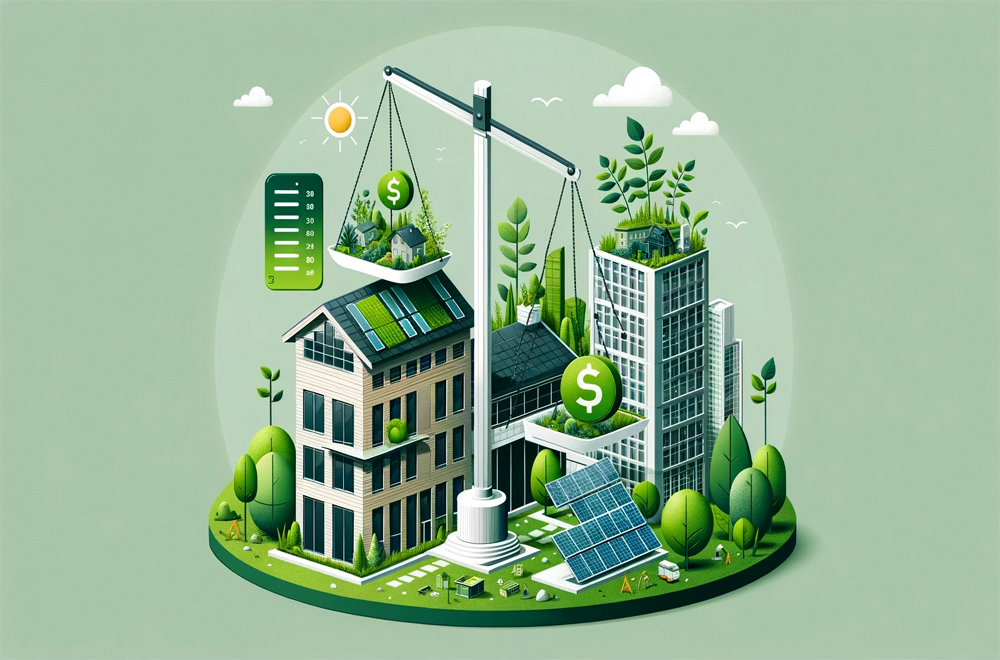

Green buildings are revolutionizing the construction industry by combining environmental responsibility with financial efficiency. These structures, designed with energy-saving technologies and sustainable materials, not only reduce carbon footprints but also save millions in operational costs. This in-depth guide explores the economic and ecological benefits of green buildings, their key features, and how they outperform traditional constructions.
A. What Are Green Buildings?
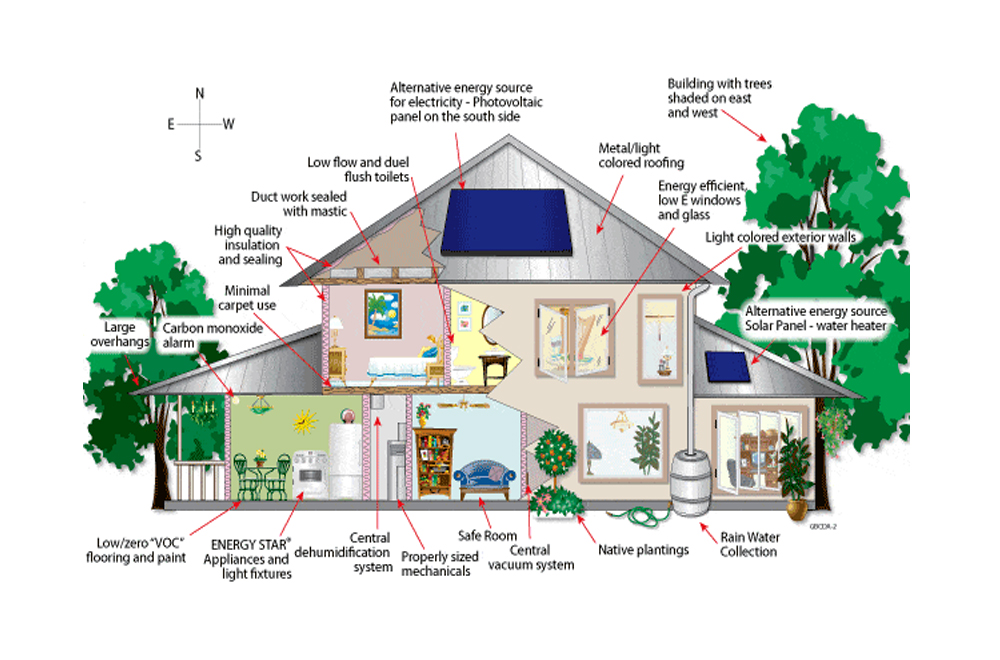
Green buildings, also known as sustainable or eco-friendly buildings, are designed to minimize environmental impact while maximizing efficiency. They incorporate:
-
Energy-Efficient Systems – Solar panels, LED lighting, and smart HVAC systems.
-
Water Conservation – Low-flow fixtures, rainwater harvesting, and greywater recycling.
-
Sustainable Materials – Recycled steel, bamboo flooring, and non-toxic paints.
-
Improved Indoor Air Quality – Natural ventilation and air-purifying plants.
B. How Green Buildings Save Millions
1. Significant Reduction in Energy Costs
-
Solar Power Integration – Cuts electricity bills by 40-70%.
-
Smart Thermostats – Optimize heating and cooling, reducing energy waste.
-
High-Efficiency Windows – Minimize heat loss in winter and heat gain in summer.
2. Lower Water Consumption Expenses
-
Rainwater Harvesting Systems – Reduce dependency on municipal water.
-
Drought-Resistant Landscaping – Lowers irrigation costs.
3. Government Incentives and Tax Breaks
Many countries offer financial benefits for green construction, including:
-
LEED Certification Rebates
-
Renewable Energy Tax Credits
-
Grants for Sustainable Urban Development
4. Increased Property Value & Rental Income
-
Green buildings attract eco-conscious tenants and buyers.
-
Studies show they command 5-10% higher resale values.
5. Reduced Maintenance Costs
-
Durable materials like recycled steel last longer than traditional options.
-
Self-cleaning glass and photocatalytic coatings minimize upkeep.
C. Top Green Building Technologies Saving Money
1. Smart Energy Management Systems
-
AI-powered systems adjust lighting and temperature based on occupancy.
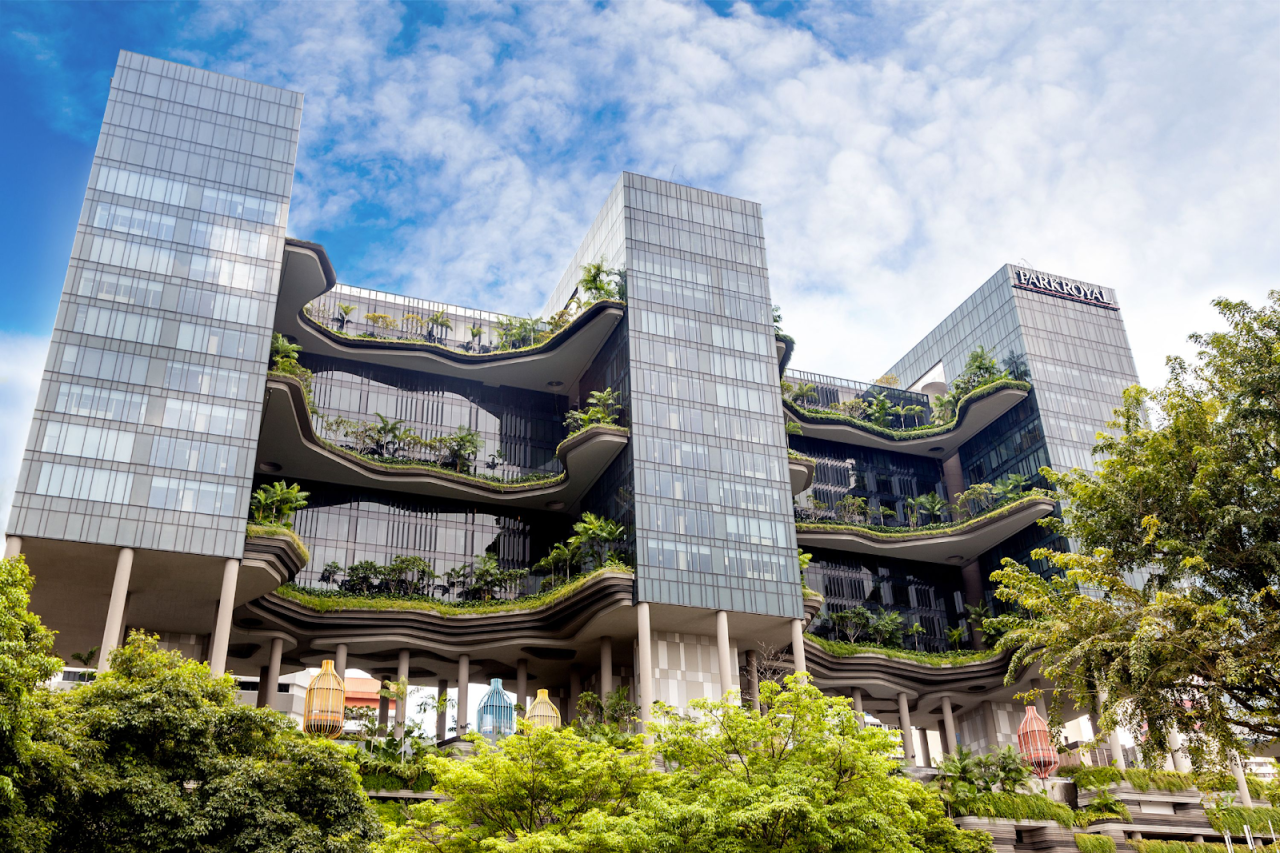
2. Green Roofs and Walls
-
Improve insulation, reducing HVAC costs by 15-25%.
3. Passive House Design
-
Uses natural sunlight and airflow to maintain temperature.
4. Geothermal Heating & Cooling
-
Cuts energy use by 50-70% compared to conventional systems.
D. Real-World Examples of Cost Savings
-
The Edge, Amsterdam – Uses 70% less electricity than typical office buildings.
-
One Bryant Park, NYC – Saves $3.5 million annually in energy costs.
-
Bullitt Center, Seattle – Generates 60% more energy than it consumes.
E. Challenges and Solutions in Green Construction
1. Higher Initial Costs
-
Solution: Long-term savings outweigh upfront investments.
2. Limited Skilled Labor
-
Solution: Governments are funding green construction training programs.
3. Regulatory Hurdles
-
Solution: Advocacy for streamlined green building policies.
F. Future Trends in Green Buildings
-
Net-Zero Energy Buildings – Produce as much energy as they consume.
-
Biophilic Design – Incorporates nature to enhance well-being.
-
AI-Driven Sustainability – Predictive analytics optimize energy use.
Conclusion
Green buildings are not just an environmental necessity—they are a smart financial investment. By reducing energy and water costs, increasing property value, and leveraging government incentives, they save millions while promoting sustainability. As technology advances, their economic benefits will only grow, making them the future of construction.
Tags: green buildings, sustainable construction, energy efficiency, eco-friendly design, cost savings, LEED certification, renewable energy, smart buildings, carbon footprint, real estate trends