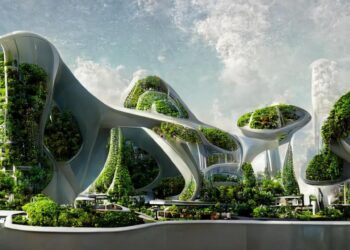






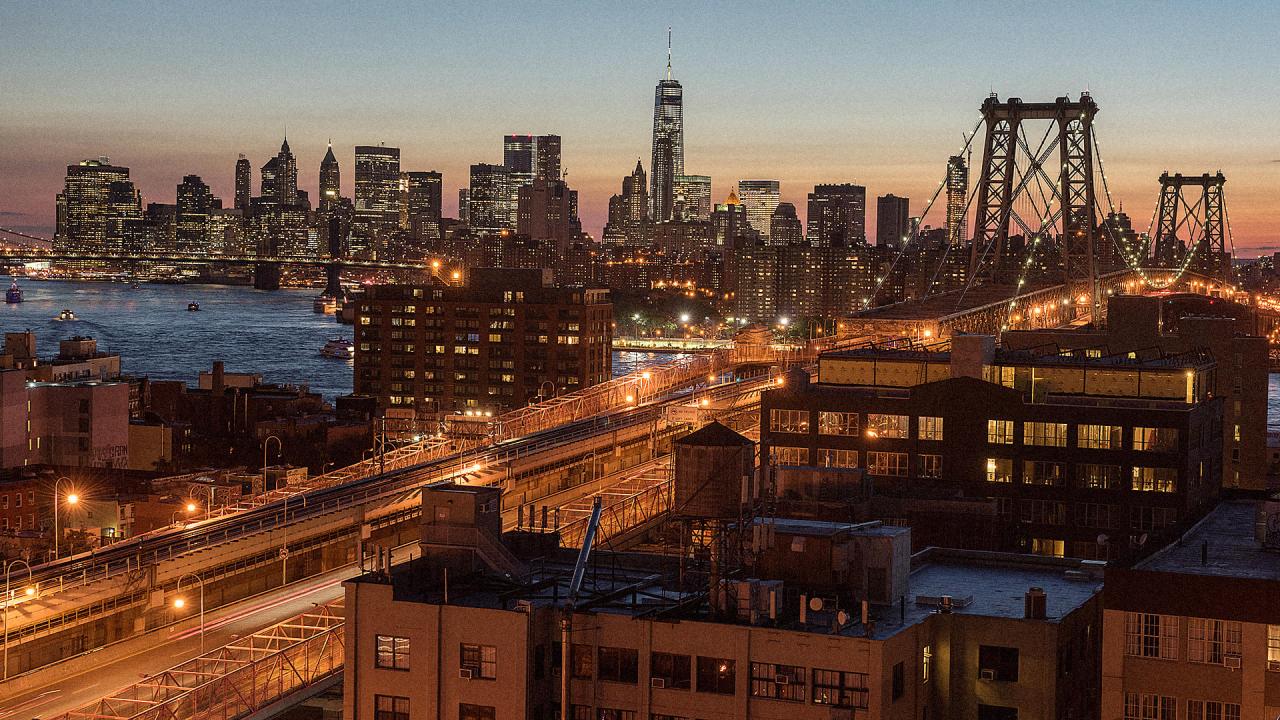

The architecture profession stands at the forefront of climate action, transforming buildings from carbon emitters to climate solutions. With the built environment responsible for 40% of global CO2 emissions, visionary architects worldwide are pioneering revolutionary approaches to sustainable design. This comprehensive 2,500-word guide explores the cutting-edge strategies, materials, and philosophies reshaping architecture’s role in planetary stewardship while meeting human needs.
A. The Urgent Climate Imperative for Architecture
- Startling Statistics
- Buildings consume 36% global energy
- Construction generates 30% raw material use
- Urban areas produce 75% CO2 emissions
- Architecture’s Pivotal Role
- Operational carbon (day-to-day energy use)
- Embodied carbon (construction materials/processes)
- Urban heat island mitigation
- Global Commitments
- AIA 2030 Challenge for carbon neutrality
- UN’s Net Zero Carbon Buildings Commitment
B. 5 Revolutionary Climate-Conscious Design Strategies
1. Carbon-Positive Buildings
- Generate more energy than consumed
- Integrate photovoltaic skin systems
- Case Study: Powerhouse Brattørkaia (Norway)
2. Circular Construction
- Modular designs for disassembly/reuse
- Material passports tracking components
- 100% recycled content buildings
3. Bioclimatic Architecture
- Site-specific passive design
- Ancient techniques meets modern tech
- Vernacular architecture revival
4. Urban Carbon Sinks
- Vertical forests and green roofs
- Mycelium-based structural elements
- Algae bioreactor facades
5. Resilient Retrofit Movement
- Transforming existing structures
- Deep energy renovations
- Heritage preservation meets efficiency
C. Climate-Fighting Materials Revolution
| Material | Carbon Impact | Innovative Uses |
|---|---|---|
| Cross-Laminated Timber | Stores 1 ton CO2/m³ | 80-story timber skyscrapers |
| Hempcrete | Carbon negative | Insulation, wall systems |
| Recycled Concrete | 60% less emissions | Structural applications |
| Aerogel | Super-insulation | Thin yet powerful barriers |
D. Overcoming Implementation Challenges
- Cost Barriers
- Lifecycle cost analysis tools
- Green financing innovations
- Regulatory Hurdles
- Updating outdated building codes
- Zoning law transformations
- Industry Resistance
- Education initiatives
- Proof-of-concept projects
- Material Limitations
- Supply chain development
- Performance testing protocols
E. The Future of Climate-Conscious Architecture
- AI-Driven Sustainable Design
- Generative design for optimal efficiency
- Real-time carbon calculation tools
- Living Building Materials
- Self-healing concrete
- Photosynthetic building skins
- Climate-Adaptive Structures
- Shape-shifting facades
- Flood-resilient foundations
- Social Equity Integration
- Affordable green housing
- Community-led design processes
Conclusion
Architects have transitioned from passive observers to active warriors in the climate battle. By marrying cutting-edge technology with ecological wisdom, the profession is demonstrating that beautiful, functional spaces can also be planetary medicine. The buildings of tomorrow aren’t just structures – they’re life-support systems for a warming world.
Tags: sustainable architecture, climate change solutions, green building design, carbon neutral construction, eco-friendly materials, resilient cities, bioclimatic design, circular economy buildings, net zero architecture, future cities