






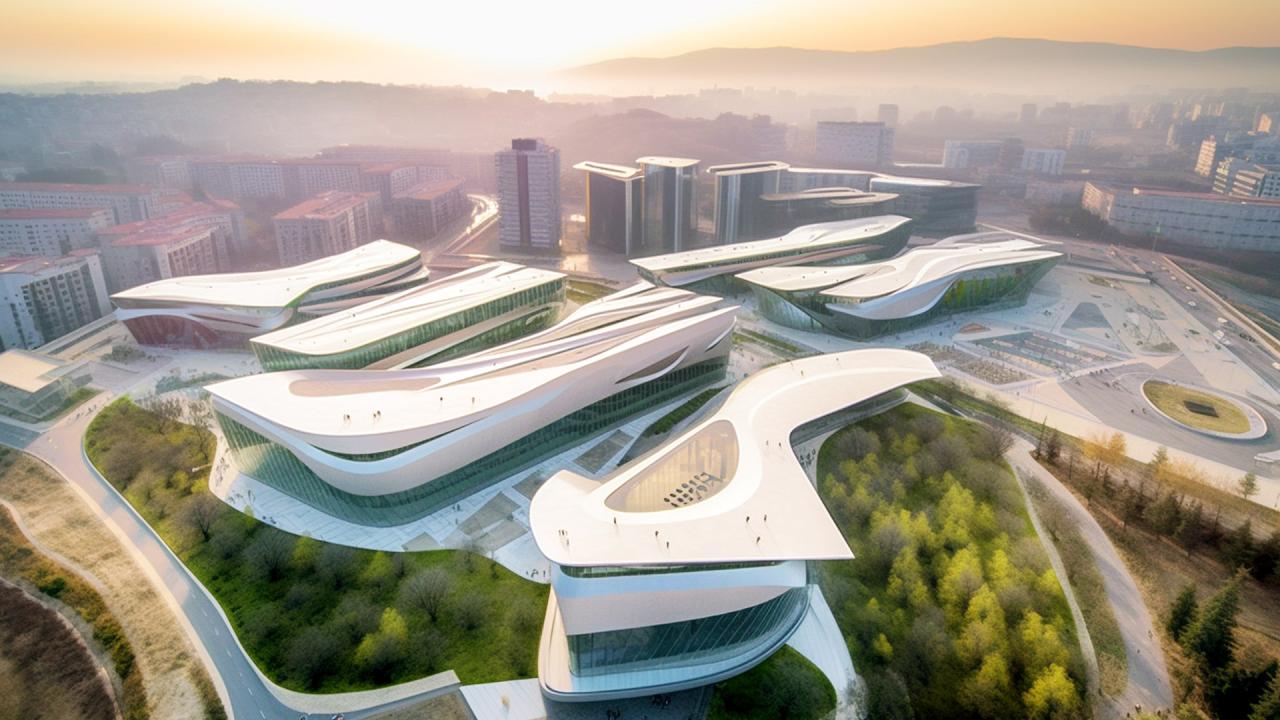

Artificial Intelligence (AI) is revolutionizing countless industries, and architecture is no exception. From automated design processes to sustainable urban planning, AI is reshaping how buildings are conceived, constructed, and maintained. This article explores the groundbreaking ways AI is transforming modern architecture, enhancing efficiency, creativity, and sustainability.
A. The Role of AI in Architectural Innovation
AI is not just a tool—it’s a game-changer in architectural design. Key contributions include:
- Generative Design – AI algorithms explore thousands of design variations based on input parameters, optimizing for aesthetics, functionality, and cost.
- Predictive Analysis – Machine learning forecasts structural integrity, energy efficiency, and material performance before construction begins.
- Automated Drafting – AI-powered software like AutoCAD and Revit accelerates blueprint creation, reducing human error.
- Virtual Reality (VR) & 3D Modeling – AI enhances immersive walkthroughs, allowing clients to experience designs in real-time.
B. AI-Driven Sustainable Architecture
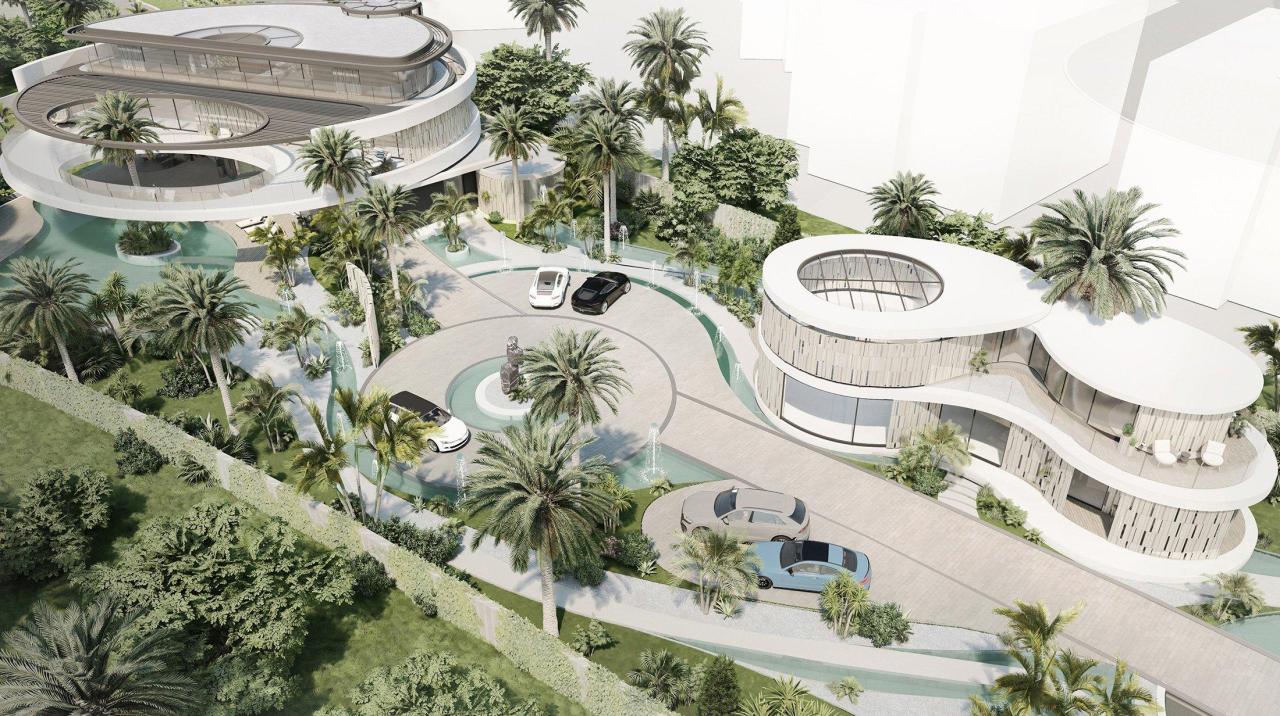
Sustainability is a top priority in modern architecture, and AI plays a crucial role:
1. Energy Efficiency Optimization
- AI analyzes climate data to design buildings that maximize natural light and ventilation.
- Smart HVAC systems adjust in real-time to reduce energy consumption.
2. Waste Reduction in Construction
- AI predicts material requirements, minimizing excess and cutting costs.
- Robotics and 3D printing reduce construction waste.
3. Green Urban Planning
- AI models simulate traffic flow, pollution dispersion, and green space allocation for eco-friendly cities.
C. AI in Smart Buildings and Automation
The rise of smart buildings is fueled by AI advancements:
- Adaptive Lighting & Climate Control – Sensors learn occupant behavior to optimize comfort and energy use.
- Predictive Maintenance – AI detects structural wear and tear before issues arise, preventing costly repairs.
- Enhanced Security – Facial recognition and anomaly detection improve building safety.
D. Challenges and Ethical Considerations
While AI offers immense benefits, challenges remain:
- Job Displacement – Automation may reduce demand for traditional drafting and design roles.
- Data Privacy – AI systems collecting occupant behavior data must ensure security.
- Bias in Algorithms – Training AI on diverse datasets prevents skewed design outcomes.
E. The Future of AI in Architecture
Emerging trends include:
- AI-Designed Skyscrapers – Algorithms creating ultra-efficient high-rises.
- Self-Healing Materials – AI-managed materials that repair cracks autonomously.
- Collaborative AI-Human Design – Architects using AI as a co-creator rather than just a tool.
Conclusion
AI is undeniably transforming architecture, making designs smarter, greener, and more efficient. As technology evolves, architects who embrace AI will lead the industry into a future where innovation knows no bounds.
Tags: AI in architecture, smart buildings, generative design, sustainable construction, future of architecture, AI urban planning, building automation, predictive maintenance, 3D modeling, green architecture