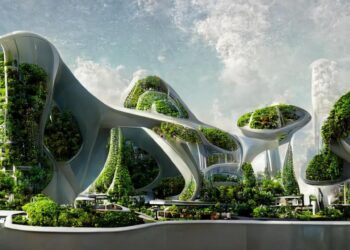







The architecture and construction industries are undergoing a radical transformation, thanks to artificial intelligence (AI). From automated design processes to energy-efficient smart buildings, AI is reshaping how structures are conceived, built, and maintained. This article explores the latest AI-driven innovations in building design, their benefits, challenges, and future possibilities.
A. The Role of AI in Modern Architecture
AI is no longer just a futuristic concept—it’s actively enhancing building design in multiple ways:
- Generative design – AI algorithms create optimized layouts based on parameters like space, materials, and environmental impact.
- Predictive analytics – Forecasts structural performance and potential maintenance issues before construction begins.
- Energy efficiency – Smart AI systems adjust lighting, heating, and cooling in real-time to minimize waste.
- Safety improvements – AI-powered sensors detect structural weaknesses and hazards.
This technological shift is making buildings smarter, safer, and more sustainable.
B. Key AI Technologies in Building Design
1. Generative Design Tools
A. How it works – AI processes thousands of design variations to find the most efficient solutions.
B. Benefits – Reduces material waste, lowers costs, and improves functionality.
C. Examples – Autodesk’s Dreamcatcher, TestFit.
2. Building Information Modeling (BIM) Enhanced by AI
A. Real-time collaboration – AI streamlines communication between architects, engineers, and contractors.
B. Error detection – Identifies design clashes before construction starts.
C. Cost estimation – Predicts expenses more accurately than traditional methods.
3. AI-Powered Smart Buildings
A. Automated climate control – Adjusts HVAC systems based on occupancy and weather.
B. Predictive maintenance – AI detects equipment failures before they occur.
C. Security enhancements – Facial recognition and anomaly detection improve safety.
4. Robotics and AI in Construction
A. 3D printing – AI-driven robots construct complex structures with precision.
B. Autonomous machinery – Self-operating cranes and bulldozers reduce labor risks.
C. Drones for site inspection – AI analyzes aerial data for progress tracking and safety checks.
5. Sustainability and AI
A. Energy optimization – AI reduces carbon footprints by managing power consumption.
B. Material selection – Recommends eco-friendly alternatives with lower environmental impact.
C. Waste reduction – AI predicts exact material quantities needed, minimizing excess.

C. Benefits of AI in Building Design
- Faster project completion – Automation speeds up planning and execution.
- Cost savings – Optimized designs reduce material and labor expenses.
- Enhanced safety – AI identifies risks before accidents happen.
- Improved sustainability – Energy-efficient designs lower long-term operational costs.
- Higher precision – AI eliminates human error in measurements and calculations.
D. Challenges and Limitations
Despite its advantages, AI in building design faces hurdles:
A. High initial costs – Implementing AI tools requires significant investment.
B. Data privacy concerns – AI systems rely on vast amounts of sensitive data.
C. Workforce adaptation – Architects and builders must learn new skills to use AI effectively.
D. Regulatory hurdles – Building codes may lag behind AI-driven innovations.
E. Future Trends in AI-Driven Architecture
- Self-healing materials – AI could enable buildings to repair cracks autonomously.
- Fully autonomous construction sites – Robots handling most labor-intensive tasks.
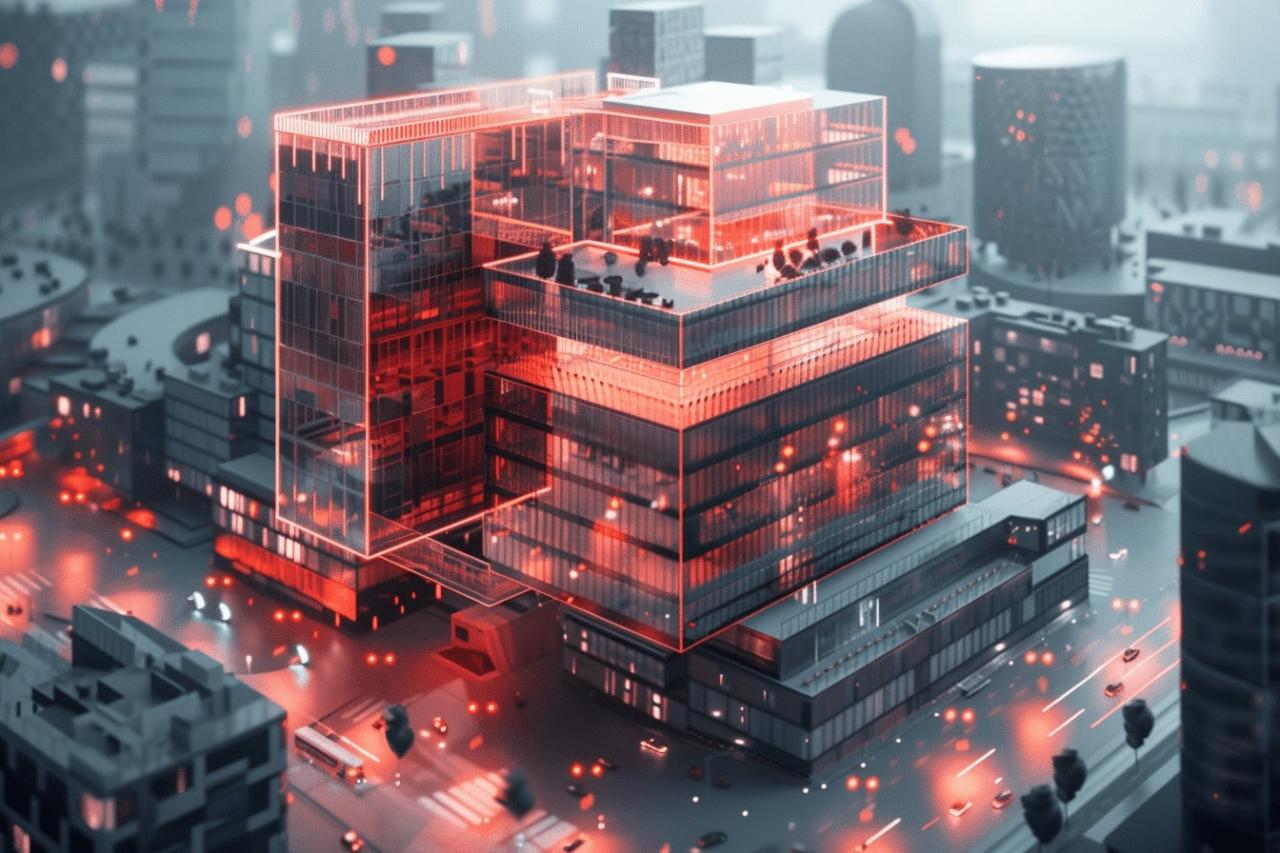
- AI-designed cities – Urban planning optimized for traffic, pollution, and livability.
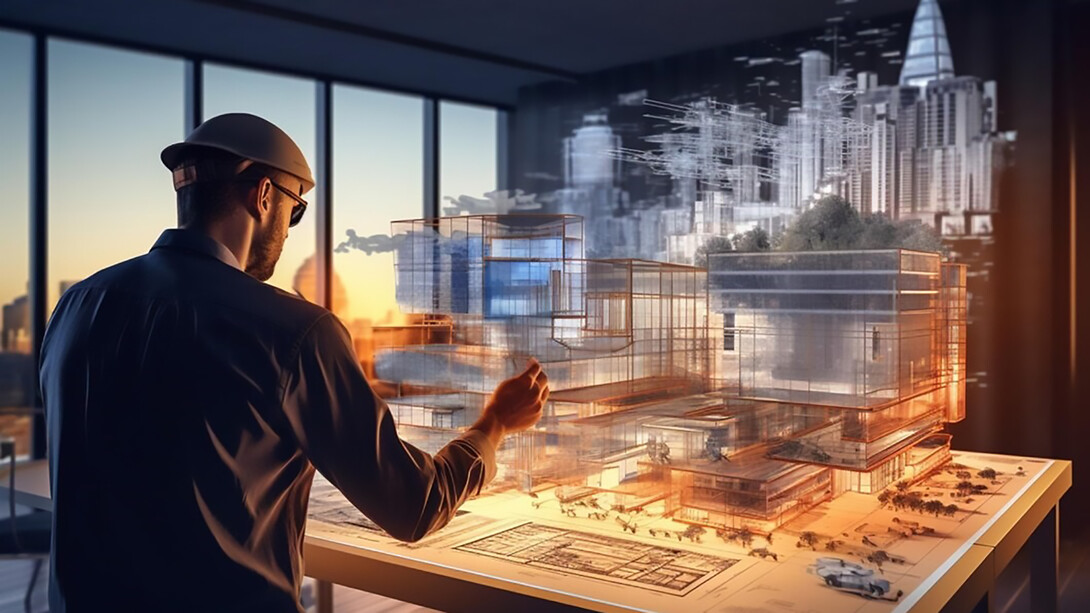
- Augmented reality (AR) integration – Architects using AR glasses to visualize AI-generated designs in real-time.
Conclusion
AI is revolutionizing modern building design by making it faster, smarter, and more sustainable. While challenges remain, the potential for AI to create safer, more efficient, and environmentally friendly structures is immense. As technology advances, we can expect even more groundbreaking innovations in architecture and construction.
Tags: AI in architecture, smart buildings, generative design, construction technology, sustainable design, BIM, AI robotics, future of construction, energy-efficient buildings, predictive maintenance