







The construction industry is undergoing a radical transformation through 3D printing technology. This innovative approach to building structures promises faster construction times, reduced costs, and groundbreaking architectural possibilities. From residential homes to commercial complexes, 3D printing is reshaping how we think about construction. This comprehensive guide explores the current applications, benefits, challenges, and future potential of 3D printing in the building sector.
A. The Fundamentals of Construction 3D Printing
1. How It Works
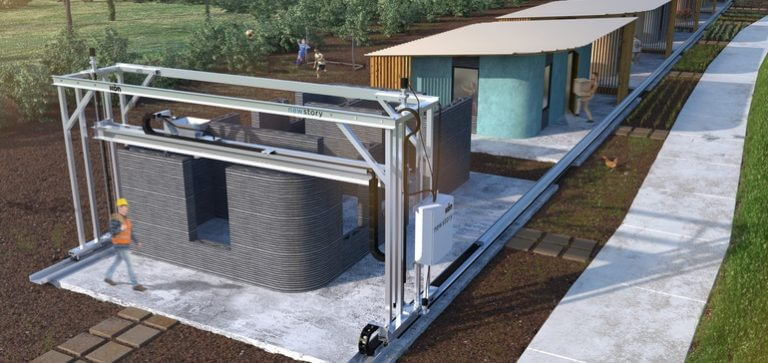
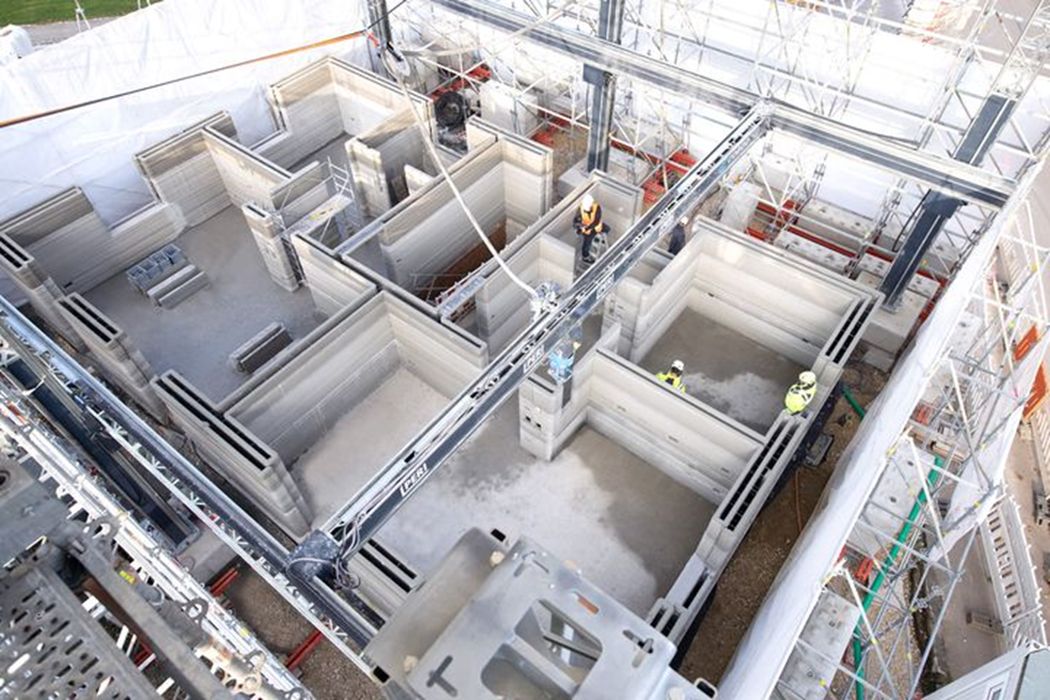
- Process Overview: Layer-by-layer deposition of construction materials
- Key Components:
- Gantry systems or robotic arms
- Specialized concrete mixtures
- CAD-based digital blueprints
2. Printing Technologies
| Technology | Description | Best For |
|---|---|---|
| Extrusion | Concrete deposition through nozzle | Walls, foundations |
| Powder Bonding | Binder applied to powder layers | Decorative elements |
| Additive Welding | Metal wire fusion | Structural frames |
B. Transformative Benefits of 3D Printed Construction
1. Economic Advantages
- 30-60% reduction in construction costs
- Up to 70% decrease in labor requirements
- Significant material waste reduction
2. Environmental Impact
- Sustainable Materials: Use of recycled composites
- Energy Efficiency: 50% less energy than traditional methods
- Carbon Footprint: Up to 30% lower emissions
3. Design Freedom
- Complex geometric structures impossible with conventional methods
- Customizable designs without additional costs
- Integrated architectural features (e.g., built-in conduits)
C. Current Applications Worldwide
1. Residential Projects
- Europe: First 3D printed neighborhood in Netherlands
- Middle East: Dubai’s goal for 25% 3D printed buildings by 2030
- North America: Affordable housing initiatives in Texas
2. Commercial Structures
- Office buildings in China
- Retail spaces in Germany
- Hotel complexes in Maldives
3. Infrastructure
- Bridges in Spain and Netherlands
- Emergency shelters in disaster zones
- Military barracks and installations
D. Technical Challenges and Solutions
1. Material Limitations
- Current Solutions:
- Fiber-reinforced concrete blends
- Polymer composites development
- Recycled material incorporation
2. Structural Integrity
- Testing Protocols:
- Compression strength evaluations
- Long-term durability studies
- Seismic performance simulations
3. Regulatory Hurdles
- Evolving building codes
- Certification processes
- Insurance considerations

E. The Future of 3D Printed Construction
1. Emerging Technologies
- Multi-material Printing: Simultaneous deposition of structural and functional elements
- On-Site Robotics: Autonomous mobile printers
- AI Integration: Real-time structural optimization
2. Potential Market Growth
- Projected $1.5 billion industry by 2027
- 45% CAGR in construction 3D printing sector
- Expanding applications in lunar and Martian construction
3. Industry Disruption
- Changing roles for construction professionals
- New business models in architecture
- Shift in material supply chains
F. Case Studies: Pioneering Projects
1. Europe’s First 3D Printed House
- Location: Belgium
- Construction time: 3 weeks
- Cost savings: 40% vs traditional methods
2. Dubai’s Office of the Future
- World’s first 3D printed office building
- 17-day construction period
- 50% labor cost reduction
3. Texas Affordable Housing Initiative
- 500 sq.ft. homes printed in 24 hours
- $4,000 construction cost per unit
- Addressing homelessness crisis
Conclusion
3D printing technology stands poised to revolutionize the construction industry, offering solutions to global housing shortages, environmental concerns, and architectural limitations. While challenges remain, the rapid advancements in materials science, robotics, and digital design suggest a future where 3D printed structures become commonplace. As the technology matures and gains wider acceptance, it may well redefine our built environment in ways we’re only beginning to imagine.
Tags: 3D printed construction, additive manufacturing, building innovation, construction technology, sustainable building, architectural 3D printing, future of construction, affordable housing, concrete printing, smart construction