





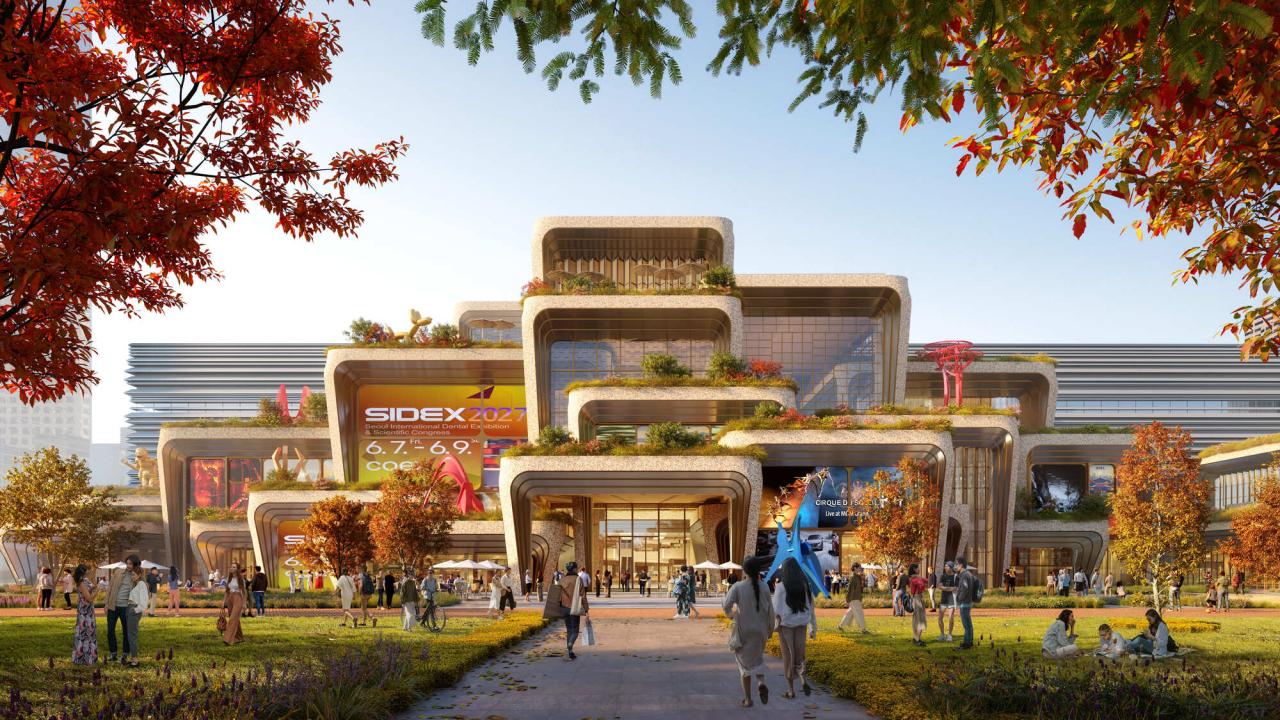
Heatherwick Studio, renowned for its innovative and human-centric design approach, has embarked on an ambitious project to transform Seoul’s iconic Coex Center. This bold redesign reimagines the urban landmark by infusing it with cutting-edge technology, sustainable strategies, and culturally sensitive aesthetics. In this comprehensive exploration, we delve into the project’s development, the design philosophy behind the transformation, the integration of smart technologies and sustainable practices, and the wider impact this project is expected to have on Seoul’s urban landscape and beyond.
In a rapidly evolving global urban environment, architecture plays a pivotal role in shaping the future of cities. The Coex Center in Seoul has long stood as a bustling hub of business, culture, and events, drawing millions of visitors every year. However, with growing demands for sustainable infrastructures, increased digital connectivity, and spaces that resonate with contemporary lifestyles, the need for a significant makeover became evident.
Heatherwick Studio’s involvement in the redesign of Coex Center marks a turning point that marries visionary design with practical urban solutions. The project is not merely about aesthetic enhancement; it is an integrated approach to improve functionality, community engagement, and environmental performance, while preserving the rich cultural heritage of Seoul. This article explores the multifaceted dimensions of the redesign, revealing how Heatherwick Studio’s distinctive creative process is poised to set a new benchmark for future urban developments.
Background: Coex Center and Heatherwick Studio
Coex Center: A Cultural and Commercial Icon
The Coex Center has been a landmark in Seoul for decades, known for hosting international conferences, exhibitions, and cultural events. Its presence has significantly contributed to the city’s reputation as a vibrant, cosmopolitan metropolis. Key historical points include:
-
Historical Significance:
Originally constructed to support the commercial and cultural activities of the region, the Coex Center has evolved alongside Seoul’s dynamic urban growth. -
Economic and Social Hub:
With facilities such as exhibition halls, conference centers, and entertainment venues, Coex has served as a melting pot where business, culture, and community converge. -
Architectural Legacy:
Although its design has served its purpose for many years, the building now faces challenges common to aging infrastructures—ranging from energy inefficiency to a need for digital integration and reimagined spatial functionalities.
Heatherwick Studio: A Visionary Force
Heatherwick Studio, led by visionary designer Thomas Heatherwick, is celebrated for its inventive approach and commitment to creating spaces that enhance human experience. The studio’s portfolio is a testament to its ability to integrate art, technology, and function in transformative ways. Notable contributions of Heatherwick Studio include:
-
Innovative Design Philosophy:
The studio is renowned for its belief that architecture should be an interactive experience—one that adapts to and engages with its environment and its users. -
Sustainable and Adaptable Solutions:
With an emphasis on environmentally friendly and resource-efficient designs, the studio consistently pushes the boundaries of sustainable architecture. -
Cultural Sensitivity:
Every project undertaken by Heatherwick Studio reflects a deep understanding of local context. Their designs respect and celebrate the cultural and historical narratives of the location, ensuring the final product resonates on both a global and local scale.
Concept and Design Philosophy
The redesign of Coex Center represents a synthesis of tradition and modernity. Heatherwick Studio’s approach is built on the core belief that urban structures must evolve to meet the changing needs of society without losing their identity. The project emphasizes creating spaces that are not only visually impressive but also intuitively functional and environmentally responsible.
A. Vision for the New Coex Center
Heatherwick Studio’s vision for the redesigned Coex Center revolves around several key ideas:
-
A.1. Harmonizing Tradition with Modernity:
The studio aims to integrate Seoul’s rich cultural history with contemporary design elements, ensuring that the building continues to serve as a cultural beacon while embracing modern functions. -
A.2. Enhancing Urban Connectivity:
One of the major objectives is to improve the connectivity between the Coex Center and its surrounding urban environment. This involves creating seamless transitions between indoor and outdoor spaces, integrating public transport access, and enhancing pedestrian pathways. -
A.3. Emphasizing Sustainability:
Given the global push for eco-friendly practices, a significant portion of the redesign is focused on energy efficiency, waste reduction, and the use of sustainable materials. The design intends to minimize environmental impact while maximizing performance. -
A.4. Enabling Digital Transformation:
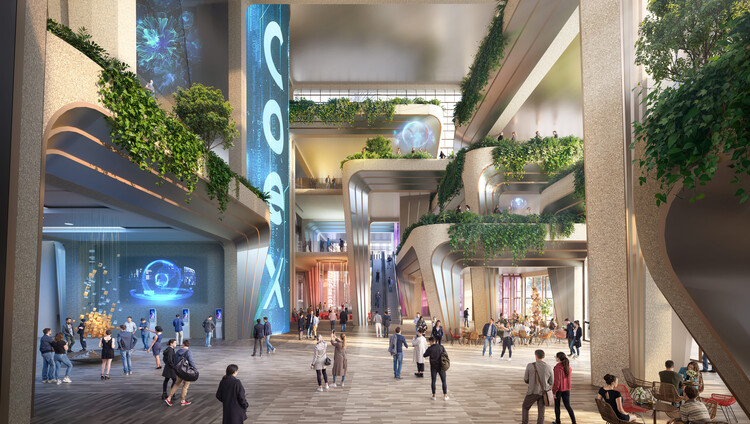
In today’s smart-city era, the integration of digital technologies is essential. The new design will incorporate interactive systems, digital signage, and real-time data analytics to improve the building’s operational efficiency and create a dynamic experience for visitors.
B. Design Principles and Approach
The design process is guided by a set of principles that reflect Heatherwick Studio’s commitment to innovation and quality:
-
B.1. User-Centric Design:
A central tenet is the creation of spaces that cater to the diverse needs of its users. From business travelers and event-goers to local community members, the redesign aims to create an inclusive environment that enhances user experience. -
B.2. Flexibility and Adaptability:
The redesigned Coex Center will feature multifunctional spaces that can transform to serve various purposes. Whether hosting a global conference or a local cultural festival, the layout is designed to adapt to changing requirements. -
B.3. Integration of Nature:
Incorporating green spaces into urban architecture not only enhances aesthetics but also improves air quality and provides psychological benefits. The project places significant emphasis on blending natural elements with built structures. -
B.4. Emphasis on Transparency and Light:
Maximizing natural light and creating transparent facades are key elements in enhancing spatial quality. By allowing natural elements to permeate the building, the design fosters a sense of openness and fluidity. -
B.5. Technological Infusion:
The project employs advanced digital tools for visualization and simulation, enabling precise planning and the integration of smart building technologies that ensure efficient management and maintenance.
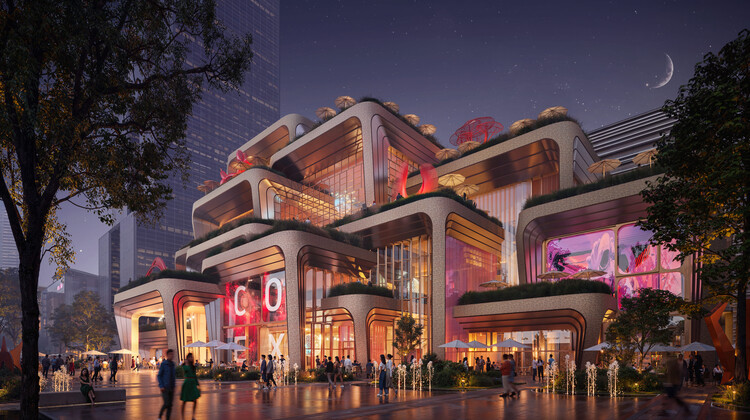
Key Features of the Redesign
Heatherwick Studio’s redesign of Coex Center incorporates several innovative features designed to redefine the building’s operational efficiency and cultural significance.
A. Architectural Innovation
-
A.1. Fluid Spatial Connectivity:
The redesign introduces a network of interconnected spaces that facilitate smooth transitions between different zones. This approach creates a cohesive environment where various functions blend into one another. -
A.2. Dynamic Facade Systems:
The exterior of the building is reimagined with adaptive facade panels capable of changing their configuration in response to weather, sunlight, and occupancy levels. This not only improves energy efficiency but also adds a layer of dynamic visual interest. -
A.3. Modular Interior Elements:
Inside the building, moveable partitions and adaptable modules allow for reconfiguration based on the needs of specific events. This modularity ensures that the Coex Center remains versatile and future-proof.
B. Sustainability and Environmental Efficiency
-
B.1. Energy-Efficient Systems:
To reduce the building’s carbon footprint, the redesign includes state-of-the-art energy management systems such as advanced HVAC systems, LED lighting, and automated energy controls. -
B.2. Green Roofs and Vertical Gardens:
To enhance the building’s connection with nature, extensive green roofs and vertical gardens are integrated into the design. These features not only improve insulation but also provide urban biodiversity and recreational spaces. -
B.3. Renewable Energy Integration:
Solar panels and wind turbines are incorporated into the structural design to harness renewable energy. An intelligent energy distribution system ensures that energy harvested is efficiently utilized, contributing to the building’s self-sustainability. -
B.4. Sustainable Material Usage:
The use of eco-friendly and locally sourced materials is prioritized, reducing the environmental impact associated with transportation and production. Materials with high durability and low maintenance requirements have been chosen for long-term efficiency.
C. Smart Technologies and Digital Integration
-
C.1. Interactive Digital Interfaces:
Visitors can interact with digital kiosks and smart displays that provide real-time information about the building’s energy usage, upcoming events, and environmental conditions. These interfaces serve as educational tools, promoting sustainability practices. -
C.2. Advanced Building Management System (BMS):
A sophisticated BMS monitors and regulates every aspect of the building’s operations—from climate control and lighting to security systems—ensuring optimal performance at all times. -
C.3. Data-Driven Operational Efficiency:
Through the integration of IoT devices and sensors, a continuous stream of data is collected and analyzed. This data not only informs operational decisions but also helps predict maintenance needs and optimize resource allocation.
D. Cultural and Community Impact
-
D.1. Public Engagement Spaces:
New public areas are being designed within the Coex Center to host cultural events, community gatherings, and art installations. These spaces are intended to foster a sense of community and cultural exchange. -
D.2. Integration of Local Art and Heritage:
The design will incorporate elements that pay homage to Seoul’s rich cultural heritage, including public art installations by local artists, traditional motifs, and references to historical narratives. -
D.3. Educational and Innovation Hubs:
Part of the redesigned space is dedicated to fostering innovation and education. This includes collaborative workspaces, exhibition areas for tech startups, and lecture halls where experts can share insights on sustainability and future urban trends.
Sustainable Design and Urban Integration
The redesign of Coex Center is a testament to how sustainable design can be seamlessly integrated into urban regeneration projects. The project champions a multi-layered approach that not only enhances environmental performance but also revitalizes the urban fabric of Seoul.
A. Urban Connectivity and Transit Integration
-
A.1. Enhanced Transportation Access:
By creating better connectivity with Seoul’s extensive public transportation network, the redesigned Coex Center is positioned as a vital node in the city’s mobility framework. This involves improved pedestrian pathways, bike lanes, and proximity to transit hubs. -
A.2. Smart Transit Hubs:
The project envisions the integration of smart transit hubs at strategic points, where digital displays provide real-time updates about transport options, reducing commuter stress and promoting the use of public transportation.
B. Community-Centric Urban Spaces
-
B.1. Public Plaza and Green Spaces:
Large, open public plazas enriched with green spaces are incorporated into the design, offering a refreshing counterpoint to the urban density of central Seoul. These plazas serve as communal areas for recreation, cultural events, and social gatherings. -
B.2. Commercial and Recreational Synergy:
By merging commercial activities with recreational and cultural venues, the Coex Center redesign creates a multifunctional environment that caters to diverse urban lifestyles. This synergy is essential for fostering a vibrant urban community that thrives on both economic and cultural interactions.
C. Environmental Resilience and Adaptive Infrastructure
-
C.1. Climate-Responsive Design:
The architectural interventions are designed to be resilient in the face of climate challenges. Advanced simulation tools were used to model weather patterns and environmental stresses, ensuring that design elements perform effectively under varying conditions. -
C.2. Resource Optimization:
Energy, water, and waste management systems have been rethought to optimize resource consumption. Intelligent sensors track resource usage, enabling adaptive measures that reduce waste and conserve natural resources. -
C.3. Future-Proof Infrastructure:
By anticipating future urban and environmental challenges, the redesigned Coex Center is built to evolve. Modular design elements, smart technologies, and flexible spatial configurations ensure that the building can adapt to emerging trends and needs.
Technological Innovations Driving the Redesign
A key hallmark of this project is the deep integration of advanced technologies, which enhances both the functionality and experiential quality of the building.
A. Building Information Modeling (BIM)
-
A.1. Precise Planning and Simulation:
Using BIM technologies, architects and engineers have created highly detailed simulations of the Coex Center. This approach allows for precise planning, risk mitigation, and the seamless integration of various design components. -
A.2. Collaborative Design Process:
BIM facilitates real-time collaboration among multiple stakeholders, ensuring that the design process is efficient and that all technical specifications are met.
B. Internet of Things (IoT) Applications
-
B.1. Sensor Networks:
IoT sensors installed throughout the building continuously monitor environmental conditions, such as temperature, humidity, and air quality. This data is leveraged to optimize building performance in real time. -
B.2. Automated Response Systems:
Intelligent systems automatically adjust lighting, heating, and ventilation based on sensor data, ensuring energy efficiency and a comfortable environment for all occupants.
C. Augmented and Virtual Reality (AR/VR)
-
C.1. Immersive Visualization:
AR and VR technologies play a vital role in both the design and visitor engagement stages. During the planning phase, these tools allow designers to visualize complex interactions between spaces. For visitors, interactive AR installations provide immersive educational experiences about the building’s sustainability features. -
C.2. Enhanced Visitor Experience:
Digital walkthroughs, interactive exhibits, and augmented information displays enrich the visitor experience, allowing for a dynamic exploration of architectural and environmental narratives.
Cultural and Economic Impact on Seoul
The redesign of the Coex Center is not just an isolated architectural intervention—it represents an opportunity to transform urban life and stimulate economic growth in Seoul.
A. Revitalizing a Landmark
-
A.1. Cultural Renewal:
The updated Coex Center is set to become a hub for cultural exchange and innovation. By incorporating spaces that celebrate Seoul’s historical legacy and contemporary art, the project rejuvenates a critical urban landmark. -
A.2. Attraction and Tourism:
With its blend of futuristic design and sustainable practices, the Coex Center is expected to attract international tourists and cultural enthusiasts. This influx will not only bolster local commerce but also reinforce Seoul’s reputation as a leading global city.
B. Stimulating Local Business
-
B.1. Economic Revitalization:
By providing versatile spaces for events, exhibitions, and business functions, the new Coex Center catalyzes local entrepreneurship and commerce. The facility is designed to host conferences, trade shows, and cultural festivals, thereby generating significant economic activity. -
B.2. Creating Job Opportunities:
The redesign project has spurred job creation in architecture, construction, technology, and event management. These opportunities contribute positively to the local economy and provide long-term career prospects for residents.
C. Fostering Innovation and Education
-
C.1. Innovation Hubs:
Part of the facility is earmarked for incubators and start-up centers that focus on technological innovation and sustainable practices. Such initiatives encourage collaboration between academic institutions, local businesses, and global experts. -
C.2. Educational Outreach Programs:
The center will serve as a platform for workshops, lectures, and seminars that educate the public about sustainability, digital technologies, and contemporary design. These programs are vital for nurturing the next generation of innovators and creative thinkers.
Future Perspectives and Global Influence
Heatherwick Studio’s redesign of the Coex Center sets a precedent for future urban redevelopment projects. It exemplifies how blending architectural innovation with sustainability and digital integration can create transformative urban spaces.
A. Blueprint for Future Urban Centers
-
A.1. Scalable Design Strategies:
The ideas and technologies implemented at the Coex Center can be adapted and scaled to other major urban centers. This blueprint emphasizes a shift toward eco-friendly, digitally connected, and culturally vibrant urban spaces. -
A.2. Holistic Urban Regeneration:
The project underlines the importance of addressing not just the physical infrastructure, but also the social and economic frameworks that support urban life. This holistic approach can lead to more resilient and inclusive cities.
B. International Collaborations and Cultural Exchange
-
B.1. Global Architectural Trends:
As other cities worldwide face challenges of sustainability and urban overcrowding, the innovative solutions showcased at the Coex Center offer valuable lessons. Cities in Europe, North America, and Asia can draw inspiration from this project to reimagine their own landmarks. -
B.2. Cross-Cultural Dialogue:
The interplay of technology, art, and sustainable design fosters global dialogue. International exhibitions, conferences, and collaborative projects help disseminate best practices and encourage the cross-pollination of ideas.
C. Long-Term Impact on Architecture and Urban Planning
-
C.1. Redefining Success Metrics:
Beyond traditional financial indicators, the success of the new Coex Center will be measured by its social, environmental, and cultural impact. This shift in perspective is crucial for future urban planning and architectural achievements. -
C.2. Inspiring Future Generations:
By creating a dynamic, engaging, and sustainable public space, the project aims to inspire architects, designers, and urban planners to continue pushing boundaries. The lessons learned from this redesign will likely influence how future generations approach the challenges of urbanization and environmental stewardship.
Conclusion
Heatherwick Studio’s transformative redesign of Seoul’s Coex Center encapsulates a forward-thinking synthesis of innovation, sustainability, and cultural reverence. The project redefines the potential of urban spaces by integrating advanced digital technologies, environmentally responsible practices, and design elements that honor both local heritage and global aspirations.
By creating a structure that is versatile, smart, and adaptable, the new Coex Center is poised to become a benchmark for future urban redevelopment initiatives. It illustrates how architecture can serve as a catalyst for social change, economic revitalization, and environmental stewardship in an increasingly interconnected world.
As cities continue to evolve in response to the challenges of climate change, rapid urbanization, and technological disruption, projects like this set a new standard. They remind us that the future of urban life depends on our ability to merge beauty with functionality, innovation with tradition, and sustainability with cultural identity.
The comprehensive integration of smart building management systems, renewable energy sources, interactive digital interfaces, and community-focused spaces in the Coex Center marks a monumental step toward the realization of a harmonious urban ecosystem. This project not only revitalizes a historical landmark but also offers a visionary glimpse into the future of global cityscapes.
By embracing the principles of sustainable design, digital innovation, and inclusive cultural expression, the redesigned Coex Center will undoubtedly inspire future projects and urban policies, both in Seoul and internationally. As the building stands as a testimony to the potential of thoughtful, human-centric architecture, it reinforces the idea that every structure can be a living, breathing part of a city’s ongoing narrative.