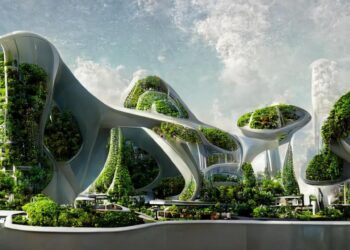







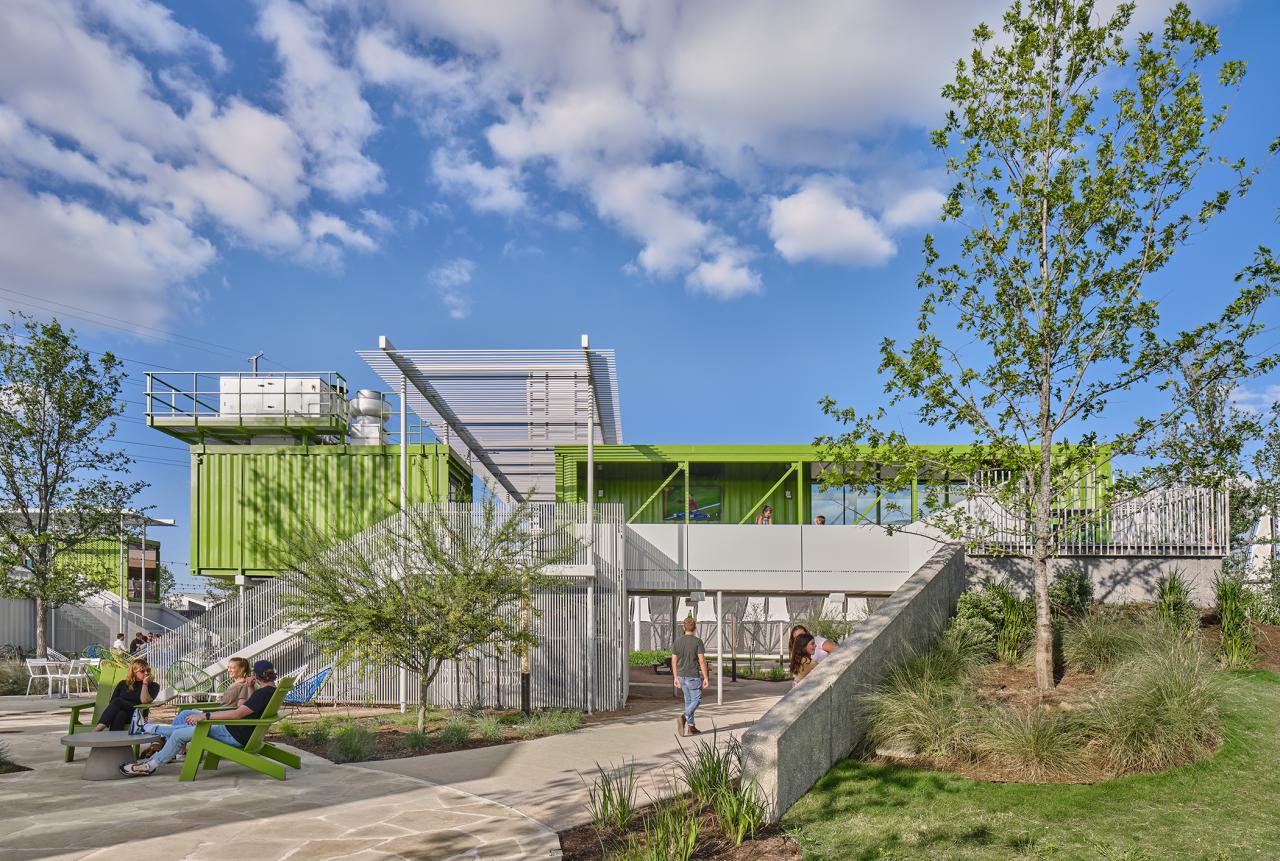
The concept of futuristic homes is no longer confined to science fiction. With rapid advancements in technology, architecture, and sustainable design, homes of the future are becoming a reality today. These innovative living spaces prioritize automation, energy efficiency, and cutting-edge aesthetics, transforming the way we live.

In this comprehensive guide, we explore the latest trends in futuristic homes, their key features, and how they are redefining modern living.
A. Key Features of Futuristic Homes
Futuristic homes integrate smart technology, eco-friendly materials, and avant-garde design to create highly functional and visually stunning living spaces. Below are the most prominent features:
1. Smart Home Automation
The backbone of futuristic homes is automation. From voice-controlled lighting to AI-powered security systems, smart homes offer unparalleled convenience.
- Voice Assistants: Devices like Amazon Alexa and Google Home control appliances, thermostats, and entertainment systems.
- Automated Security: Facial recognition, smart locks, and 24/7 surveillance enhance safety.
- Self-Regulating Systems: AI adjusts temperature, lighting, and energy usage based on occupancy.
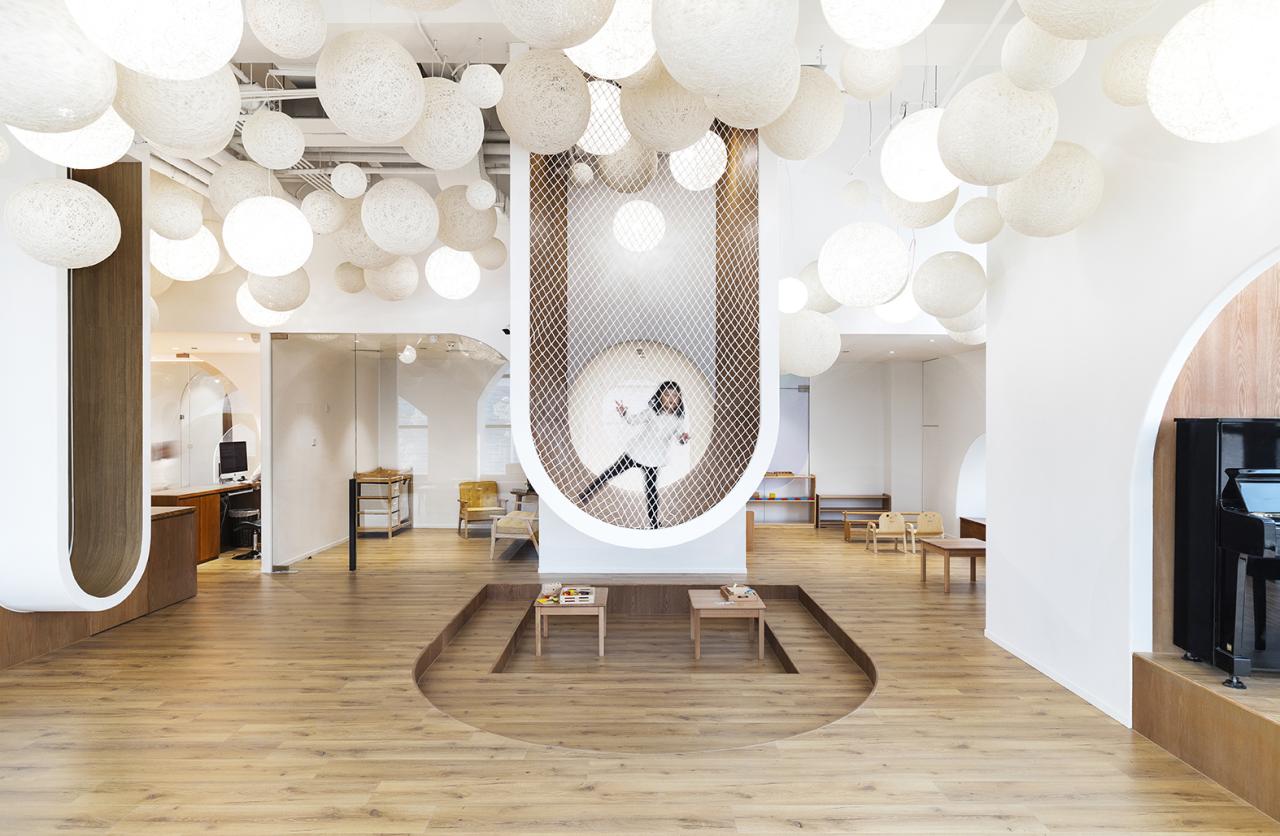
2. Sustainable and Eco-Friendly Design
Future homes prioritize sustainability through renewable energy and recycled materials.
- Solar Panels & Wind Turbines: Reduce reliance on traditional power grids.
- Green Roofs & Walls: Improve insulation and air quality while reducing urban heat.
- Rainwater Harvesting: Conserves water by recycling it for irrigation and plumbing.
3. Modular and Prefabricated Construction
Prefab homes are gaining popularity due to their cost-efficiency and rapid construction.
- Customizable Designs: Homeowners can modify layouts easily.
- Faster Build Times: Pre-assembled components reduce construction duration.
- Lower Carbon Footprint: Reduced waste and energy use during assembly.
4. Biophilic Design (Nature Integration)
Futuristic homes blend indoor and outdoor spaces to enhance well-being.
- Large Glass Walls: Maximize natural light and outdoor views.
- Indoor Gardens: Improve air quality and mental health.
- Natural Materials: Wood, stone, and bamboo create a calming atmosphere.
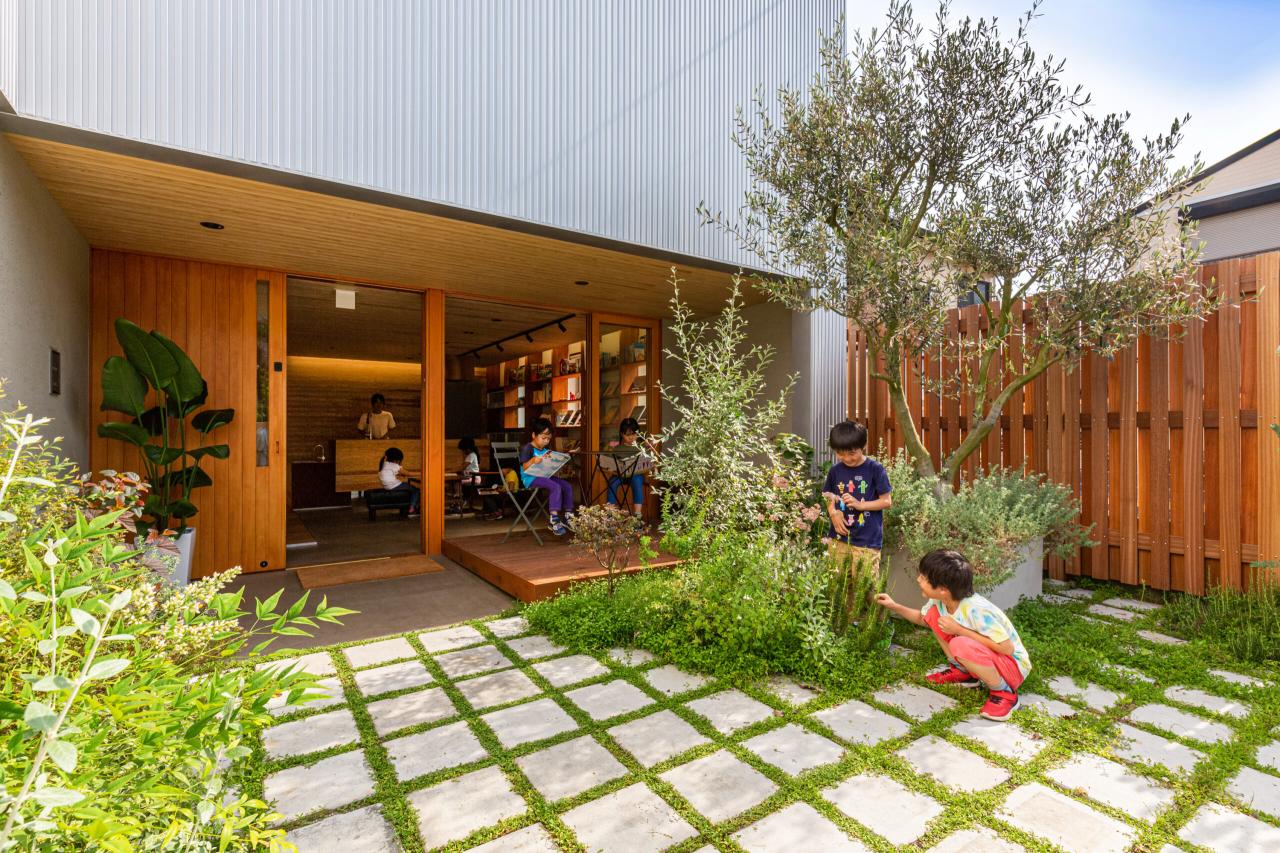
5. Self-Sufficient and Off-Grid Capabilities
Advanced homes can operate independently from municipal utilities.
- Energy Storage: Tesla Powerwall and similar batteries store solar energy.
- Hydroponic Farming: Grow food indoors without soil.
- Waste-to-Energy Systems: Convert organic waste into usable power.
B. Innovative Futuristic Home Concepts
Several groundbreaking home designs are pushing the boundaries of modern architecture.
1. 3D-Printed Homes
- Built in days instead of months.
- Cost-effective and customizable.
- Reduces construction waste significantly.
2. Floating and Underwater Houses
- Designed for coastal and aquatic environments.
- Use marine-grade materials to withstand water pressure.
- Ideal for sustainable ocean living.
3. Smart Glass Houses
- Glass that tints automatically for privacy and temperature control.
- Energy-efficient and aesthetically striking.
4. Underground and Earth-Sheltered Homes
- Naturally insulated, reducing heating and cooling costs.
- Blends seamlessly with natural landscapes.
5. Tiny Homes with High-Tech Features
- Compact yet fully automated.
- Ideal for minimalists and eco-conscious individuals.
C. The Role of AI in Future Homes
Artificial Intelligence (AI) is revolutionizing home functionality.
1. Predictive Maintenance
- AI detects plumbing leaks or electrical faults before they worsen.
2. Personalized Living Experience
- Learns user preferences for lighting, temperature, and entertainment.
3. Enhanced Security
- AI-powered cameras distinguish between residents and intruders.
D. Challenges and Considerations
While futuristic homes offer numerous benefits, there are challenges:
1. High Initial Costs
- Advanced technology and materials can be expensive.
2. Privacy Concerns
- Smart devices may collect excessive user data.
3. Maintenance Complexity
- High-tech systems require specialized technicians.
E. The Future of Residential Living
As technology evolves, homes will become even smarter, more sustainable, and highly adaptable. The integration of AI, renewable energy, and innovative construction methods will shape the next generation of housing.
Final Thoughts
Futuristic homes are no longer a distant dream—they are here, transforming modern living with unparalleled efficiency, sustainability, and style. Whether through smart automation, eco-friendly designs, or revolutionary construction techniques, these homes represent the future of residential spaces.