






The way we design and build homes is evolving rapidly, driven by technology, sustainability, and changing lifestyles. Future-proof homes are not just about aesthetics—they prioritize energy efficiency, smart automation, and adaptable living spaces. In 2024, homeowners and builders are embracing innovative trends that ensure longevity, comfort, and eco-friendliness. This article explores the most impactful design trends shaping the homes of tomorrow.
A. Sustainable and Eco-Friendly Designs
Sustainability is no longer optional—it’s a necessity. Future-proof homes in 2024 integrate eco-conscious materials and energy-saving solutions.
1. Solar-Powered Homes
Solar panels are becoming more efficient and affordable, reducing reliance on traditional energy sources.
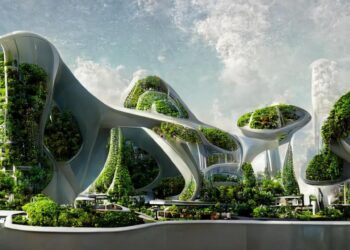
2. Green Roofing and Walls
Living roofs and vertical gardens improve insulation, reduce urban heat, and enhance air quality.
3. Recycled and Low-Impact Materials
Bamboo flooring, reclaimed wood, and recycled steel minimize environmental footprints.
4. Passive House Design
Homes built with superior insulation and airtight construction reduce heating/cooling costs by up to 90%.
B. Smart Home Technology Integration
Automation and AI are transforming homes into intuitive, self-regulating spaces.
1. AI-Powered Home Assistants
Voice-controlled systems like Google Home and Alexa manage lighting, security, and appliances seamlessly.
2. Energy Monitoring Systems
Smart meters track electricity and water usage, helping homeowners optimize consumption.
3. Automated Security Features
Facial recognition, smart locks, and 24/7 surveillance enhance safety without compromising convenience.
4. Self-Healing Concrete
Innovative materials repair cracks automatically, extending structural durability.
C. Flexible and Multi-Functional Spaces
With remote work and hybrid lifestyles, homes must adapt to various needs.
1. Convertible Rooms
Sliding walls and modular furniture allow spaces to shift from offices to guest rooms effortlessly.
2. Outdoor Living Extensions
Decks, patios, and rooftop gardens serve as additional living and workspaces.
3. Home Gyms and Wellness Zones
Dedicated spaces for fitness and meditation promote a healthier lifestyle.
D. Health-Centric Design Elements
Well-being is a top priority in future-proof homes.
1. Air Purification Systems
Advanced HVAC systems with HEPA filters remove allergens and pollutants.
2. Non-Toxic Paints and Finishes
Low-VOC materials prevent indoor air pollution.
3. Circadian Lighting
Smart lighting adjusts to natural rhythms, improving sleep and productivity.
E. Resilient and Disaster-Proof Structures
Climate change demands homes that withstand extreme weather.
1. Flood-Resistant Foundations
Elevated designs and waterproof materials prevent water damage.
2. Fire-Resistant Exteriors
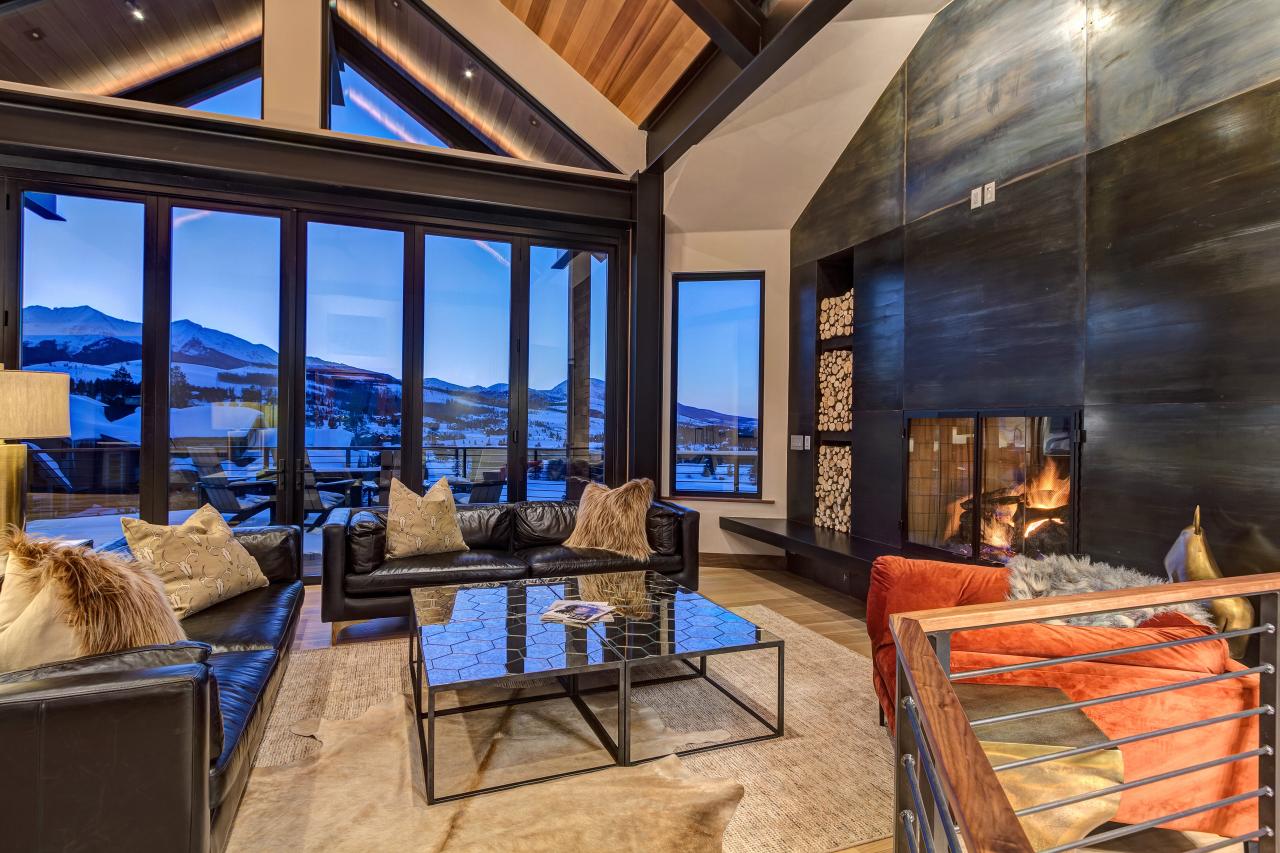
Non-combustible materials like metal roofing and stone siding enhance safety.
3. Earthquake-Resistant Construction
Flexible building techniques reduce structural damage during seismic activity.
F. Minimalist and Biophilic Aesthetics
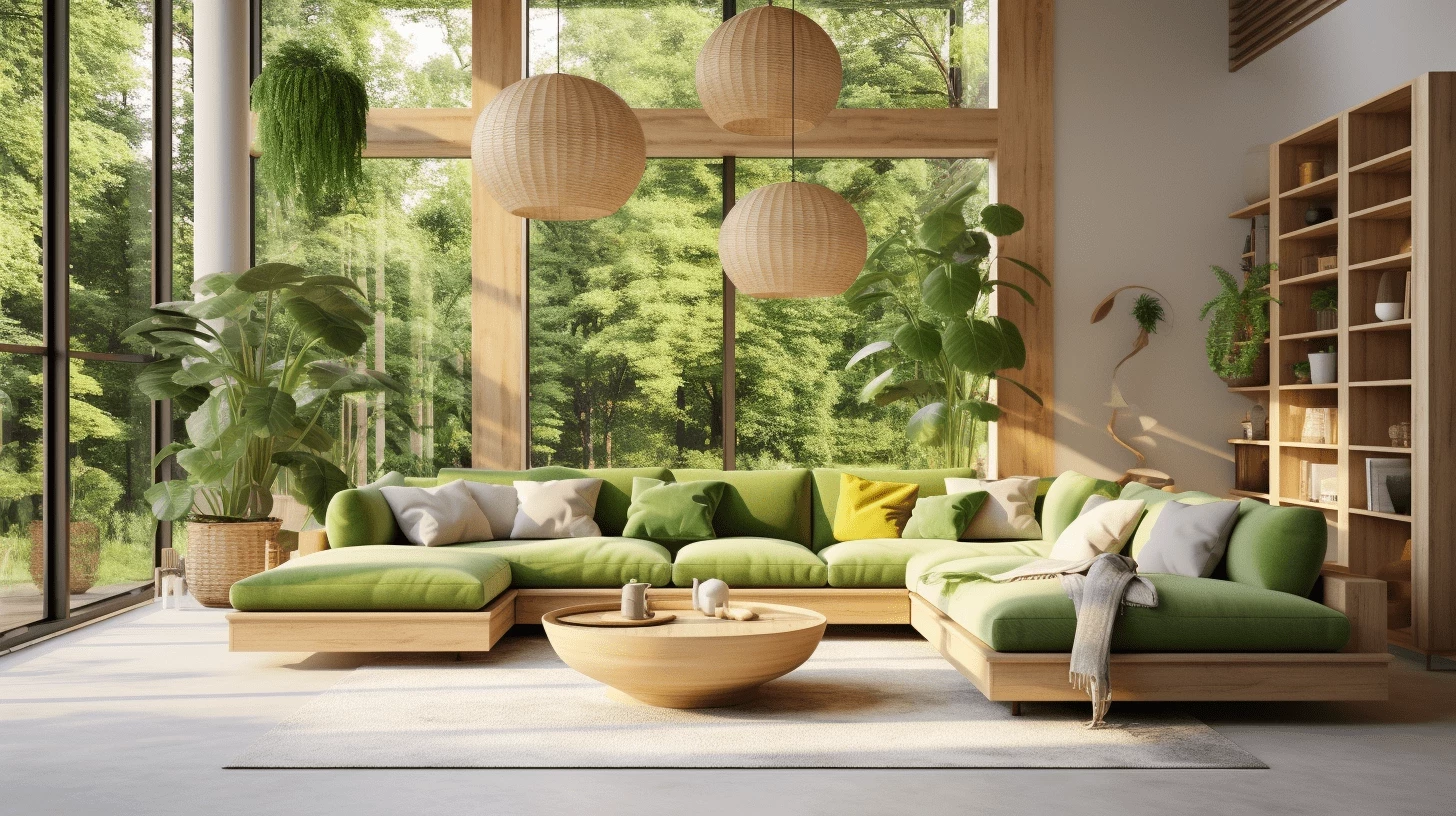
Less clutter and more nature-inspired designs dominate 2024 trends.
1. Neutral and Earthy Color Palettes
Warm tones and natural textures create calming environments.
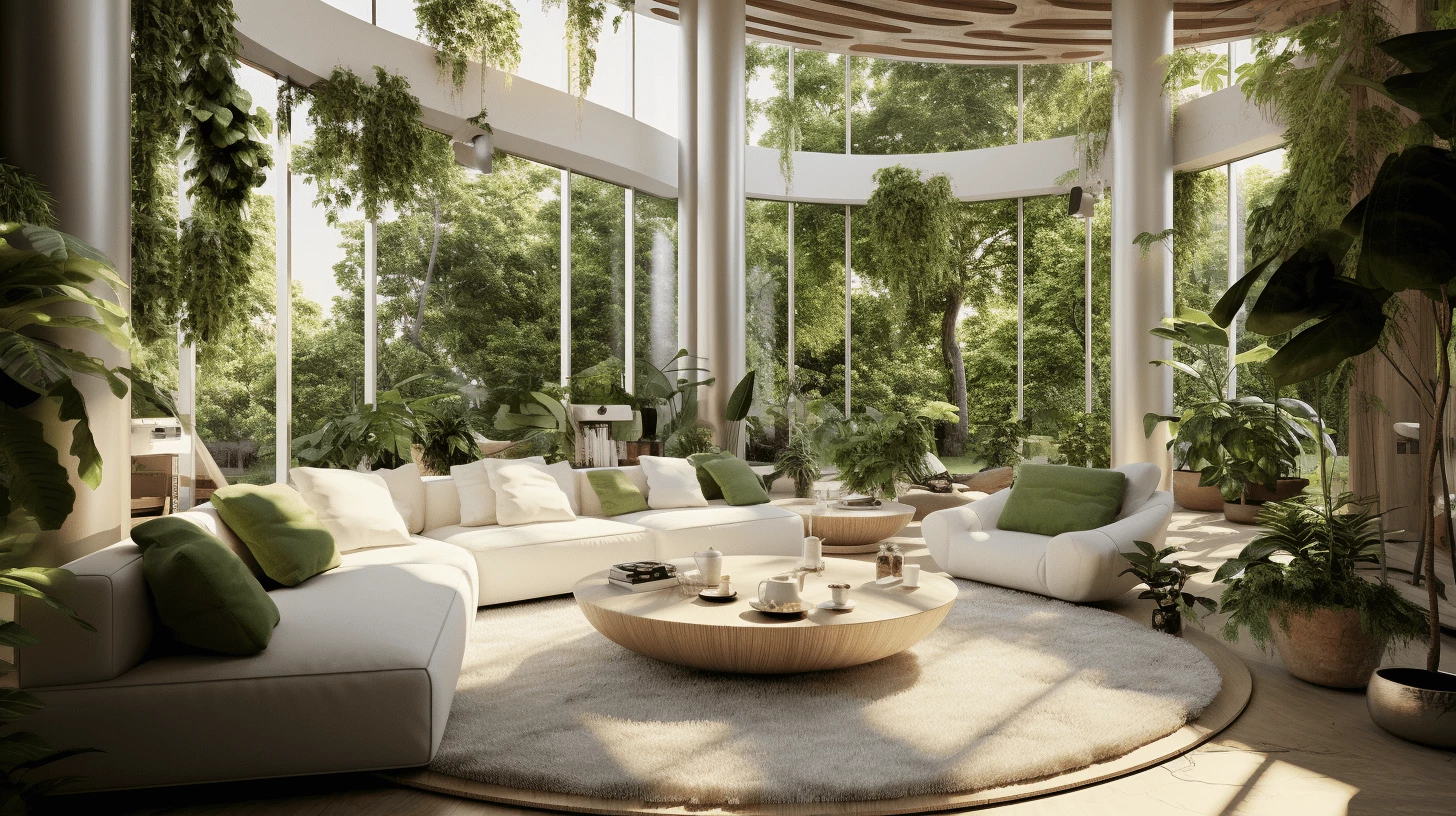
2. Large Windows for Natural Light
Floor-to-ceiling glass maximizes daylight and connects interiors with nature.
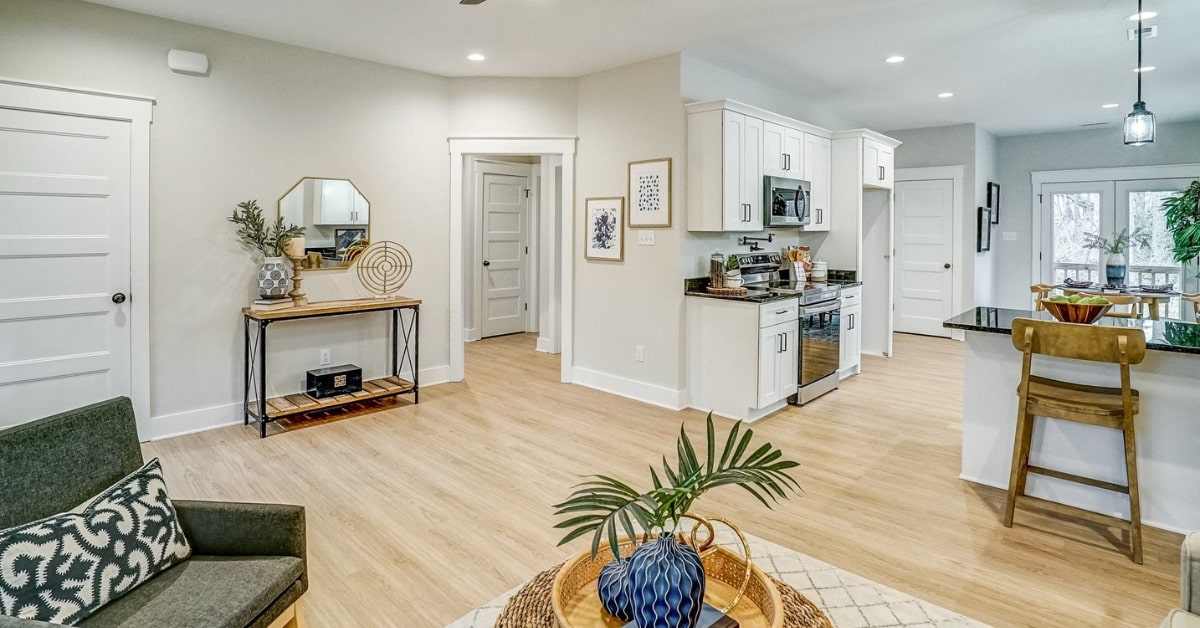
3. Open-Concept Living
Spacious layouts improve flow and social interaction.
G. Frequently Asked Questions (FAQs)
Q1: What is the most cost-effective future-proof upgrade?
A: Solar panels and smart thermostats offer long-term savings.
Q2: Are smart homes vulnerable to hacking?
A: Strong encryption and regular updates minimize risks.
Q3: How can I make an older home more future-proof?
A: Focus on insulation, energy-efficient windows, and smart retrofits.
Conclusion
Future-proof homes in 2024 blend sustainability, technology, and adaptability. Whether building new or renovating, integrating these trends ensures a home that’s efficient, resilient, and aligned with modern living.
Tags: future-proof homes, sustainable design, smart home technology, eco-friendly living, modern architecture, home automation, energy efficiency, minimalist design, biophilic design, disaster-resistant homes