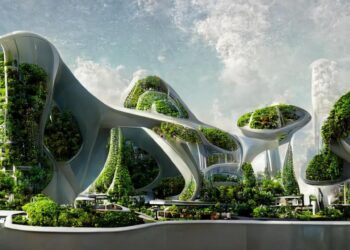






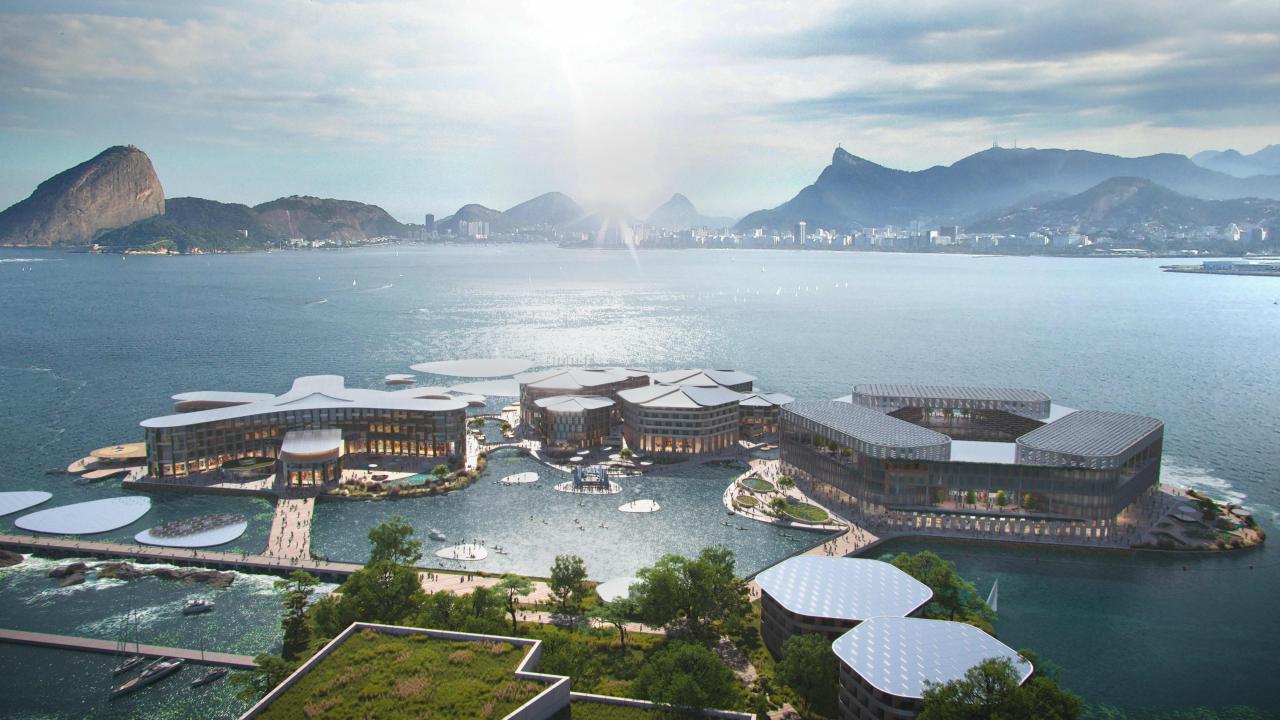

As sea levels rise and urban space becomes scarce, architects are looking to the world’s waterways for solutions. Floating architecture represents one of the most innovative responses to 21st-century challenges, combining cutting-edge engineering with sustainable design principles.
This 3,200-word exploration dives into the emerging world of aquatic urbanism, examining current projects, technological breakthroughs, and how floating structures may reshape our relationship with water.
A. The Driving Forces Behind Floating Architecture
 1. Climate Change Imperatives
- Sea Level Rise: 800 million people at risk by 2050
- Flood Resilience: Floating homes withstand 4m water surges
- Carbon Footprint: 40% lower than land-based construction
2. Urban Space Solutions
| City | Water Coverage | Floating Potential |
|---|---|---|
| Amsterdam | 25% | 1,200 floating homes |
| Bangkok | 30% | 50+ floating markets |
| Miami | 41% | $5B flood mitigation plan |
3. Technological Enablers
- A. Advanced marine-grade materials
- B. Computerized buoyancy systems
- C. Modular construction techniques
B. Current Floating Architecture Projects
1. Residential Innovations
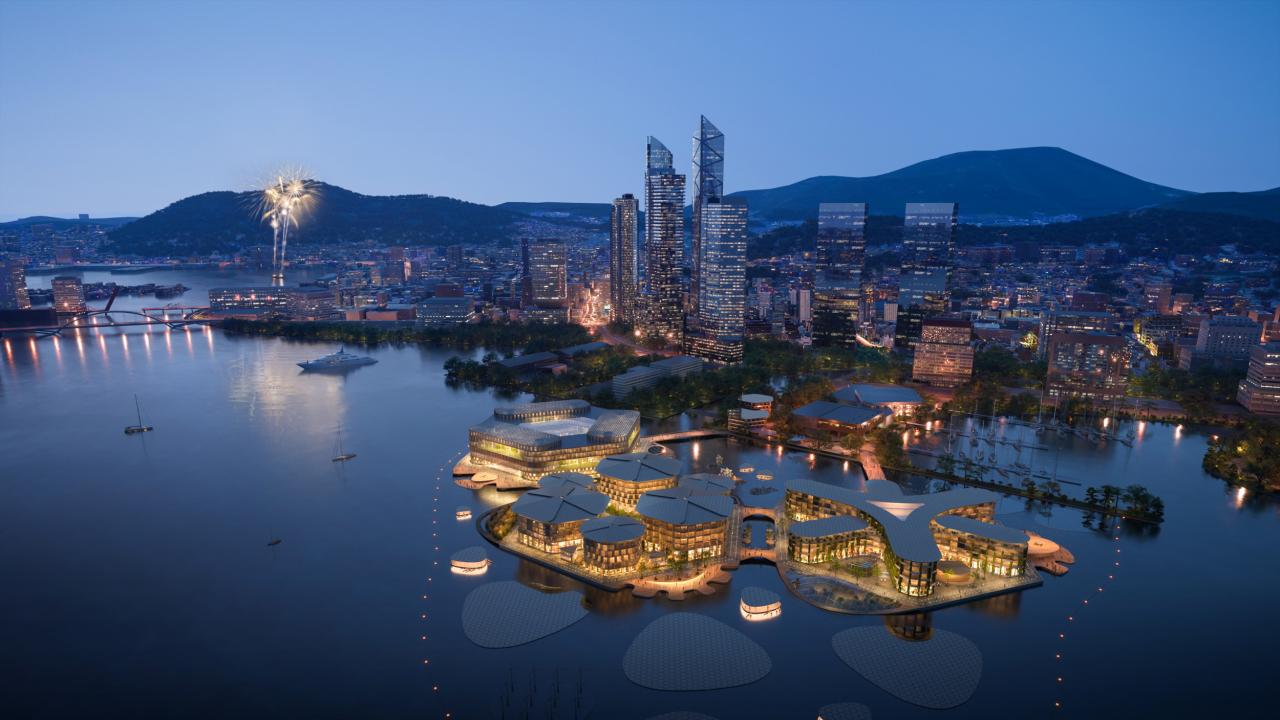
- Oceanix City (South Korea): First prototype floating neighborhood
- Waterbuurt (Netherlands): 100-home floating community
- Floating Seahorse (Dubai): Luxury underwater villas
2. Commercial Developments
- Floating Data Centers (Microsoft): 40% cooling cost reduction
- Offshore Airports (Japan): Kansai’s expansion plans
- Mobile Hotels (Maldives): Seasonal relocation capability
3. Public Infrastructure
- Floating Hospitals (Bangladesh): Climate-resilient care
- Hydroponic Farms (Singapore): 5x yield per square foot
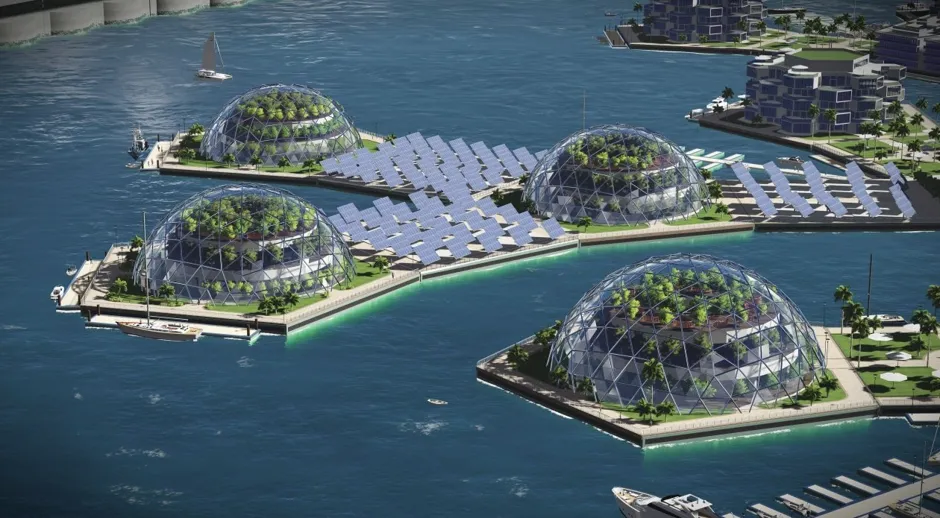
- Solar Islands (Switzerland): 100% energy-independent
C. Core Technologies Making It Possible
1. Buoyancy Systems
| Type | Best Use | Lifespan |
|---|---|---|
| Concrete pontoons | Permanent structures | 100+ years |
| Steel floaters | Industrial applications | 75 years |
| Plastic modules | Temporary installations | 25 years |
2. Mooring Solutions
- A. Dynamic positioning thrusters
- B. Telescopic anchoring poles
- C. Elastic umbilical connections
3. Material Science Breakthroughs
- A. Self-healing concrete (5x marine durability)
- B. Graphene-coated steel (zero corrosion)
- C. Recycled plastic composites (wave-resistant)
D. Design Considerations for Floating Structures
1. Hydrodynamic Principles
- Wave impact minimization strategies
- Current-resistant shapes
- Wind load calculations
2. Utility Management
- A. Water desalination systems
- B. Waste-to-energy conversion
- C. Underwater cable networks
3. Living Experience Factors
- A. Motion sickness prevention
- B. Marine noise insulation
- C. Psychological water adaptation
E. Economic and Environmental Impacts
1. Cost Comparison
| Component | Land-Based | Floating |
|---|---|---|
| Foundations | $150/sq ft | $80/sq ft |
| Maintenance | $12/sq ft/yr | $8/sq ft/yr |
| Insurance | 1.2% value | 1.8% value |
2. Sustainability Benefits
- Zero land excavation required
- Natural water cooling advantages
- Ecosystem integration potential
3. Regulatory Challenges
- Maritime law adaptations
- Zoning ordinance updates
- International water rights
F. Future Projections for Floating Urbanism
1. 2030 Horizon
- First 10,000-person floating city
- Mainstream floating office parks
- Automated maintenance drones
2. 2050 Vision
- Climate refugee settlements
- Mobile floating nations
- Underwater extension technology
3. Breakthroughs on the Horizon
- A. Phase-changing materials
- B. Artificial coral integration
- C. Wave energy harvesting
Tags: floating architecture, water homes, climate resilience, urban planning, future cities, sustainable design, marine construction, floating homes, aquatic urbanism, rising sea levels
Category: Future Architecture