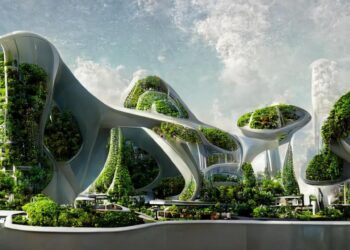






As climate change accelerates, architects worldwide are redefining modern living through sustainable home design. These eco-friendly structures minimize environmental impact while maximizing energy efficiency, comfort, and aesthetic appeal. This comprehensive guide explores cutting-edge sustainable architecture trends, materials, and technologies shaping the future of green homes.

A. The Rising Demand for Sustainable Housing
Global awareness of environmental issues has sparked unprecedented interest in eco-conscious living spaces. Key drivers include:
- Climate Change Concerns – Homeowners seek to reduce carbon footprints
- Energy Cost Savings – Sustainable designs lower utility bills long-term
- Government Incentives – Tax breaks and subsidies for green construction
- Health Benefits – Non-toxic materials improve indoor air quality
- Resale Value Growth – Eco-homes command premium market prices
B. Core Principles of Sustainable Home Design
1. Energy Efficiency Innovations
- Solar Integration – Photovoltaic panels and solar water heaters
- Passive Design – Strategic window placement for natural heating/cooling
- Smart Home Tech – AI-powered energy management systems
2. Water Conservation Systems
- Greywater recycling for irrigation
- Low-flow fixtures and rainwater harvesting
- Drought-resistant landscaping (xeriscaping)
3. Sustainable Building Materials
| Material | Benefits |
|---|---|
| Bamboo | Rapidly renewable, durable |
| Recycled Steel | Reduces mining demand |
| Hempcrete | Carbon-negative insulation |
| Rammed Earth | Excellent thermal mass |
4. Waste Reduction Strategies
- Prefabricated modular construction
- Construction debris recycling programs
- Adaptive reuse of existing structures

C. Pioneering Green Architecture Technologies
1. Living Building Challenge
The most rigorous sustainability standard requiring:
- Net-positive energy production
- 100% renewable water systems
- Non-toxic material selection
2. Biophilic Design Elements
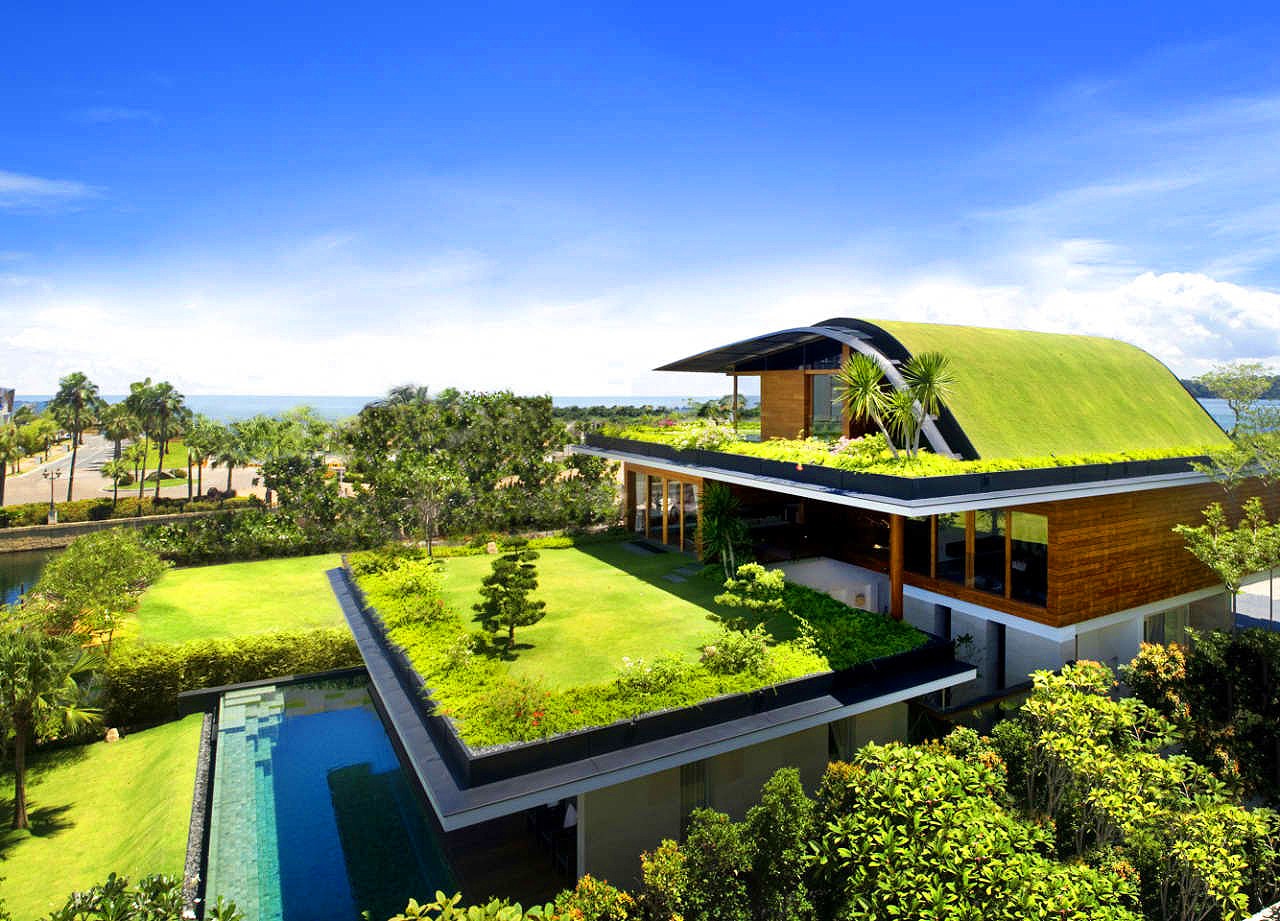
- Vertical gardens and green roofs
- Natural ventilation systems
- Organic shapes mimicking nature
3. Net-Zero Energy Homes
Produce as much energy as they consume through:
- High-performance insulation
- Geothermal heating/cooling
- Energy recovery ventilators
D. Global Leaders in Sustainable Architecture
1. Notable Eco-Home Projects
- The Edge (Netherlands) – World’s greenest office building
- Bosco Verticale (Italy) – Towering urban forest residences
- Bullitt Center (USA) – Living Building Challenge certified
2. Influential Green Architects
- Bjarke Ingels (BIG) – Climate-responsive designs
- Jeanne Gang – Biodiversity-focused structures
- Shigeru Ban – Pioneer in recycled material use
E. Overcoming Sustainable Construction Challenges
1. Cost Considerations
- Higher upfront costs vs long-term savings
- Financing options for green building
2. Regulatory Hurdles
- Varying local building codes
- Permitting for alternative systems
3. Material Availability
- Sourcing local sustainable materials
- Supply chain transparency issues
F. The Future of Eco-Conscious Living
Emerging trends set to transform residential architecture:
- Carbon-Positive Homes – Structures that remove more CO₂ than they emit
- 3D-Printed Eco-Houses – On-demand construction with recycled materials
- AI-Optimized Designs – Machine learning for perfect energy efficiency
- Community Microgrids – Neighborhood renewable energy sharing
Conclusion
Sustainable architecture represents more than an environmental statement—it’s the inevitable future of housing. As technologies advance and costs decrease, eco-homes will transition from luxury to mainstream. Architects embracing these principles today are designing the livable, resilient communities of tomorrow.
Tags: sustainable architecture, eco homes, green building, net zero homes, passive house design, renewable energy homes, biophilic design, sustainable materials, energy efficient homes, future of housing