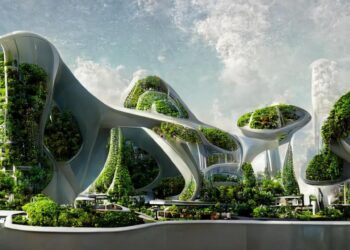






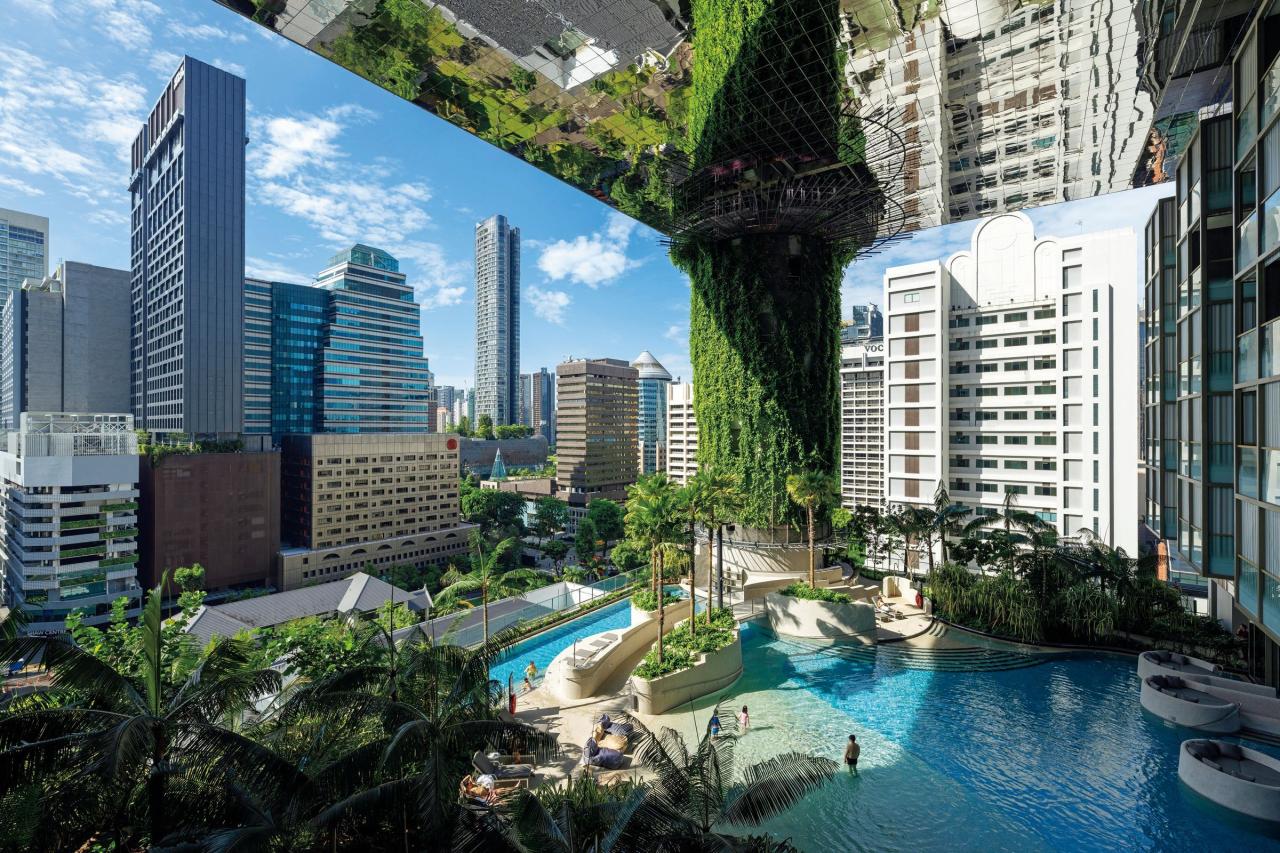
As urbanization accelerates globally, architects are pioneering revolutionary approaches to create sustainable cities. With climate change demanding urgent action, the architectural community is redefining urban landscapes through eco-conscious designs, smart technologies, and community-centric planning. This comprehensive guide explores how visionary architects are transforming cities into sustainable habitats while balancing functionality, aesthetics, and environmental responsibility.

A. The Urgent Need for Sustainable Urbanization
Modern cities face unprecedented challenges:
- Resource depletion – Urban areas consume 75% of global energy
- Carbon emissions – Cities generate 70% of worldwide CO₂ output
- Population pressure – 68% of humanity will live in cities by 2050 (UN projections)
- Biodiversity loss – Urban sprawl destroys natural habitats
Architects are responding with innovative solutions that address these pressing issues while creating livable spaces for future generations.
B. Key Principles of Sustainable Urban Architecture
1. Energy-Efficient Building Design
A. Passive solar techniques – Strategic window placement and thermal mass utilization
B. High-performance insulation – Advanced materials minimizing energy loss
C. Renewable energy integration – Rooftop solar panels and wind turbines
2. Green Infrastructure Implementation
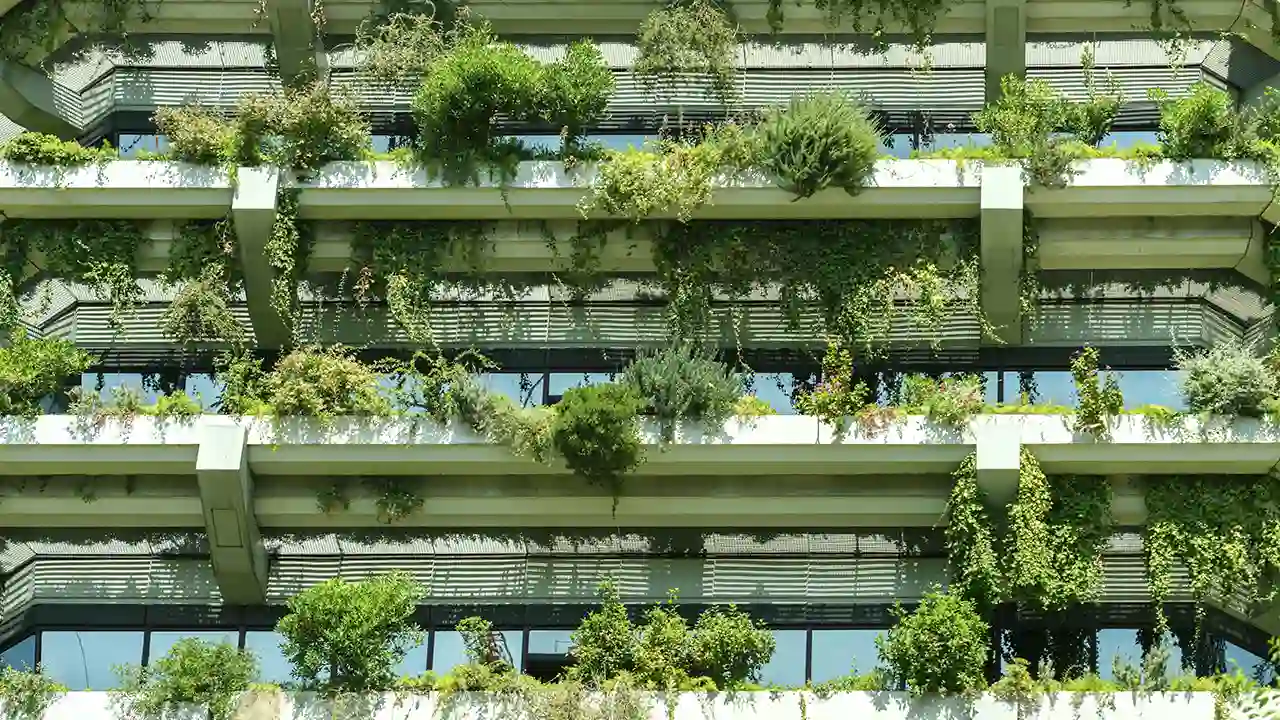
A. Vertical gardens – Improving air quality and reducing urban heat islands
B. Permeable surfaces – Managing stormwater through smart paving solutions
C. Urban forestry – Strategic tree planting for carbon sequestration
3. Circular Economy in Construction
A. Recycled materials – Repurposed steel, reclaimed wood, and recycled concrete
B. Modular construction – Reducing waste through prefabricated components
C. Adaptive reuse – Transforming old structures instead of demolition
4. Smart City Technologies
A. IoT-enabled utilities – Real-time monitoring of water and energy usage
B. AI-driven traffic systems – Reducing congestion and emissions
C. Autonomous public transit – Electric, self-driving transportation networks
5. Community-Centric Design
A. Mixed-use developments – Reducing commute needs through integrated spaces
B. Pedestrian-first planning – Walkable neighborhoods with green corridors
C. Affordable housing – Sustainable solutions for diverse socioeconomic groups
C. Global Case Studies of Sustainable Urban Architecture
1. Copenhagen, Denmark
- Carbon-neutral by 2025 target
- Bicycle highways covering 375km
- District heating from renewable sources
2. Singapore
- Vertical greenery covering 72 hectares
- ABC Waters program for sustainable drainage
- Punggol Digital District smart city prototype
3. Curitiba, Brazil
- Bus Rapid Transit system since 1974
- Green exchange program recycling for food
- Urban parks occupying 52m² per resident
4. Vancouver, Canada
- Greenest City 2020 action plan
- Zero-emission buildings mandate
- Local food infrastructure initiatives
D. The Architect’s Toolkit for Sustainability
1. Cutting-Edge Design Software
A. Parametric modeling for energy optimization
B. Climate analysis tools predicting building performance
C. BIM platforms enabling collaborative sustainable design
2. Innovative Materials
A. Cross-laminated timber as steel alternative
B. Self-healing concrete reducing maintenance
C. Photovoltaic glass generating solar energy
3. Certification Systems
A. LEED (Leadership in Energy and Environmental Design)
B. BREEAM (Building Research Establishment Environmental Assessment Method)
C. WELL Building Standard focusing on human health
E. Challenges in Sustainable Urban Architecture
- Financial Barriers
- Higher upfront costs for green technologies
- ROI timelines deterring investors
- Regulatory Hurdles
- Outdated building codes
- Zoning restrictions
- Technical Limitations
- Scaling innovations for megacities
- Material performance in extreme climates
- Cultural Resistance
- Aesthetic preferences vs sustainability
- Lifestyle adaptation requirements
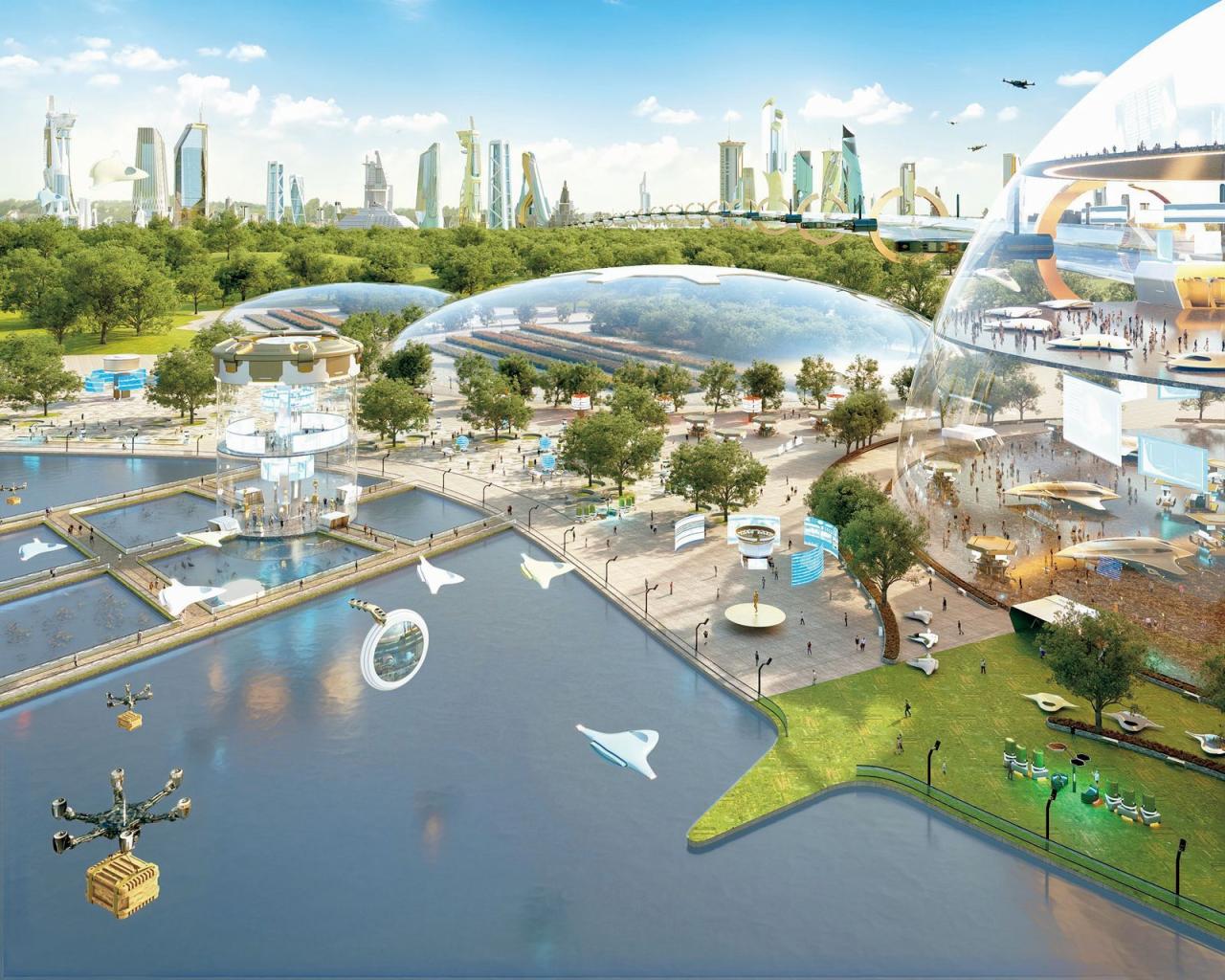
F. The Future of Sustainable Cities
1. Net-Zero Urban Developments
- Carbon-positive buildings generating surplus energy
2. Biophilic Design Evolution
- Nature-integrated architecture improving mental health
3. Resilient Infrastructure
- Climate-proof designs for rising sea levels
4. Digital Twins Technology
- Virtual city models optimizing real-world performance
5. Community Power Generation
- Neighborhood microgrids with shared renewables
Conclusion
Architects stand at the forefront of the sustainable cities movement, blending creativity with environmental stewardship. Through innovative designs, cutting-edge technologies, and holistic planning approaches, they’re reshaping urban environments to be resilient, efficient, and harmonious with nature. As climate challenges intensify, the architectural profession’s role in building sustainable futures becomes increasingly vital – not just for structures, but for civilizations.
Tags: sustainable architecture, green cities, urban planning, eco-friendly design, smart cities, climate-responsive architecture, renewable energy buildings, sustainable urban development, green construction, future cities