






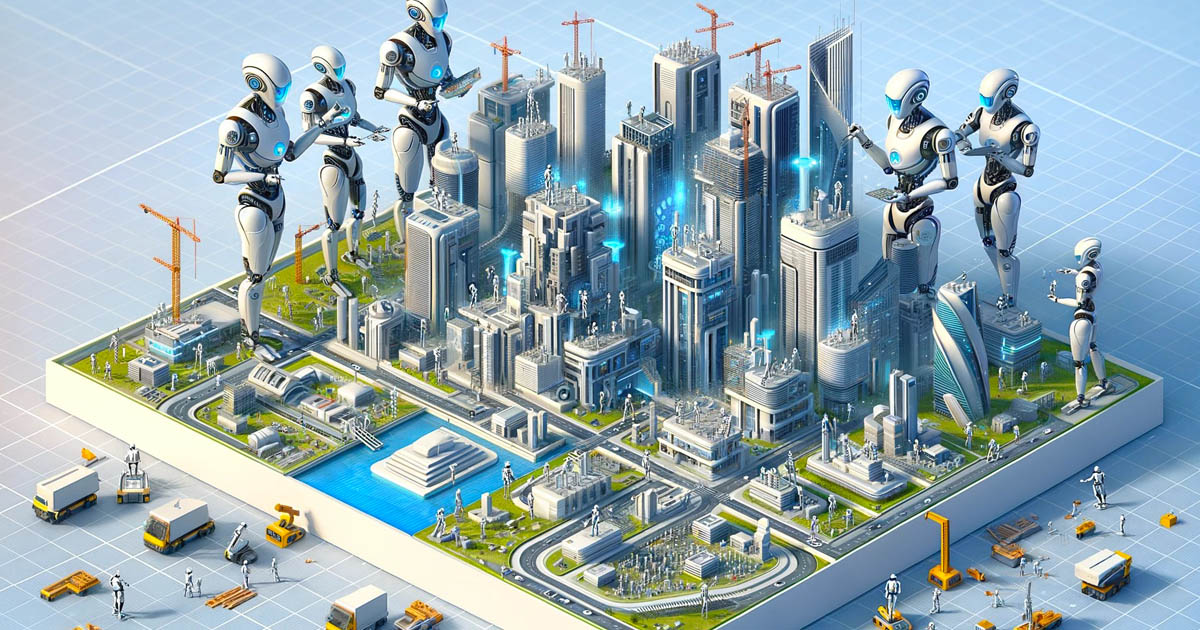

The architectural world stands at a crossroads as artificial intelligence rapidly transforms design processes. This comprehensive 2,000+ word analysis examines the evolving relationship between AI and human architects, comparing their strengths, limitations, and collaborative potential in shaping tomorrow’s built environment.
A. The Rise of AI in Architecture
-
Current Applications
-
Generative design algorithms
-
Automated drafting and modeling
-
Building performance simulations
-
Material optimization systems
-
-
Key Benefits
-
80% faster schematic design generation
-
30% reduction in construction costs through optimization
-
Instant analysis of thousands of design variants
-
Continuous 24/7 design iteration capability
-
B. Human Architects’ Irreplaceable Strengths
-
Creative Vision
-
Conceptual originality and artistic expression
-
Cultural and contextual sensitivity
-
Emotional intelligence in space creation
-
-
Professional Judgment
-
Ethical decision-making capacity
-
Client relationship management
-
Adaptive problem-solving in real-world scenarios
-

C. Head-to-Head Comparison
| Category | AI Advantage | Human Advantage |
|---|---|---|
| Speed | Generates 100+ options in minutes | Develops 1-2 concepts per day |
| Cost Efficiency | Reduces design time by 60% | Higher hourly rates |
| Innovation | Pattern recognition from millions of designs | Truly original conceptual thinking |
| Compliance | Instant code verification | Nuanced interpretation of regulations |
| Sustainability | Optimizes energy performance algorithms | Holistic environmental understanding |
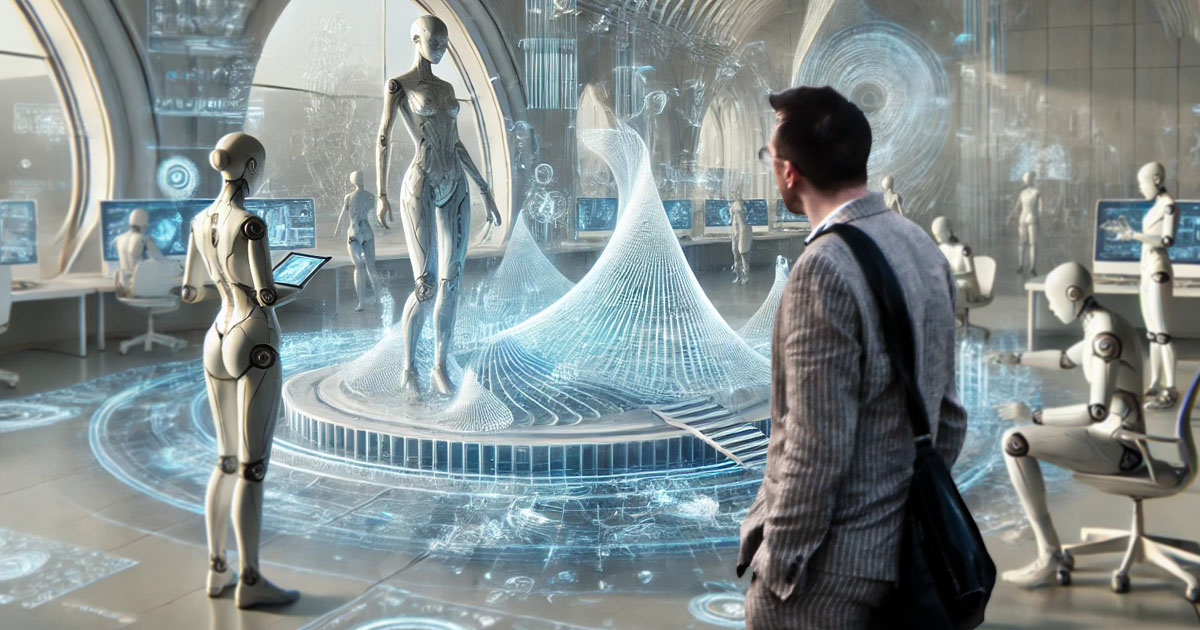
D. Emerging Collaborative Models
-
Augmented Design Process
-
AI handles repetitive tasks (e.g., drafting, calculations)
-
Humans focus on creative direction and refinement
-
-
Hybrid Workflow Examples
-
Zaha Hadid Architects’ AI-assisted parametric designs
-
BIG’s use of machine learning for urban planning
-
Foster + Partners’ algorithmic facade optimization
-
E. Industry Impact Statistics
-
47% of architecture firms now use AI tools (2024 AIA report)
-
AI adoption expected to grow 300% by 2027 (McKinsey)
-
68% of clients prefer human-led projects with AI assistance (Deloitte survey)
F. The Future Outlook
-
2025-2030 Predictions
-
AI becomes standard in schematic design phase
-
Human architects shift to “design curators” role
-
New hybrid architecture degrees combining AI and design
-
-
Long-Term Projections
-
Complete buildings designed by AI with human oversight
-
Customizable AI architects trained on individual styles
-
Real-time adaptive structures using AI monitoring
-
G. Ethical Considerations
-
Copyright Challenges
-
Ownership of AI-generated designs
-
Training data intellectual property issues
-
-
Professional Standards
-
AI’s role in licensure requirements
-
Liability for AI design errors
-
Conclusion
The architectural future isn’t about AI versus humans, but rather how intelligent systems can amplify human creativity. While AI excels at optimization and speed, human architects bring irreplaceable vision and judgment. The most successful practices will harness AI as a powerful collaborator rather than seeing it as competition, creating better designs faster while maintaining the soul of architecture.
Tags: AI architecture, future of design, architectural technology, human vs machine, design automation, smart buildings, architectural innovation, AI collaboration, construction tech, digital design