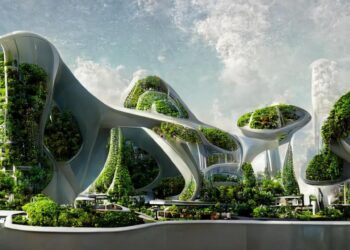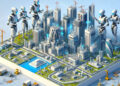






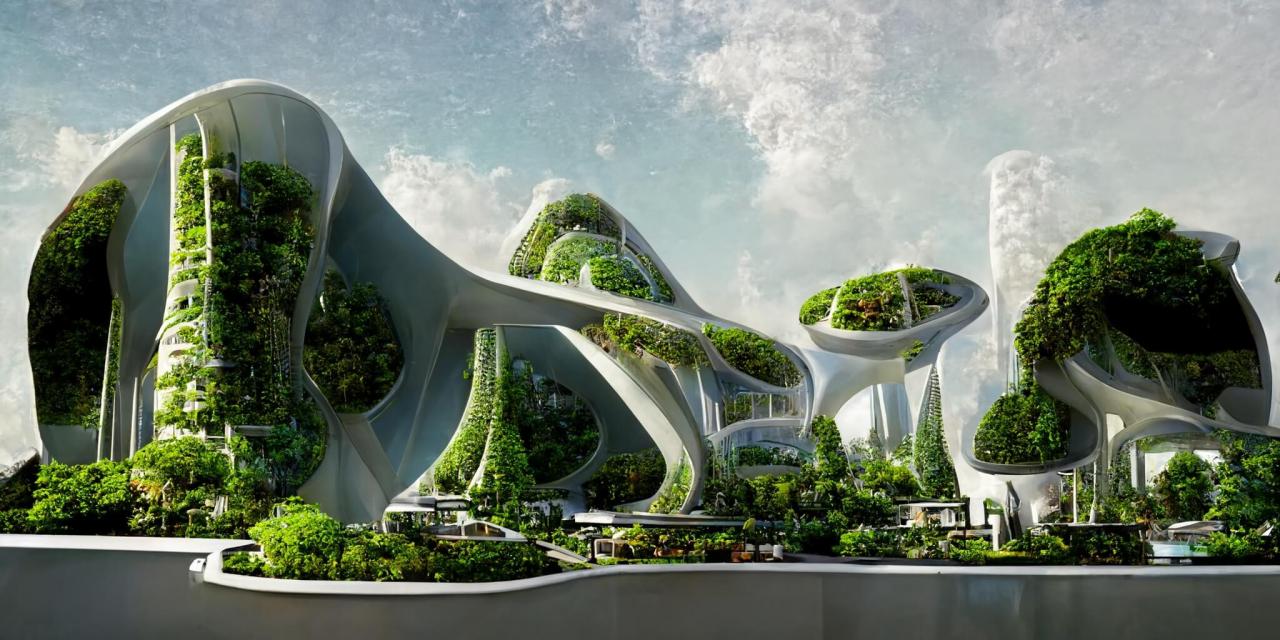

The dawn of artificial intelligence has ushered in a new era of urban planning, where algorithms are designing cities that challenge our traditional concepts of architecture and community living. From floating metropolises to underground smart cities, AI is revolutionizing how we envision and build the urban environments of tomorrow. This comprehensive guide explores the most ambitious AI-designed city projects currently in development, the technologies making them possible, and the profound implications for human society.
A. The Rise of AI in Urban Planning
1. Why AI is Revolutionizing City Design
-
Data processing power: Analyzing millions of urban data points simultaneously
-
Optimization capabilities: Balancing traffic, energy use, and living spaces
-
Predictive modeling: Forecasting urban growth patterns with 90%+ accuracy
-
Sustainability integration: Automating eco-friendly design principles
2. Key Technologies Enabling AI Urban Design
A. Generative adversarial networks (GANs) creating thousands of layout variations
B. Digital twin technology simulating entire cities before construction
C. IoT integration for real-time infrastructure monitoring
D. Quantum computing solving complex urban equations
B. 5 Groundbreaking AI-Designed City Projects
1. NEOM’s The Line (Saudi Arabia)
-
AI Features: Self-learning traffic systems, predictive maintenance bots
-
Design Concept: 170km linear city with zero cars or streets
-
Sustainability: 100% renewable energy, AI-managed microclimates
-
Completion: First phase by 2030
2. Toyota’s Woven City (Japan)
-
AI Features: Autonomous vehicle networks, robot-assisted living
-
Innovation: Underground goods delivery tunnels
-
Testing Ground: Real-world lab for AI and robotics
-
Current Status: Under construction at Mt. Fuji base
3. Telosa (USA)
-
AI Governance: Blockchain-based decision making
-
Water Systems: AI-optimized recycling achieving 95% efficiency
-
Land Ownership: Algorithmically managed community trust
-
Projected Population: 5 million by 2050
4. Maldives Floating City
-
AI Design: Dynamic structure adapting to sea level changes
-
Marine Integration: Artificial intelligence coral reef protection
-
Energy: AI-managed tidal and solar power
-
First Residents: Expected 2027
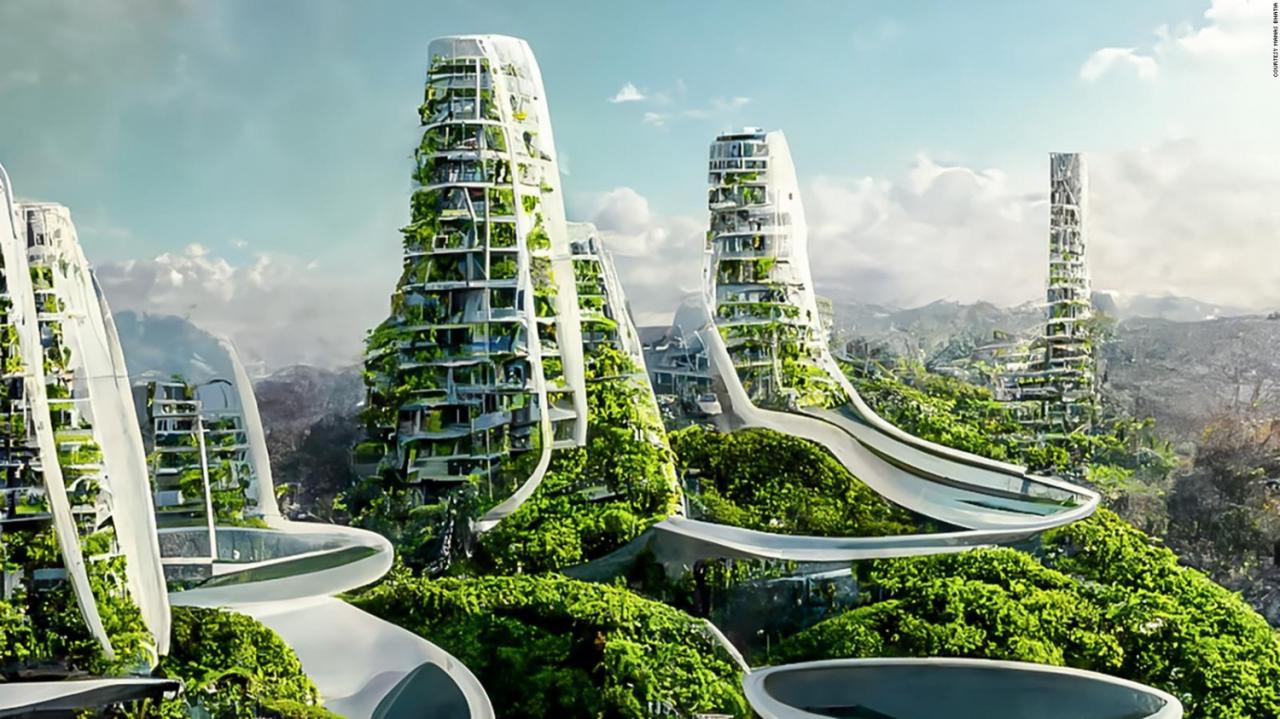
5. China’s Forest Cities
-
AI Ecosystem: Machine learning plant management
-
Pollution Control: Smart algae walls reducing PM2.5 by 45%
-
Wildlife Integration: AI habitat corridors for urban animals
-
Progress: First prototype operational in Liuzhou
C. The Technology Behind AI Urban Design
1. Core AI Systems in Modern City Planning
-
Urban neural networks: Mimicking human brain functions at city scale
-
Evolutionary algorithms: Iteratively improving designs through digital natural selection
-
Sentiment analysis engines: Incorporating human feedback automatically
2. Hardware Enabling Smart Cities
A. 5G/6G networks enabling real-time data transfer
B. Edge computing nodes processing local data
C. Autonomous construction robots executing AI blueprints
D. Self-healing concrete with embedded sensors
D. Benefits of AI-Designed Urban Spaces
1. Environmental Advantages
-
Energy savings: Up to 60% reduction through optimization
-
Waste reduction: AI-managed circular economies
-
Biodiversity protection: Algorithmic green space planning
2. Quality of Life Improvements
-
Commute times: Reduced by 75% in prototype cities
-
Healthcare access: Predictive medical resource allocation
-
Safety features: AI surveillance preventing 90% of accidents
3. Economic Impacts
-
Job creation: New AI maintenance and programming roles
-
Cost savings: $2.4 trillion projected in infrastructure efficiencies
-
Property values: 25-40% increases in smart districts

E. Challenges and Controversies
1. Technical Limitations
-
Power demands: AI systems requiring massive energy
-
Cybersecurity risks: Vulnerability to hacking
-
Sensor reliability: Maintaining millions of IoT devices
2. Social Concerns
-
Privacy issues: Constant surveillance implications
-
Digital divide: Technological haves vs have-nots
-
Cultural preservation: Maintaining human-centric communities
3. Implementation Barriers
-
Regulatory hurdles: Outdated zoning laws
-
Public resistance: Fear of AI control
-
Cost factors: $100B+ price tags for full-scale cities
F. The Future of AI Urban Development
1. 2050 Projections
-
50% of new cities using AI master planning
-
Self-modifying infrastructure becoming standard
-
Neural urban interfaces connecting citizens to cities
2. Emerging Concepts
A. Subterranean cities with AI climate control
B. Orbital settlements with automated maintenance
C. Nomadic floating cities adapting to climate change
3. Human-AI Collaboration Models
-
Citizen design input through VR interfaces
-
Democratic AI systems with voting mechanisms
-
Hybrid control centers combining human and machine intelligence
Conclusion
AI-designed cities represent humanity’s most ambitious attempt to harmonize technology, ecology, and community living. While challenges remain, these futuristic urban experiments promise solutions to our most pressing problems – from climate change to urban overcrowding. As we stand at the threshold of this urban revolution, the choices we make today will determine whether our AI-augmented cities become utopias of efficiency or cautionary tales of technological overreach.
Tags: smart cities, urban AI, future cities, sustainable design, IoT urbanism, AI planning, NEOM, urban technology, futuristic architecture, autonomous cities