






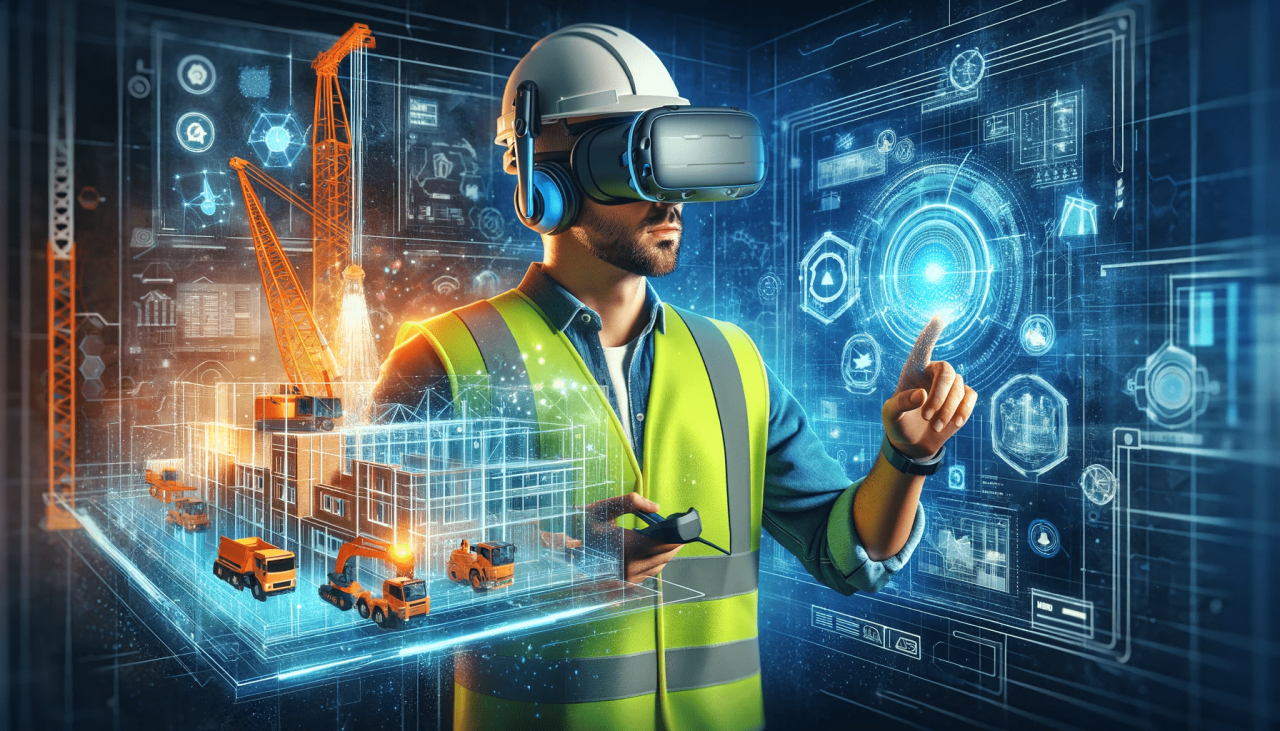

The construction industry is undergoing a digital metamorphosis as Virtual Reality (VR) technology reshapes every phase from design to completion. With the global construction VR market projected to reach $7.3 billion by 2028, forward-thinking firms are leveraging immersive technology to enhance safety, improve collaboration, and reduce costly errors. This 2,500-word guide examines how VR is solving age-old construction challenges while creating new opportunities for efficiency and innovation in the built environment.
A. The Current State of VR in Construction
- Market Adoption Trends
- 42% of large contractors now use VR regularly
- 78% reduction in design-related change orders
- $100 billion potential annual savings industry-wide
- Technology Ecosystem
- Hardware: Oculus, HTC Vive, Microsoft HoloLens
- Software: Autodesk BIM 360, IrisVR, The Wild
- Supporting tech: 360° cameras, LiDAR scanners
- Implementation Barriers
- High initial equipment costs
- Workforce training requirements
- Data security concerns
B. 5 Transformative VR Applications in Construction
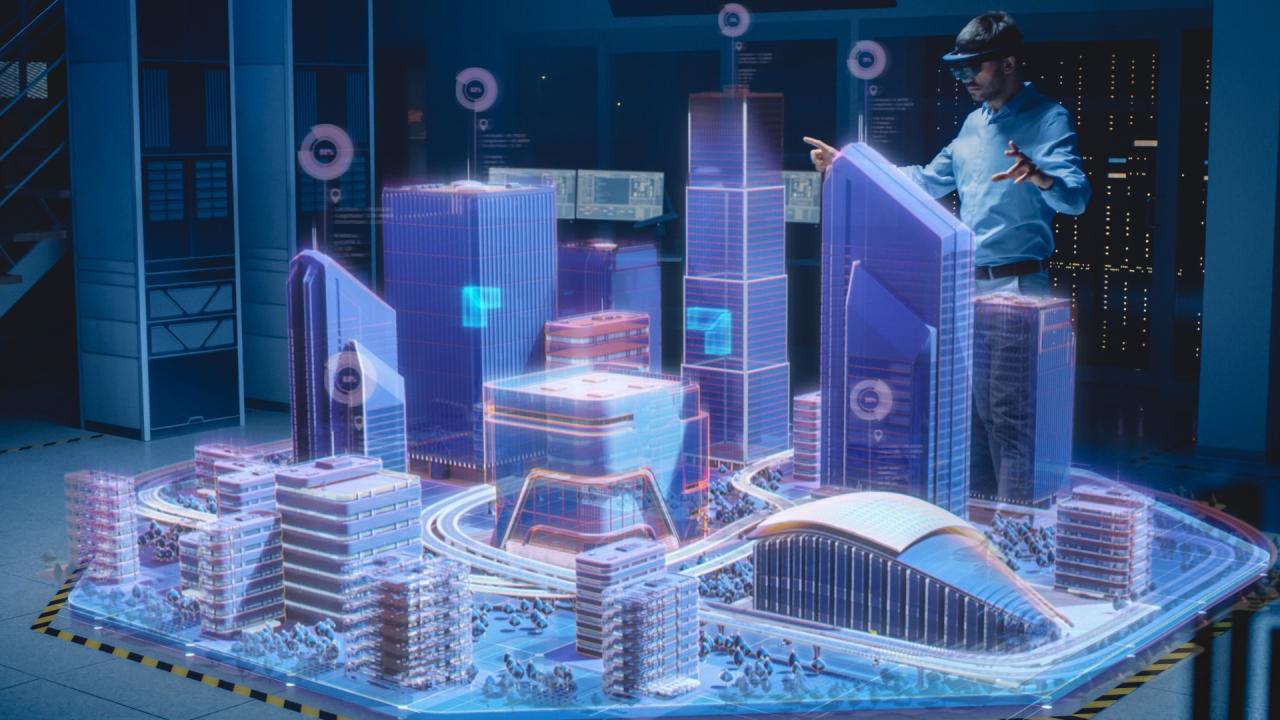
1. Immersive Design Visualization
- Client walkthroughs of unbuilt spaces
- Real-time material and finish selection
- Case Study: Foster + Partners’ VR design studio
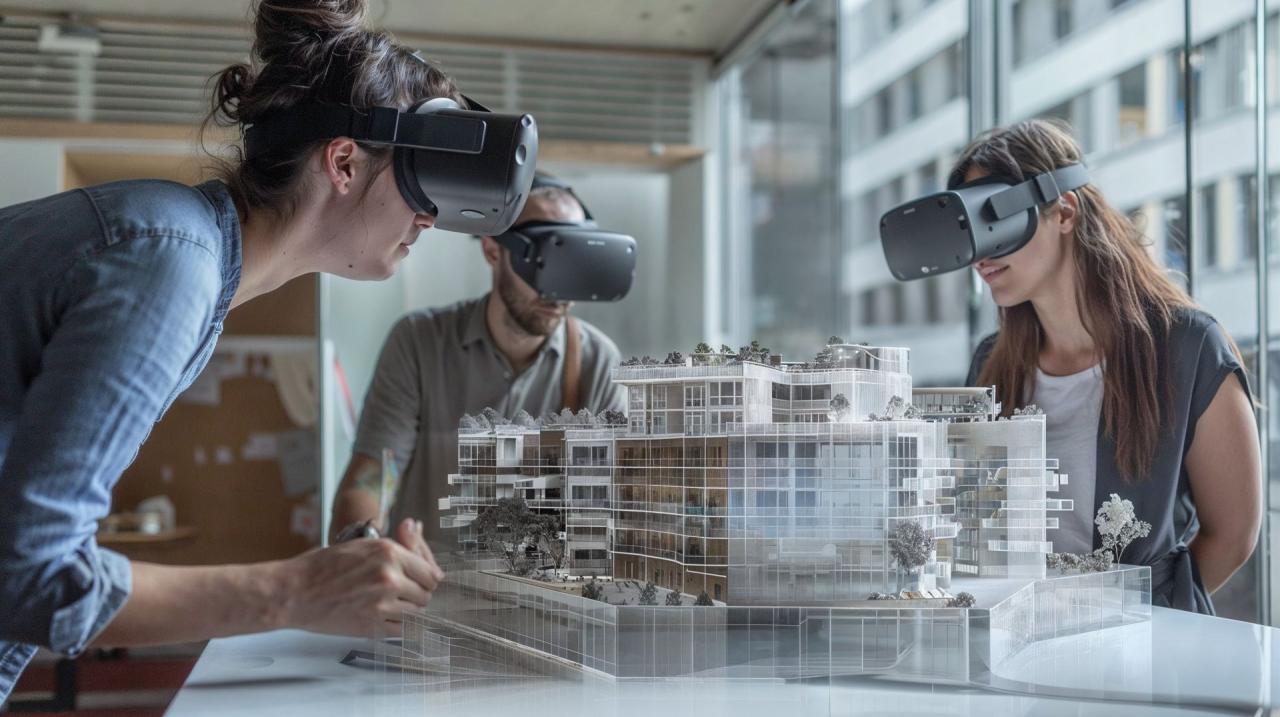
2. Collaborative Project Reviews
- Multi-user virtual meetings
- Clash detection in 3D space
- Annotating models in real-time
3. Enhanced Safety Training
- Hazard simulation without risk
- Equipment operation practice
- Emergency scenario drills
4. Virtual Job Site Monitoring
- Progress tracking against BIM
- Quality control inspections
- Remote expert assistance
5. Client Engagement Tools
- Interactive sales presentations
- Customization options exploration
- Virtual property tours
C. VR Implementation Roadmap
| Phase | Key Activities | Technology Requirements | Expected Outcomes |
|---|---|---|---|
| 1. Assessment | Needs analysis, ROI calculation | Market research tools | Implementation strategy |
| 2. Pilot | Small-scale testing | Basic VR headset, trial software | Proof of concept |
| 3. Integration | Workflow adaptation | Enterprise VR solutions | Process improvements |
| 4. Scaling | Full deployment | Cloud collaboration platform | Transformational impact |
D. Measurable Benefits of VR Adoption
- Project Efficiency Gains
- 40% faster design approvals
- 30% reduction in rework
- 25% shorter project timelines
- Financial Impacts
- $20,000 average savings per change order avoided
- 7:1 ROI for VR training programs
- 15% higher bid win rate with VR presentations
- Safety Improvements
- 60% fewer safety incidents
- 80% better knowledge retention in training
- 50% faster emergency response preparation
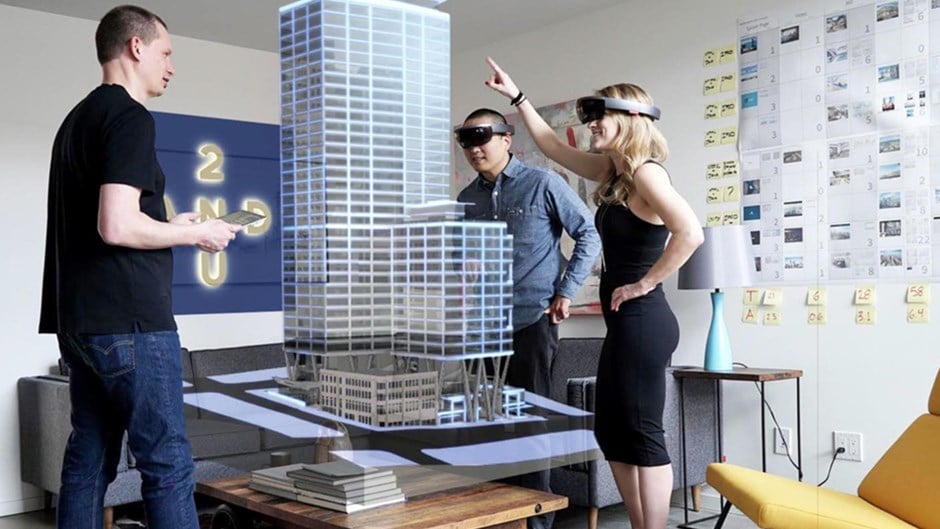
E. Emerging VR Innovations (2024-2030)
- Haptic Feedback Integration
- Virtual touch sensation for materials
- Force feedback for equipment simulation
- AI-Powered Virtual Assistants
- Real-time construction guidance
- Automated code compliance checking
- Digital Twin Synchronization
- Live VR/AR overlay on physical sites
- IoT sensor data visualization
- Neuroscience Applications
- Worker cognitive load monitoring
- Optimal workspace design testing
F. Overcoming Implementation Challenges
- Cost Management Strategies
- Hardware leasing options
- Cloud-based VR solutions
- Phased implementation approach
- Workforce Adaptation
- Gamified training programs
- Digital champion programs
- Cross-generational mentoring
- Technology Integration
- BIM compatibility standards
- Mobile VR capabilities
- Cybersecurity protocols
Conclusion
VR technology is rapidly evolving from a construction novelty to an essential tool for competitive advantage. As hardware becomes more affordable and software more sophisticated, early adopters are gaining significant benefits in project outcomes, safety performance, and client satisfaction. The future of construction belongs to those who can effectively merge physical building expertise with virtual world capabilities.
Tags: VR in construction, virtual design, building information modeling, construction technology, immersive training, digital construction, project visualization, safety simulation, collaborative design, future of construction