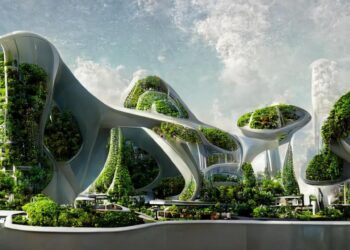






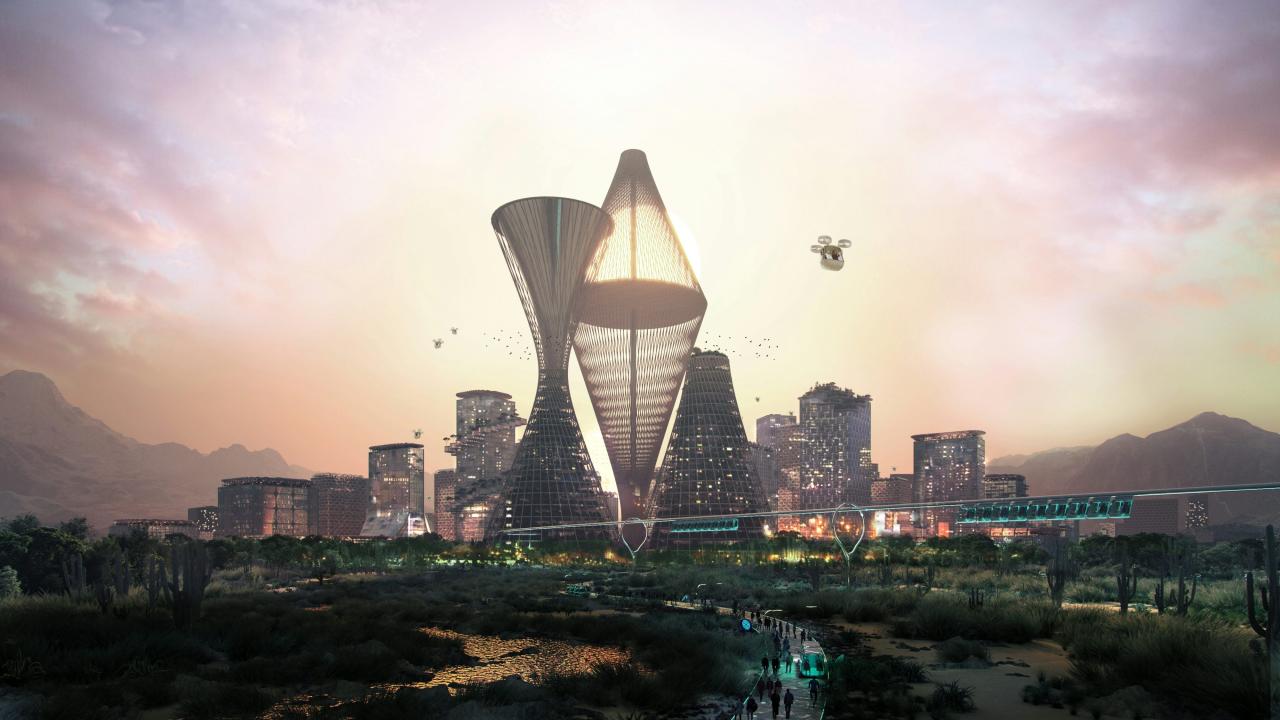
The urban skyline is undergoing a radical transformation as next-generation skyscrapers emerge as vertical ecosystems rather than mere office towers. These architectural marvels combine cutting-edge technology, sustainable design, and human-centric features to create self-sufficient micro-cities in the sky. This 2,000+ word guide explores how these towering innovations are solving urban challenges while setting new standards for luxury, efficiency, and environmental responsibility.

A. The Evolution of Skyscraper Design
Modern skyscrapers have progressed through three distinct eras:
- First Generation (1880s-1930s)
- Focus on height and prestige
- Example: Empire State Building
- Second Generation (1950s-2000s)
- Glass curtain wall dominance
- Energy-intensive designs
- Third Generation (2010s-Present)
- Biophilic integration
- Net-zero energy targets
- Mixed-use vertical communities
B. 5 Revolutionary Features of Next-Gen Skyscrapers
1. Vertical Urban Farming Systems
- Hydroponic gardens producing 15-20% of building’s food needs
- Singapore’s “Oasia Hotel” prototype
2. AI-Optimized Building Management
- Real-time energy redistribution
- Predictive maintenance systems
3. Carbon-Capturing Facades
- Algae-infused glass panels
- Photocatalytic concrete surfaces
4. Skybridges as Social Hubs
- Multi-level recreational spaces
- Emergency evacuation pathways
5. Dynamic Wind Energy Harvesting
- Integrated turbines in building gaps
- Piezoelectric flooring in high-traffic areas
C. Case Studies: Groundbreaking Projects
| Project Name | Location | Innovation Highlights | Completion |
|---|---|---|---|
| The Spiral (NYC) | New York | 1.2km vertical green ribbon | 2024 |
| Merdeka 118 | Kuala Lumpur | Rainwater harvesting for 30% water use | 2023 |
| Chengdu Future Tower | China | 100% renewable energy operation | 2026 |

D. The Sustainability Paradox
While modern towers boast green credentials, they face unique challenges:
- Embodied Carbon Concerns
- 60% of emissions come from construction materials
- Urban Heat Island Effect
- Reflective surfaces increasing local temperatures
- Bird Collision Mitigation
- Patterned glass solutions saving 90% of avian lives
E. Future Trends (2025-2035)
- 4D-Printed Structures
- Self-assembling components
- Holographic Facades
- Dynamic exterior displays
- Atmospheric Water Generation
- Extracting humidity for building use
- Vertical Mobility Networks
- Drone landing pads every 20 floors
Conclusion
Next-generation skyscrapers represent humanity’s most ambitious attempt to reconcile urban density with quality of life. As these vertical cities become testbeds for emerging technologies, they’re proving that height and sustainability can coexist. The skyscrapers of tomorrow won’t just scrape the sky—they’ll actively improve it.
Tags: futuristic architecture, smart skyscrapers, vertical cities, sustainable design, urban innovation, green buildings, high-rise technology, biophilic design, carbon neutral construction, future cities