






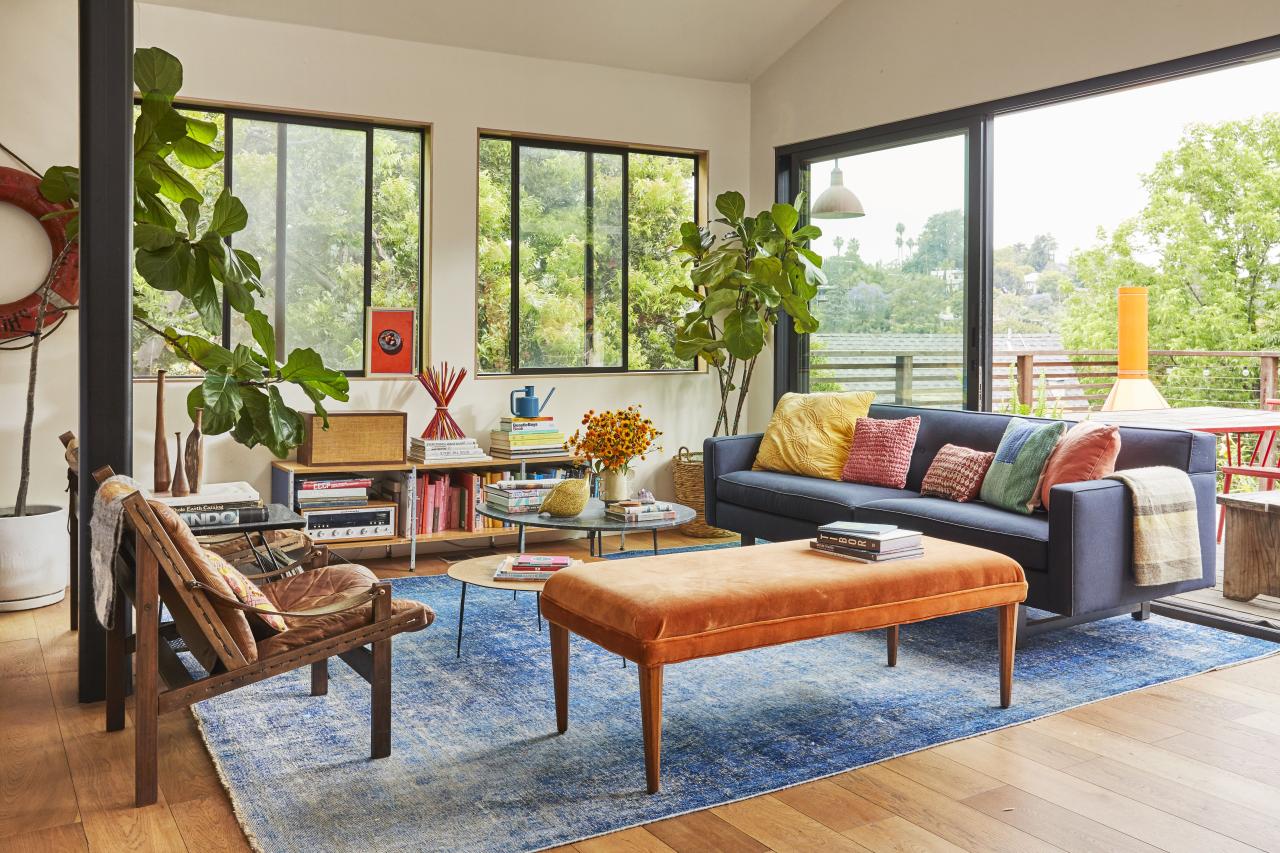

Minimalism has evolved from a design trend to a lifestyle movement, reshaping how we approach modern interiors. Characterized by clean lines, functional layouts, and a “less is more” philosophy, minimalist design creates serene, clutter-free environments that enhance both aesthetics and well-being. This comprehensive guide explores the principles, benefits, and practical applications of minimalist design in contemporary homes and workspaces.
A. The Core Principles of Minimalist Design
1. Simplicity in Form and Function
- Focus on essential elements
- Elimination of unnecessary ornamentation
- Purposeful furniture selection
2. Neutral Color Palettes
- Dominance of whites, beiges, and grays
- Strategic use of monochromatic schemes
- Occasional muted accent colors
3. Clean Lines and Geometric Shapes
- Straight edges over curves
- Balanced proportions
- Structured layouts
4. Thoughtful Use of Space
- Negative space as design element
- Multi-functional furniture
- Smart storage solutions
5. Quality Over Quantity
- Investment in durable materials
- Fewer but better possessions
- Timeless over trendy selections
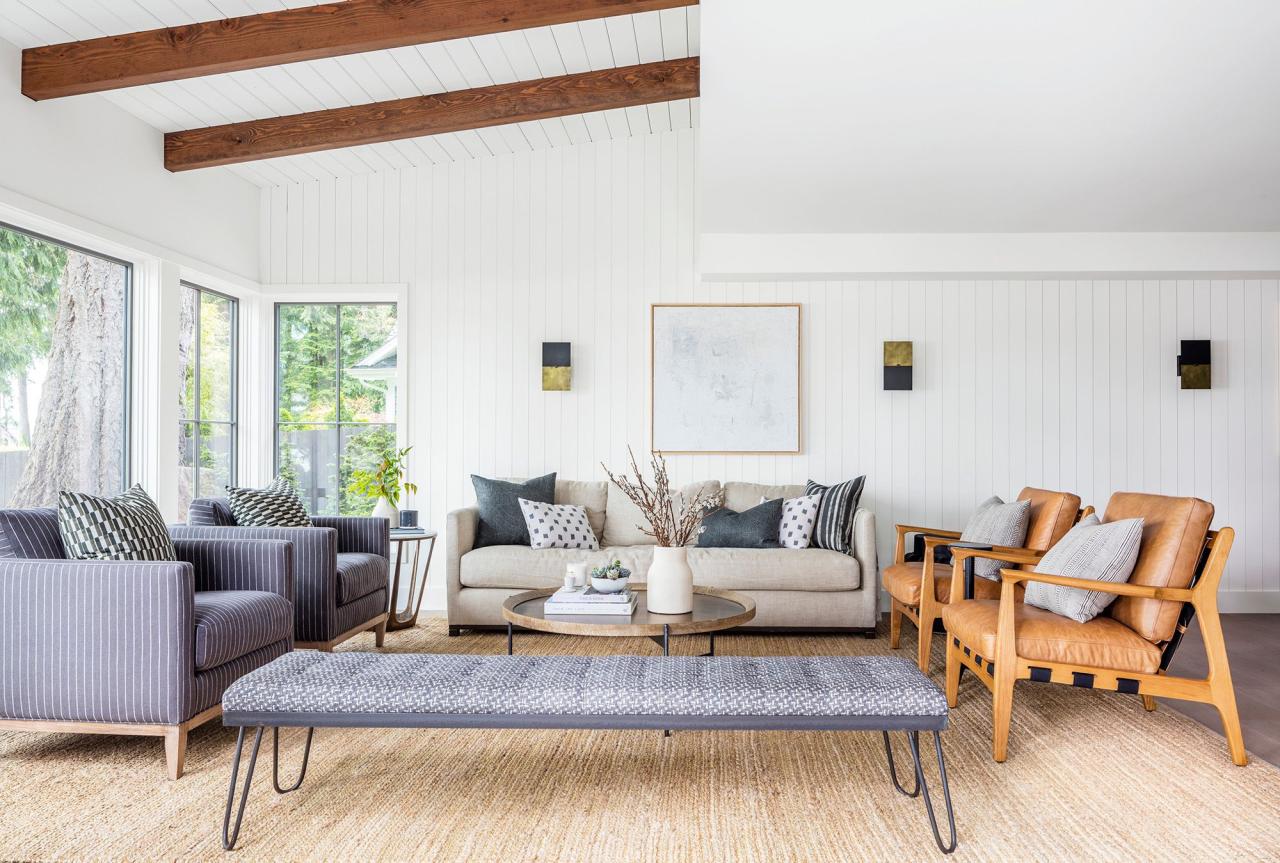
B. Benefits of Minimalist Interiors
1. Psychological Advantages
- Reduced visual stress
- Enhanced focus and productivity
- Promotion of mindfulness
2. Practical Benefits
- Easier cleaning and maintenance
- More efficient use of space
- Lower long-term costs
3. Environmental Impact
- Reduced consumption
- Sustainable material choices
- Energy-efficient spaces
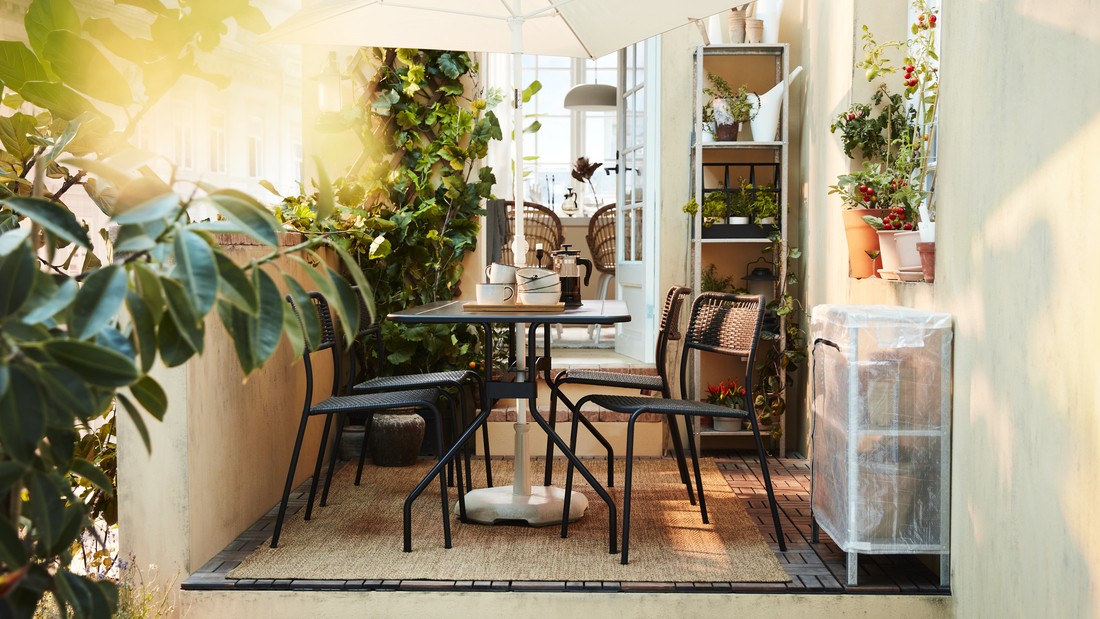
C. Key Elements of Minimalist Spaces
1. Furniture Selection
- Low-profile sofas and beds
- Modular shelving systems
- Built-in storage solutions
2. Lighting Design
- Large windows for natural light
- Recessed LED lighting
- Statement pendant lights as focal points
3. Material Choices
- Natural wood finishes
- Polished concrete floors
- Matte metal accents
4. Decorative Accents
- Single statement artwork
- Purposeful greenery
- Textural contrasts
D. Room-by-Room Minimalist Strategies
1. Living Room Essentials
- Sectional sofa in neutral tone
- Hidden media storage
- Floating shelves for curated display
2. Kitchen Organization
- Handle-less cabinetry
- Integrated appliances
- Decluttered countertops
3. Bedroom Serenity
- Platform bed with built-in drawers
- Monochromatic bedding
- Nightstand with single drawer
4. Bathroom Simplicity
- Wall-mounted vanities
- Frameless glass showers
- Concealed plumbing
5. Home Office Efficiency
- Wall-mounted desk
- Cable management systems
- Digital document solutions
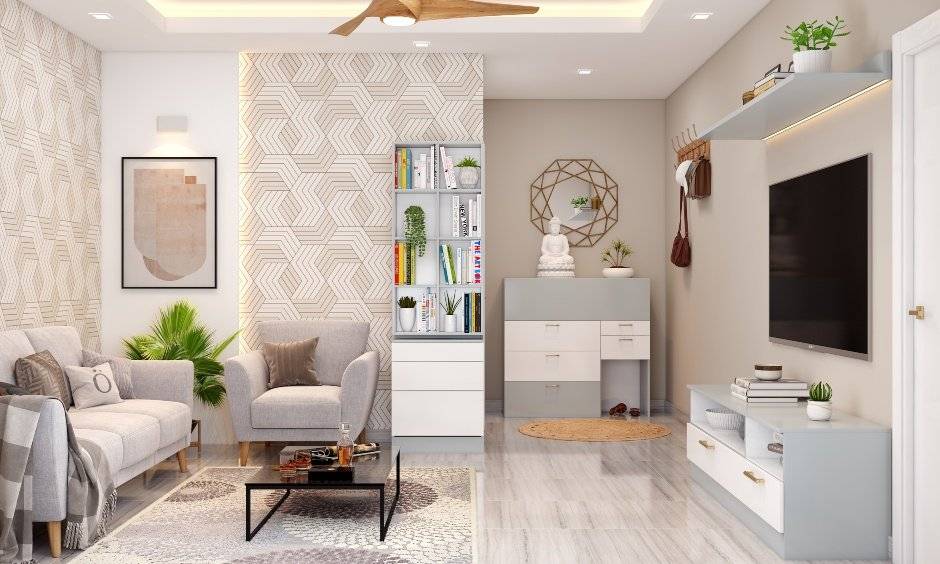
E. Common Minimalism Mistakes to Avoid
1. Sterile Instead of Serene
- Adding warmth through textures
- Incorporating organic shapes
- Balancing clean with cozy
2. Insufficient Storage
- Hidden organizational systems
- Vertical space utilization
- Regular decluttering habits
3. Impractical Extremism
- Maintaining functionality
- Personalizing appropriately
- Adapting to household needs
F. The Future of Minimalist Design
1. Technological Integration
- Hidden smart home features
- Wireless charging surfaces
- Disappearing appliances
2. Sustainable Evolution
- Recyclable material innovations
- Energy-positive homes
- Circular design principles
3. Cultural Adaptations
- Regional minimalist variations
- Fusion with other styles
- Workplace applications
Conclusion
Minimalist design offers more than visual appeal – it creates harmonious living environments that reduce stress and enhance daily life. By focusing on quality, functionality, and intentional design choices, minimalist spaces provide timeless solutions for modern living. As the movement continues evolving, it adapts to new technologies and sustainability demands while maintaining its core philosophy of purposeful simplicity.
Tags: minimalist design, modern interiors, decluttering, simple living, home organization, interior styling, space optimization, clean aesthetics, functional design, serene spaces