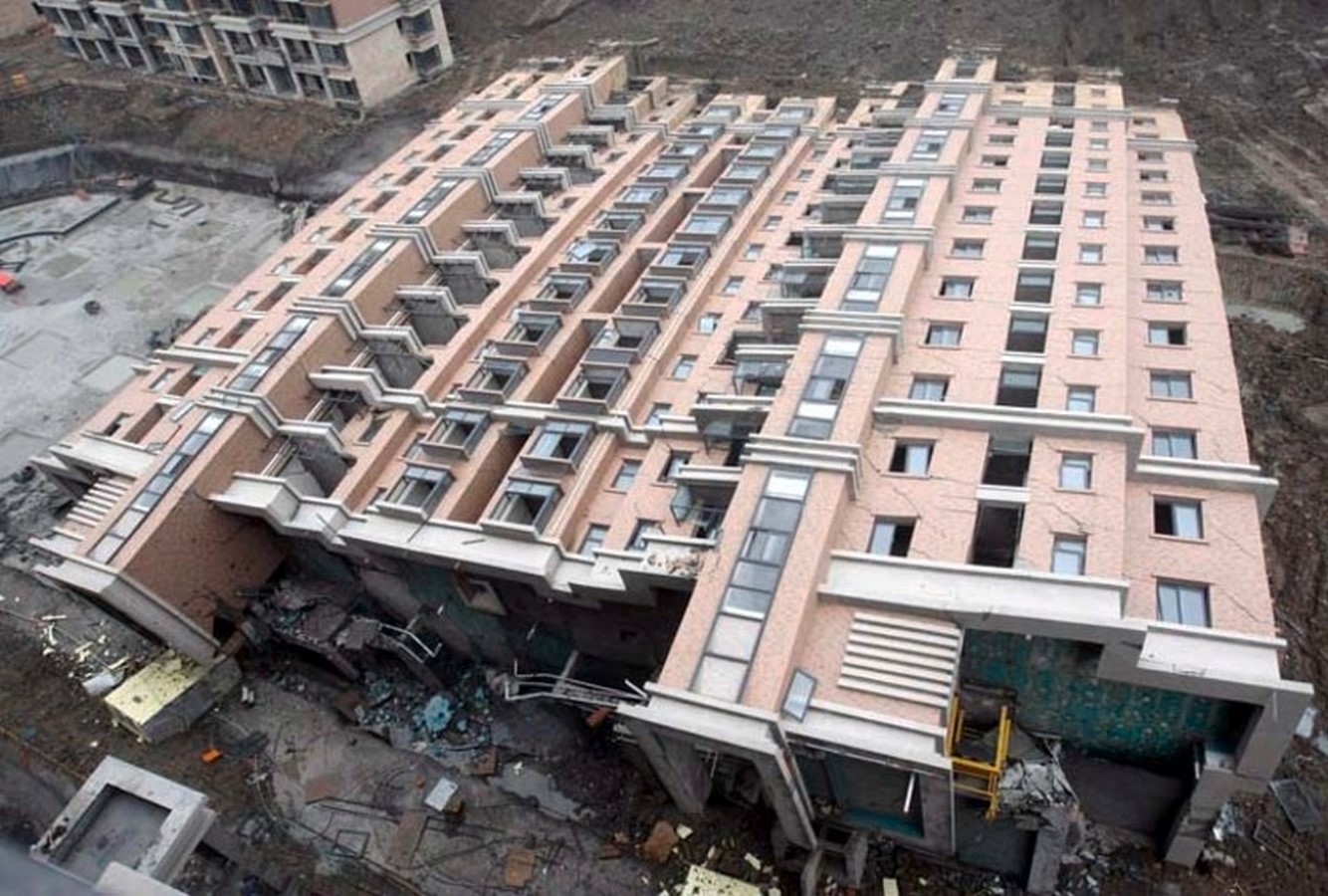






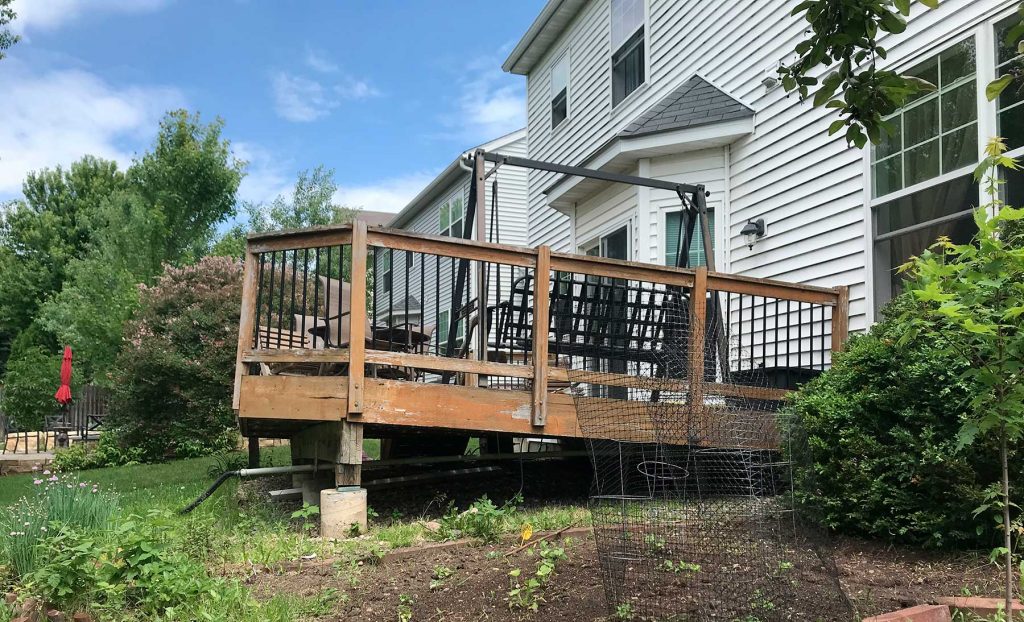

Bad architectural design costs cities and businesses billions annually in hidden expenses that most people never consider. From health impacts to economic losses, poorly designed buildings create ripple effects that persist for generations.
This 3,200-word investigation reveals the shocking true costs of architectural failures, how to identify problematic designs early, and strategies to avoid these expensive mistakes.
A. The Health Toll of Bad Design
1. Physical Health Consequences
- Sick Building Syndrome: 23% higher illness rates in poorly ventilated structures
- Ergonomic Injuries: $50B annual cost from bad workplace layouts
- Lighting Deficiencies: 57% more eye strain cases in windowless offices
2. Mental Health Impacts
| Design Flaw | Psychological Effect | Treatment Cost |
|---|---|---|
| Windowless spaces | 42% higher depression risk | $12,800/patient/year |
| Poor acoustics | 35% increased anxiety | $9,200/patient/year |
| Confusing layouts | Chronic stress symptoms | $7,500/patient/year |
3. Premature Mortality Factors
- A. Toxic material exposure (asbestos, VOCs)
- B. Poor emergency evacuation designs
- C. Heat island effects in dense urban areas
B. Economic Costs of Architectural Failures
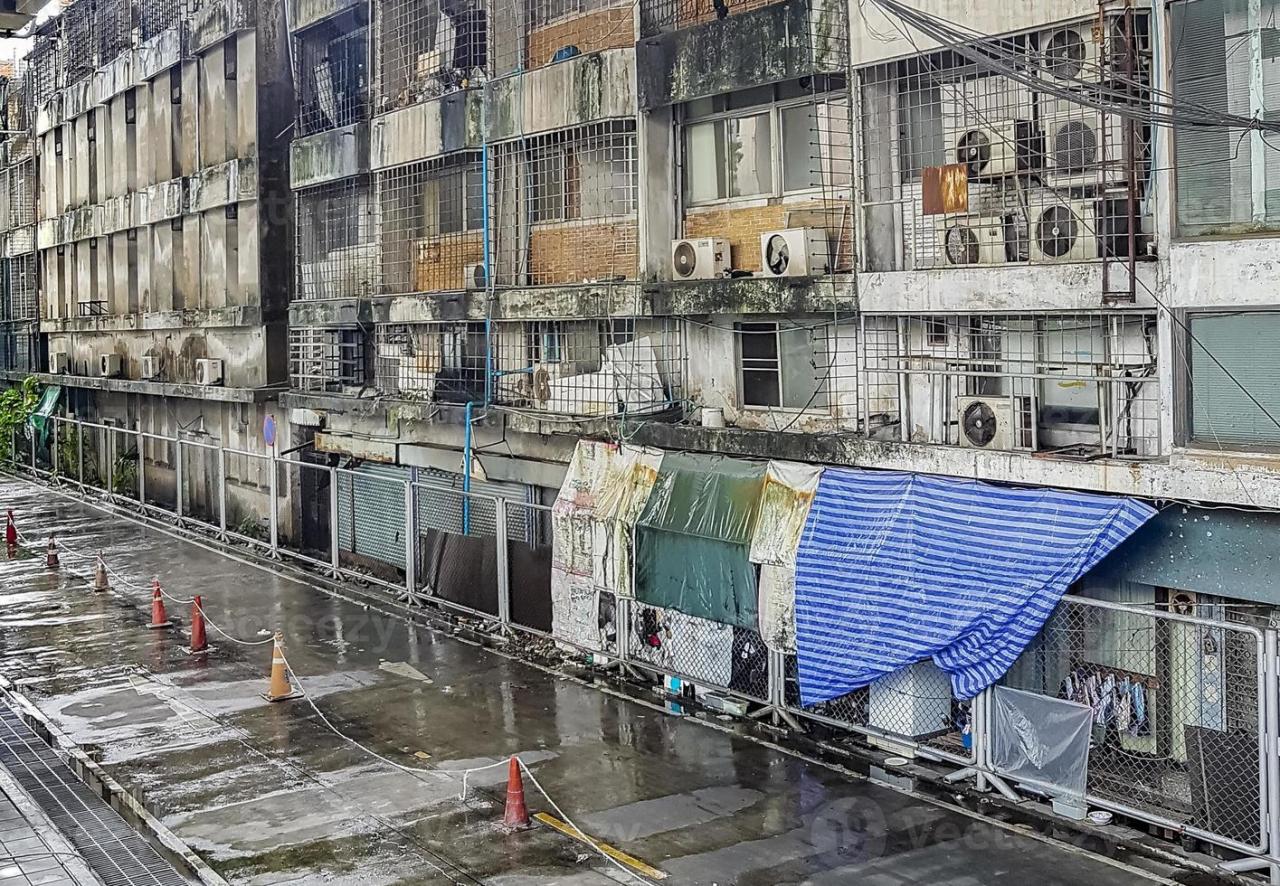 1. Direct Financial Losses
- Construction Errors: $40B annual rework costs globally
- Energy Waste: 30-50% higher utility bills in inefficient buildings
- Premature Demolition: 19% of commercial buildings replaced early
2. Productivity Drain
- Office Layout Issues: 15-25% productivity loss
- Retail Design Flaws: 30% fewer sales in confusing stores
- Educational Spaces: Test scores 18% lower in poor facilities
3. Property Value Impacts
| Architectural Problem | Value Reduction |
|---|---|
| Poor natural light | 12-18% |
| Bad traffic flow | 8-15% |
| Outdated utilities | 20-25% |
C. Environmental Damage Costs
1. Resource Waste
- A. 40% of landfill waste from construction
- B. 30% material over-ordering standard practice
- C. 25% energy wasted in inefficient designs
2. Carbon Footprint
- Demolition Emissions: Equivalent to 5,000 cars/year per building
- Inefficient HVAC: 28% of urban carbon emissions
- Transportation Impacts: Poor planning adds 45% to commutes
3. Ecosystem Destruction
- A. Improper water runoff management
- B. Light pollution disrupting wildlife
- C. Heat islands increasing local temps
D. Social & Community Costs
1. Urban Decay Acceleration
- A. Brutalist housing projects’ failure
- B. Car-centric suburban spraw