







The tiny house movement has gained massive popularity in recent years, offering an affordable and sustainable alternative to traditional housing. With skyrocketing real estate prices and increasing environmental concerns, more people are turning to tiny homes as a practical solution.

This in-depth guide explores how tiny houses save money, their financial benefits, and why they’re a smart choice for budget-conscious and eco-friendly individuals.
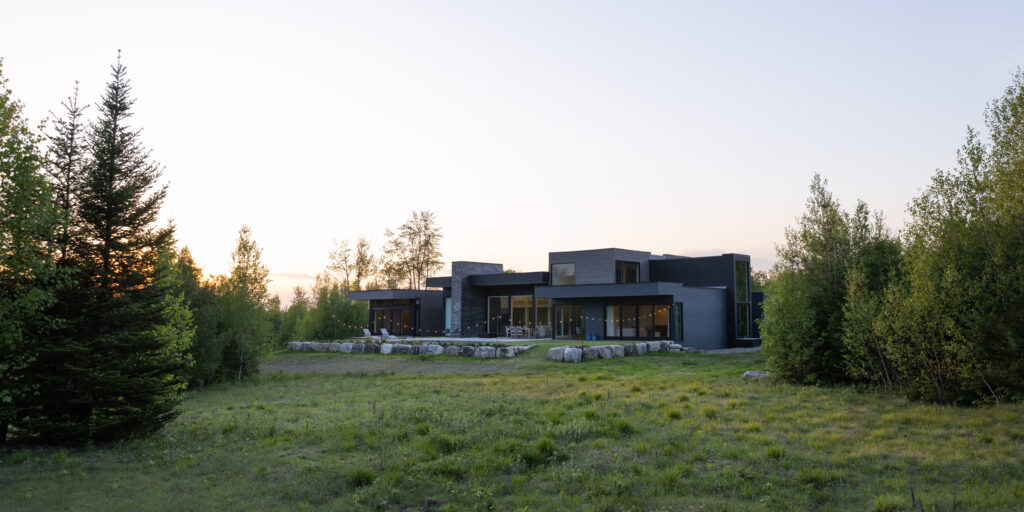
A. Why Tiny Homes Are a Financial Game-Changer
Tiny homes, typically under 400 square feet, provide significant cost savings compared to conventional houses. Here’s how:
1. Lower Initial Purchase Price
- Traditional homes average 300,000+∗∗,whiletinyhomescost∗∗30,000–$100,000.
- Prefabricated and DIY options further reduce expenses.
2. Reduced Construction Costs
- Fewer materials mean lower building expenses.
- Simplified designs cut labor costs.
3. Minimal or No Mortgage Payments
- Many tiny homeowners pay in cash, avoiding long-term debt.
- Even financed tiny homes have much smaller loans than traditional mortgages.
4. Lower Property Taxes
- Smaller square footage = lower tax assessments.
- Some states classify tiny homes as RVs, reducing tax burdens.
5. Cheaper Land Costs
- Tiny homes can be placed on inexpensive rural or off-grid land.
- Some owners use family-owned property to avoid land costs entirely.
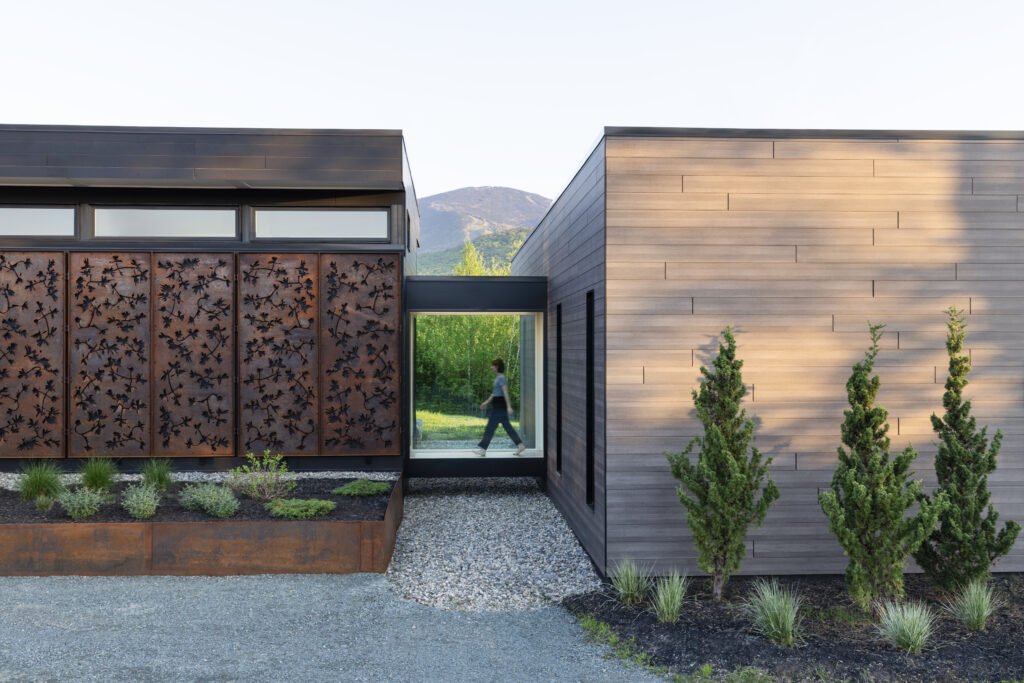
B. Ongoing Savings of Tiny House Living
Beyond the initial purchase, tiny homes continue to save money in daily life.
1. Drastically Lower Utility Bills
- Less space = less heating, cooling, and electricity usage.
- Many tiny homes use solar panels or composting toilets to slash bills further.
2. Minimal Maintenance Expenses
- Fewer repairs and replacements (smaller roofs, plumbing, etc.).
- Easy DIY fixes due to compact layouts.
3. Reduced Insurance Costs
- Tiny home insurance averages 500–1,500/year vs. $1,200+/year for standard homes.
- RV-classified tiny homes may qualify for cheaper policies.
4. No (or Low) Homeowners Association (HOA) Fees
- Many tiny homes are mobile or located outside HOA-regulated areas.
5. Lower Furnishing and Decoration Costs
- Fewer rooms mean less furniture needed.
- Multi-functional furniture (e.g., foldable tables, loft beds) maximizes space.
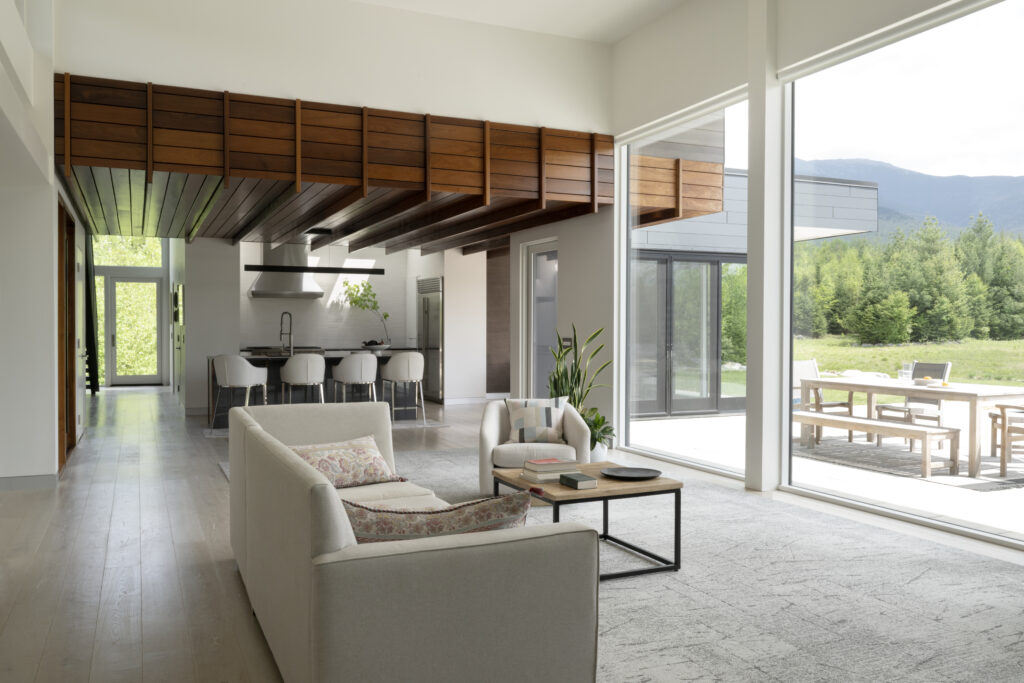
C. Hidden Financial Benefits of Tiny Living
Tiny homes offer indirect financial perks that boost long-term savings.
1. Freedom from Debt
- No mortgage = more disposable income for travel, investments, or early retirement.
2. Increased Mobility & Lower Relocation Costs
- Wheeled tiny homes can move without selling property.
- Ideal for remote workers and digital nomads.
3. Encourages Minimalist Spending Habits
- Limited space reduces impulse purchases.
- Forces intentional, budget-friendly consumption.
4. Potential Rental Income
- Renting out a tiny home on Airbnb or long-term can generate extra cash.
5. Eco-Friendly Savings
- Lower energy consumption = smaller carbon footprint and utility bills.
- Rainwater harvesting and solar power reduce reliance on municipal services.
D. Comparing Tiny Homes vs. Traditional Homes
| Expense Category | Tiny Home Cost | Traditional Home Cost |
|---|---|---|
| Initial Purchase | 30K–100K | $300K+ |
| Monthly Utilities | 20–100 | 200–500 |
| Property Taxes | 100–1,000/year | 2,000–10,000/year |
| Maintenance | $500/year | $2,000+/year |
| Insurance | 500–1,500/year | $1,200+/year |
E. Challenges & How to Overcome Them
While tiny homes save money, they come with unique challenges.
1. Zoning & Legal Restrictions
- Many areas ban tiny homes as permanent residences.
- Solution: Research tiny-home-friendly locations or classify as an RV.
2. Limited Space for Families
- Not ideal for large families.
- Solution: Opt for slightly larger “small homes” (500–1,000 sq ft).
3. Financing Difficulties
- Banks often don’t offer traditional mortgages for tiny homes.
- Solution: Seek personal loans, RV loans, or builder financing.
F. Is a Tiny Home Right for You?
Tiny living isn’t for everyone, but if you value:
✔ Financial freedom
✔ Sustainability
✔ Minimalist lifestyle
✔ Mobility & flexibility
…then a tiny home could be a life-changing money-saving solution.
Final Thoughts
Tiny homes offer a revolutionary way to cut housing costs while promoting sustainability and simplicity. From lower upfront prices to reduced monthly bills, the financial benefits are undeniable. Whether you’re looking to escape debt, downsize, or live more eco-consciously, tiny homes provide a smart, budget-friendly alternative to traditional housing.