






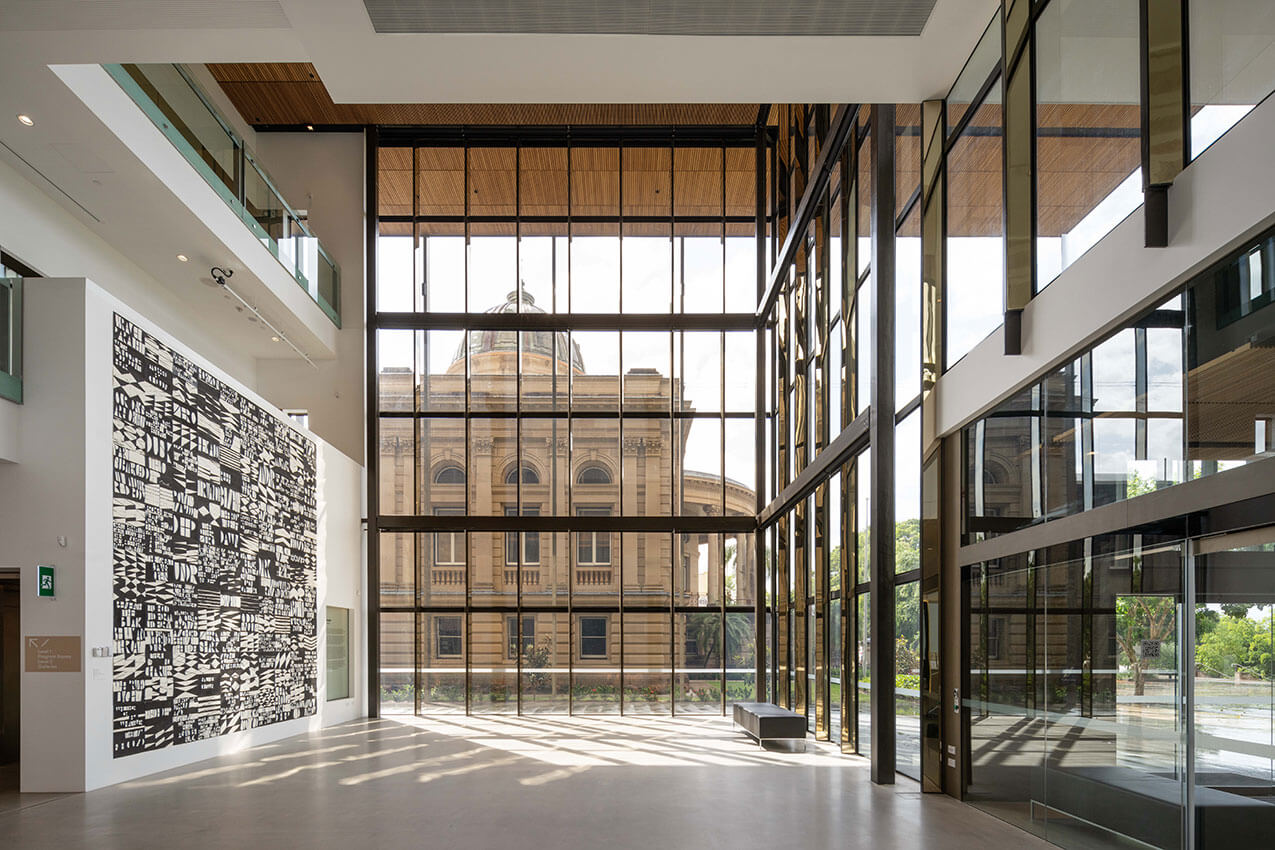
The architectural landscape is evolving rapidly, and Australian architects have emerged as key players on the global stage. Through a unique blend of innovation, sustainability, and cultural context, these designers are redefining modern architecture and bridging the gap between traditional techniques and cutting-edge technologies. In this extensive article, we explore the rise of Australian architects in the world arena, their innovative design philosophies, and the impact they have on global trends. We also take a deep dive into notable projects, collaborative endeavors, and future prospects for the profession.

Australian architects are gaining a well-deserved reputation for producing structures that not only stand as symbols of modernity but also respect the environment and cultural heritage. Australia’s diverse landscapes, ranging from expansive deserts to bustling coastal cities, provide an inspiring backdrop for creative exploration. This diversity, coupled with a progressive mindset, has allowed Australian architects to craft innovative solutions that meet the challenges of urban density, climate change, and the demands of a rapidly globalizing world.
What makes Australian architecture particularly notable is its combination of minimalist elegance and a commitment to sustainable and environmentally friendly practices. This approach is not just an aesthetic preference but a necessity driven by Australia’s unique climate and ecological conditions. In a world where architecture increasingly must address issues of sustainability and efficient resource usage, Australian professionals are leading the way.
The ensuing sections detail the historical background, key influences, and the strategies that have helped shape their distinct style. We will discuss in detail the notable figures from Australia, the design philosophies they embrace, and how their efforts are recognized internationally, influencing trends and setting benchmarks in various architectural fields.
Historical Context and Cultural Influences
Australia’s architectural heritage is rich and varied, shaped by indigenous traditions, colonial influences, and modern innovation. The country’s native heritage contributes significantly to its architectural narrative. Indigenous Australians have long practiced sustainable building techniques that harmonize with nature, an ethos that resonates in modern designs and influences contemporary architectural thinking.
A. Colonial Legacy
-
A.1. Early European Structures:
The colonial era brought European design principles that introduced rigid symmetry and classical styles. Although these early designs were functional, they gradually evolved as architects began to incorporate local materials and adapt to the continent’s harsh climate. -
A.2. Adaptation to Local Climates:
As European settlers encountered Australia’s vast climatic differences, they adapted their building techniques. This adaptation led to unique ventilation systems, innovative roof designs, and a cautious approach to spatial layouts—all elements that continue to influence contemporary architecture.
B. Indigenous Architectural Wisdom
-
B.1. Connection to the Land:
Indigenous structures were deeply intertwined with the natural environment. The principles of location, sustainability, and the use of available resources are intrinsic to traditional practices. -
B.2. Sustainable Practices:
Techniques such as passive cooling and efficient material use, long mastered by indigenous builders, have inspired modern architects to develop designs that meet both aesthetic and environmental goals.
C. Post-War Modernism and Innovation
The post-war period witnessed a surge in modernism across Australia. Architects sought new materials, such as concrete and steel, and embraced a philosophy that focused on clean lines and functional design. This era marked a pivotal shift in the architectural landscape, paving the way for experimental forms and the integration of emerging technologies.
-
C.1. Introduction of New Materials:
The adoption of modern materials allowed architects to experiment with form and structure in ways that were previously unimaginable. The use of raw concrete, glass, and steel became synonymous with modern Australian architecture. -
C.2. Influence of International Trends:
As Australia’s designers engaged with global trends, they synthesized international modernist aesthetics with local sensibilities, establishing a distinctive style that resonates on a global scale.
The Rise to Global Prominence
Australian architects have steadily made their mark on the international stage by pushing the boundaries of design and innovation. Their success is rooted in a number of factors:
A. Emphasis on Sustainability
Sustainability is a cornerstone in the development of modern architecture, particularly in Australia, where environmental challenges are acute. Architects in Australia consistently integrate sustainable practices into their designs:
-
A.1. Green Building Practices:
Leveraging renewable energy sources, enhancing natural ventilation, and designing for optimal water use are common themes in Australian architecture. -
A.2. Use of Local and Recyclable Materials:
Many projects incorporate locally sourced materials and recyclable resources, contributing to lower carbon footprints and a more sustainable construction process. -
A.3. Energy Efficiency:
Building designs often include passive solar heating, natural cooling methods, and state-of-the-art insulation techniques. These energy-efficient strategies not only reduce operating costs but also align with global efforts to combat climate change.
B. Technological Advancements and Innovation
Australian architects are quick to adopt new technologies that streamline design processes and enhance structural integrity.
-
B.1. Digital Design and BIM:
The implementation of Building Information Modeling (BIM) has revolutionized how projects are planned, executed, and maintained, ensuring greater accuracy and coordination. -
B.2. Advanced Construction Methods:
From modular construction to innovative concrete casting techniques, technological advancements have allowed for complex designs that were once thought to be impossible. -
B.3. Integration of Smart Systems:
The development of smart buildings, equipped with integrated security, climate control, and automated management systems, has positioned Australian architects as pioneers in modern building intelligence.
C. Creative and Cultural Expression
Australian architects do not just build structures; they craft narratives that are deeply embedded in the local culture while resonating on a global scale.
-
C.1. Design as Storytelling:
Each building tells a story, whether it is the narrative of a city’s evolution, the homage to the indigenous heritage, or the forward-looking vision of futuristic design. -
C.2. Artistic Expression and Innovation:
Australian architects often collaborate with artists, urban designers, and environmental planners to create projects that are not only functional but also visually captivating and deeply symbolic. -
C.3. Multifunctional Spaces:
Many projects are designed with multifunctional use in mind, serving as public spaces, cultural hubs, and commercial centers simultaneously. This versatility adds layers to the narrative of each architectural accomplishment.
Notable Australian Architects and Their Contributions
Several architects have been at the forefront of this global recognition, each contributing uniquely to Australia’s architectural heritage. Their innovative approaches have become benchmarks in various areas, from sustainable design to urban development.
A. Peter Stutchbury
An influential figure in modern sustainable architecture, Peter Stutchbury is renowned for his commitment to eco-friendly design and resilience. His work consistently emphasizes the integration of natural landscapes with urban environments, creating a harmonious balance between built and natural elements.
-
A.1. Sustainable Urban Planning:
His projects often incorporate native flora, adaptive reuse of existing structures, and strategies that anticipate environmental changes. -
A.2. Modern yet Timeless:
Stutchbury’s design philosophy is characterized by a minimalist approach that pays homage to nature while incorporating state-of-the-art technology.
B. Harry Seidler
A visionary architect whose contributions have shaped contemporary Australian architecture, Harry Seidler is celebrated for his innovative use of modern materials and engineering techniques. His designs are noted for their bold forms, meticulous detailing, and a forward-thinking approach that has set new standards in urban architecture.
-
B.1. Innovative Structural Design:
Seidler’s work frequently explores new ways to harness natural light, optimize spatial efficiency, and create visually striking urban landscapes. -
B.2. Iconic Urban Landmarks:
Many of his projects have become iconic, symbolizing the dynamic spirit of Australian architecture on the world stage.
C. Glenn Murcutt
Glenn Murcutt’s work is synonymous with environmentally sensitive design. His philosophy centers on the idea that architecture should have minimal impact on nature while enhancing the overall well-being of its users. Murcutt’s designs are both simple and profound, creating spaces that are a natural extension of their environments.
-
C.1. Harmony with Nature:
Murcutt’s projects consistently integrate natural elements such as water, vegetation, and open sky, creating a seamless interaction between the building and its surroundings. -
C.2. Adaptability and Innovation:
His adaptive designs emphasize low energy consumption and sustainable materials, setting a precedent for modern eco-friendly architecture.
D. Further Influential Figures
In addition to these giants, a new generation of Australian architects is emerging, bringing fresh perspectives and innovative techniques that challenge traditional norms.
-
D.1. Emerging Voices:
Young architects are embracing digital design, interactive spaces, and experimental forms to redefine what Australian architecture can be. -
D.2. Global Collaborations:
Many of these emerging talents are engaging in international projects, transferring their unique aesthetic and sustainable methods to other countries and cultures. -
D.3. Educational Contributions:
They are also active educators, sharing their insights through lectures, publications, and workshops that inspire a global community of design enthusiasts.
Global Impact and International Recognition
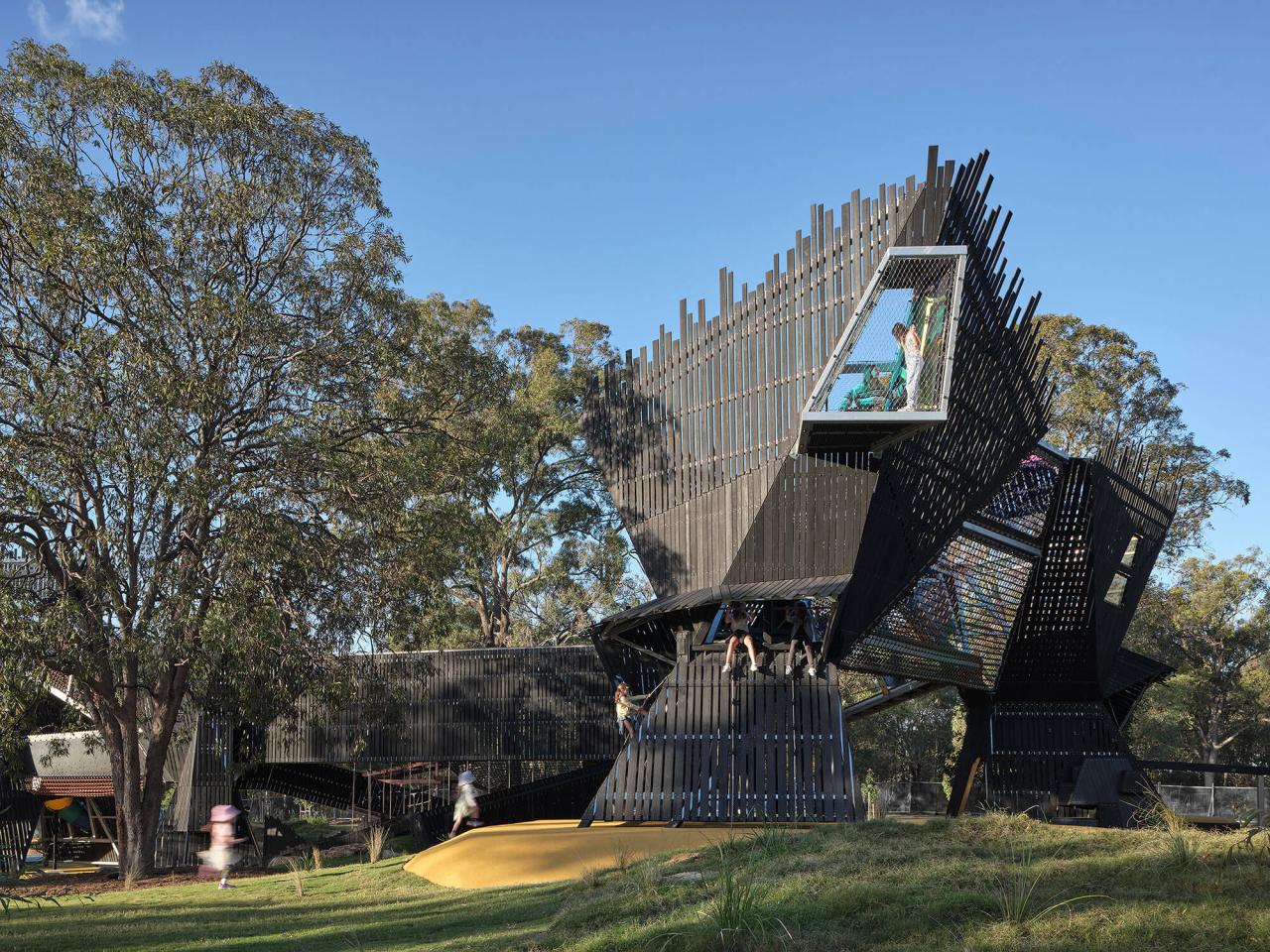
Australian architects have not confined their work to the domestic sphere. Their projects and philosophies have reverberated internationally, leading to numerous accolades and widespread adoption of their design principles.
A. Awards and Honors
Across the globe, Australian architects have been awarded prestigious accolades in recognition of their excellence in design, innovation, and sustainability.
-
A.1. International Awards:
Many Australian-led projects have received international awards that celebrate forward-thinking design and environmental stewardship. -
A.2. Publications and Exhibitions:
Their work is featured in renowned architectural magazines, at exhibitions, and in academic journals, contributing to a growing body of literature that highlights the importance of sustainable and innovative design. -
A.3. Global Rankings:
Australian firms consistently rank among the top in global architectural competitions, reflecting their influence and the relevance of their design philosophies.
B. Contributions to Urban Renewal
Australian architects have also played a significant role in urban regeneration projects, transforming underutilized spaces into vibrant urban centers. Their projects emphasize the connection between architectural innovation and community revitalization.
-
B.1. Adaptive Reuse Projects:
By converting old industrial sites and historical buildings into modern community hubs, these architects have preserved cultural heritage while injecting new life into urban areas. -
B.2. Community-Focused Design:
Incorporating public spaces, cultural centers, and recreational areas, these projects are designed to foster community engagement and social interaction. -
B.3. Collaboration with Local Authorities:
Successful urban renewal projects often involve collaboration between architects, local government, and community stakeholders to ensure that developments are both functional and beneficial to all residents.
C. Influence on International Design Trends
The innovative approaches developed by Australian architects are influencing design trends worldwide.
-
C.1. Sustainable Architecture:
Their work has set benchmarks for energy efficiency, use of renewable materials, and overall sustainability that are being replicated globally. -
C.2. Minimalist Aesthetics:
The integration of minimalist design with the natural environment is now a recurring theme in contemporary architecture internationally. -
C.3. New Design Methodologies:
The use of digital tools and smart technologies in Australian projects provides valuable case studies for architects and engineers tackling the challenges of modern construction.
Architectural Innovation and Sustainable Practices
The modern architectural ethos increasingly revolves around innovative techniques and sustainability. Australian architects have embraced this revolution wholeheartedly.
A. Innovative Design Techniques
Innovation in design is not just about aesthetics; it is about enhancing functionality, improving efficiency, and reducing environmental impact.
-
A.1. Digital Modeling and Simulation:
Advanced digital tools enable architects to simulate building performance, optimize spatial design, and forecast the impact of environmental factors. -
A.2. Parametric Design:
This method allows for the creation of complex geometries and adaptive structures that respond dynamically to the surrounding environment. -
A.3. Prefabrication and Modular Construction:
Techniques such as prefabricated panels and modular building units accelerate construction timelines while maintaining high-quality standards and reducing waste.
B. Integration of Eco-Friendly Practices
Sustainability and eco-friendly design practices are deeply embedded in the strategies adopted by Australian architects.
-
B.1. Passive Design Strategies:
Techniques that capitalize on natural sunlight, passive cooling, and effective insulation are central to reducing energy consumption. -
B.2. Renewable Energy Integration:
Solar panels, wind energy systems, and other renewable sources are increasingly integrated into building designs, reflecting a commitment to environmental responsibility. -
B.3. Water Conservation and Management:
Innovative systems for harvesting rainwater and reducing water waste play a critical role in many projects.
C. Smart Building Technology
As technology becomes more integrated into our daily lives, smart buildings represent a natural extension of contemporary architecture.
-
C.1. Automated Systems:
From climate control to security, automated systems enhance the functionality and user experience of modern buildings. -
C.2. Internet of Things (IoT) Integration:
The use of IoT devices in building management allows for real-time monitoring and adjustment of environmental conditions, ensuring efficient operation. -
C.3. Data-Driven Design:
By analyzing usage patterns and environmental data, architects are able to make informed design decisions that optimize performance and sustainability.
Regional and Global Collaborations
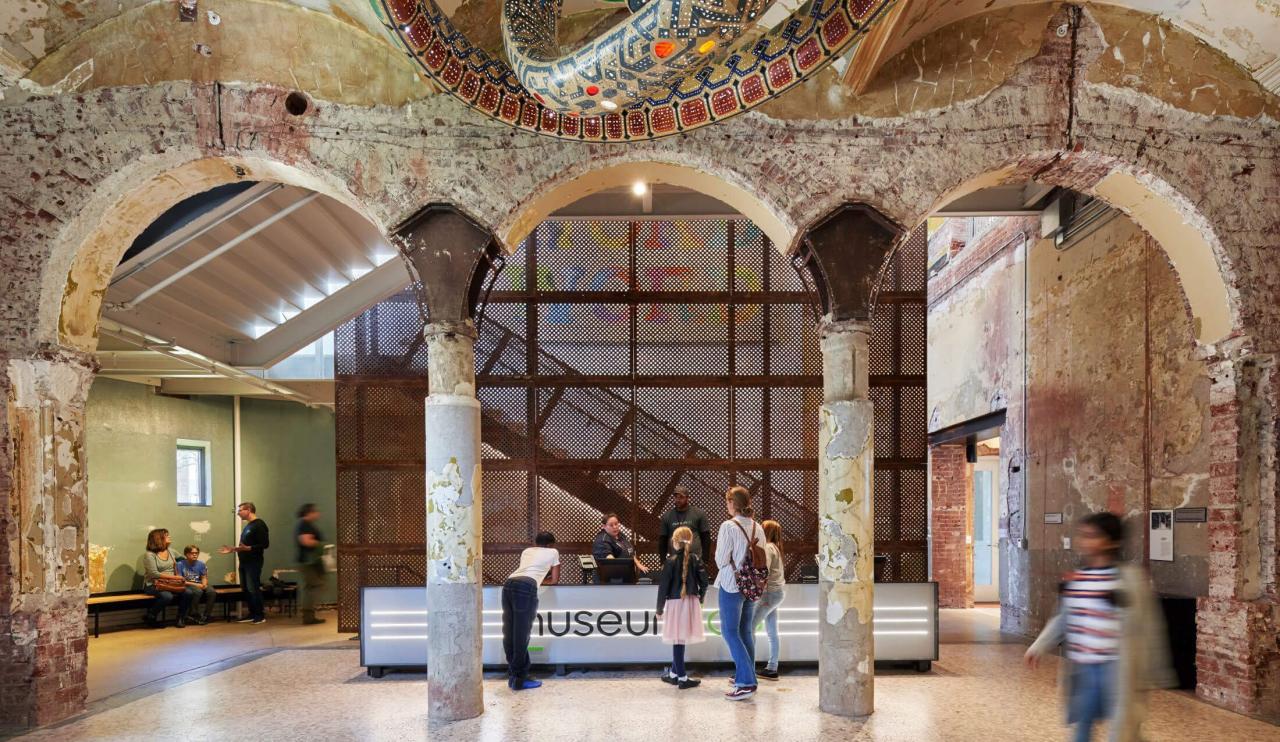
Australian architects are actively participating in international projects and collaborations, reflecting a new trend toward cross-cultural exchange. This spirit of collaboration is essential for the evolution of design practices around the world.
A. Joint Ventures and Partnerships
Successful collaborations between Australian firms and international partners have resulted in groundbreaking projects that integrate diverse perspectives.
-
A.1. Multinational Projects:
Working on projects around the globe, Australian architects have been able to adapt their design philosophies to different cultural and climatic contexts. -
A.2. Cross-Disciplinary Collaborations:
Partnerships with engineers, urban planners, and environmental consultants have enriched the architectural process, leading to more comprehensive and innovative designs. -
A.3. Knowledge Exchange Programs:
Educational and professional exchange initiatives have further enhanced the global profile of Australian architecture, allowing for the mutual sharing of ideas and best practices.
B. Contribution to Global Discourse
Australian architects frequently participate in international conferences, symposiums, and academic forums. Their active engagement in the global discourse on architecture enables them to both influence and learn from global trends.
-
B.1. Thought Leadership:
Through lectures, writings, and public engagements, they contribute significantly to discussions on sustainability, design innovation, and urban development. -
B.2. Collaborative Publications:
Joint research and publications in reputed architectural journals further cement the reputation of Australian architects as global thought leaders. -
B.3. Innovative Workshops and Seminars:
Hosting international workshops, these professionals share practical insights and experiences that drive future innovations and foster a collaborative environment.
Future Prospects and Emerging Trends
As global challenges evolve, so too must architectural practices. Australian architects are at the forefront of addressing emerging trends and preparing for the future of the built environment.
A. Embracing Changing Urban Landscapes
Urbanization continues to accelerate worldwide, necessitating flexible and adaptive architectural solutions.
-
A.1. Smart Cities:
The concept of smart cities—urban areas enhanced with digital technology—stands as a key area where architectural innovation and urban planning converge. Australian designers are actively involved in shaping these futuristic urban centers, ensuring that they are sustainable, resilient, and user-friendly. -
A.2. Adaptive Reuse Projects:
Revitalizing old structures to meet contemporary needs is another significant trend. Australian architects are experts in transforming legacy buildings into modern spaces that are both functional and respectful of cultural heritage. -
A.3. Resilient Design:
In response to environmental uncertainties, resilient design strategies that prioritize flexibility and robustness are becoming central to new projects.
B. The Role of Digital Disruption
Digital tools and technologies are reshaping how architects design, plan, and execute projects, promising a future of greater efficiency and creativity.
-
B.1. Virtual and Augmented Reality:
These technologies offer immersive ways to visualize projects during the design phase, enabling architects to make more informed decisions and better communicate their vision to stakeholders. -
B.2. AI and Machine Learning:
Predictive analytics and design automation powered by artificial intelligence can optimize various aspects of building design, from energy consumption to spatial arrangement. -
B.3. Collaborative Online Platforms:
Modern communication tools facilitate real-time collaboration among international teams, accelerating project timelines and enriching the creative process.
C. Sustainability as a Long-term Imperative
Sustainability is not a transient trend; it is a long-term commitment shaping the entire industry. Australian architects are continuously researching and implementing strategies that minimize environmental impact while ensuring aesthetic and functional excellence.
-
C.1. Circular Economy in Construction:
Embracing the principles of a circular economy, many architects are exploring ways to design buildings that can be easily repurposed, refurbished, or recycled. -
C.2. Climate-Adaptive Strategies:
The anticipation of future climatic changes is driving the implementation of designs that can adapt to varying conditions, ensuring that structures remain viable over time. -
C.3. Cutting-Edge Eco-Technologies:
Innovations like green roofs, energy-generating facades, and advanced water recycling systems are now integral components of new projects.
Community, Culture, and the Social Impact of Architecture
Architecture is a social art, and the work of Australian architects extends beyond aesthetics to influence community identity, social cohesion, and cultural evolution.
A. Urban Regeneration and Community Revitalization
-
A.1. Public Space Design:
Effective public spaces are essential for vibrant communities. Australian architects design parks, plazas, and community centers that foster social interaction and cultural exchange. -
A.2. Inclusive Design Principles:
By considering the needs of diverse populations, architects create spaces that are accessible and welcoming to all. -
A.3. Legacy Projects:
Many landmark projects serve as catalysts for urban renewal, transforming neglected areas into lively, economically robust communities.
B. Cultural Expression in Design
Cultural narratives form an integral part of architectural identity. Australian architects often incorporate local art, indigenous symbolism, and historical motifs into their designs, creating environments that celebrate and perpetuate cultural heritage.
-
B.1. Fusion of Traditional and Modern Elements:
Merging traditional craft techniques with modern design strategies creates a dynamic tension that reflects a culture in transition. -
B.2. Celebratory Public Art:
Public installations and collaborative projects with local artists underscore the interdependence of architecture and art. -
B.3. Storytelling Through Space:
Every building is a narrative. Australian architects carefully craft spaces that tell the story of their location, its people, and its evolution.
Conclusion
Australian architects are emerging as global leaders, blending innovative design, sustainability, and cultural heritage to push the boundaries of modern architecture. Their work not only revolutionizes the built environment but also offers a compelling vision for the future—one that is rooted in respect for nature, commitment to community, and a relentless pursuit of excellence.
From adaptive reuse to smart city initiatives, their contributions are setting the pace for how urban environments will evolve in response to 21st-century challenges. With a focus on innovation, sustainability, and creative expression, Australian architects are rewriting the blueprint of modern design for a world in transition.
Their impact is felt not just in iconic structures and award-winning projects but also in the everyday lives of communities that benefit from well-designed, forward-thinking spaces. As the global architectural dialogue continues to evolve, the influence of Australian architects offers vital insights into creating resilient, adaptive, and culturally integrated urban landscapes.
In an era where the built environment must balance aesthetics, functionality, and environmental responsibility, the innovations and philosophies of Australian architects stand out as a beacon of creative ingenuity. Their work invites us to reimagine our relationship with the spaces we inhabit and reminds us that true architectural excellence lies in the harmonious interplay of form, function, and the natural world.