





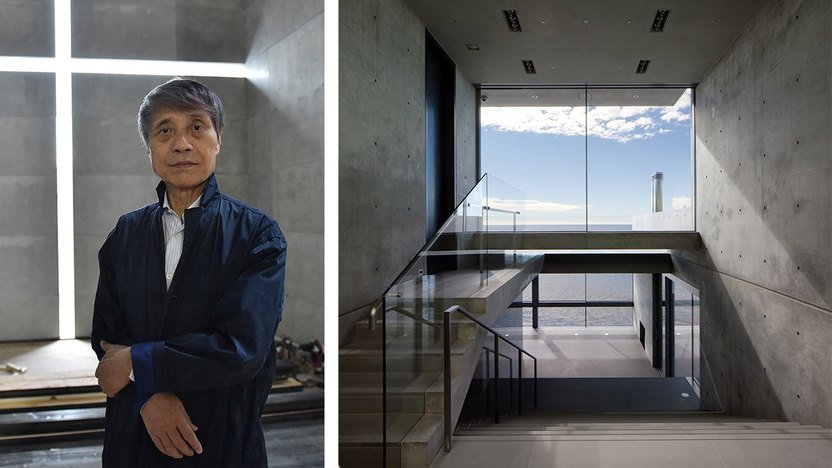
Tadao Ando is a celebrated architect whose work has captured global attention for its seamless integration of minimalism, nature, and spirituality. His architectural philosophy transcends the mere construction of buildings, evolving into a dialogue between space, light, material, and the natural world. In this comprehensive article, we delve into the intricate details of Ando’s design ethos, explore the influences behind his unique style, and examine how his work continues to inspire architects and designers worldwide.
Tadao Ando’s journey in architecture is one that embodies continuous exploration and experimentation. Born in Japan and largely self-taught, Ando’s work defies convention by blending a modern aesthetic with traditional Japanese influences. His designs are characterized by a distinctive use of concrete, natural light, and an emphasis on serenity and introspection. The result is a built environment that emphasizes simplicity, connectivity with nature, and a celebration of materials in their most honest form.
Over the years, his architectural projects—from museums and churches to private residences—have become cultural landmarks, symbolizing a meditative approach to space and form. In this article, we will dissect his architectural philosophy in detail, discussing key components such as his reliance on natural elements, his pioneering use of raw concrete, and the underlying spiritual dimensions that shape his work.
Early Life and Formative Influences
Tadao Ando’s unconventional path to architecture has often been a topic of fascination. Unlike many of his contemporaries, Ando did not receive formal training from an architectural school. Instead, his passion for art and design was honed through travels, self-study, and a keen observation of the natural world. His formative years were marked by encounters with traditional Japanese aesthetics and Zen philosophy, both of which have left an indelible mark on his work.
A. The Role of Zen and Japanese Aesthetics
-
A.1. Zen Influence:
Zen Buddhism emphasizes simplicity, mindfulness, and the beauty of imperfection. These principles resonate deeply within Ando’s work, encouraging a design approach that values minimalism and quiet reflection over ornate detailing. -
A.2. Wabi-Sabi:
Wabi-sabi, the art of finding beauty in imperfection and transience, is another cornerstone of his philosophy. By embracing raw, unfinished materials—most notably concrete—Ando creates spaces that evoke a natural sense of impermanence and organic beauty.
B. Self-Taught Discipline and Global Inspirations
-
B.1. Learning from Nature:
Ando’s dedication to understanding the natural environment is evident in his observation of how light, shadow, and weather transform a space. This knowledge informs his responsive design approach, where every element is carefully considered in relation to the environment. -
B.2. Exposure to Global Architectural Trends:
Although steeped in Japanese tradition, Ando’s work also reflects influences from global modernism. His travels and studies allowed him to blend rigorous functionalism with innovative artistic sensibilities, establishing him as a pioneer in contemporary architecture.
The Core Tenets of Ando’s Architectural Philosophy
Ando’s work is built upon several core principles that collectively define his architectural language. These principles are not isolated; rather, they form an interwoven fabric that dictates every decision, from concept to execution.
A. Honesty in Materials
One of the most striking aspects of Ando’s style is his unflinching commitment to material honesty. Ando often works with raw concrete—a material that is both imposing and serene when treated with sensitivity.
-
A.1. Minimal Processing:
Ando believes that materials should not be overworked or disguised. Instead, they should be celebrated in their raw form, allowing inherent textures, imperfections, and the passage of time to add character to the structure. -
A.2. Sustainability and Local Sourcing:
In many cases, Ando incorporates local and sustainable materials into his designs. This approach not only reduces the environmental impact but also roots the building in its specific geographical context.
B. Interplay Between Light and Shadow
Light is not just a functional requirement in Ando’s designs; it is a vital element that shapes perception and emotion within a space.
-
B.1. Natural Light as a Design Element:
Ando uses natural light to create dynamic spatial compositions. By thoughtfully positioning openings and voids in his buildings, he crafts environments that change with the time of day and the seasons. -
B.2. Creating Contrast:
The interplay of bright light and deep shadows is a signature technique in his work. This contrast enhances the sensory experience, inviting occupants to engage with the built environment in a more intimate way.
C. Spatial Fluidity and Open-Plan Layouts
Ando’s approach to space goes beyond rigid compartmentalization. He envisions architecture as a continuous flow that bridges interior and exterior realms.
-
C.1. Defining Boundaries Through Negative Space:
In Ando’s buildings, the use of voids and open spaces is intentional. These negative spaces serve as transitional zones, softening the boundaries between indoors and outdoors. -
C.2. Seamless Integration with Nature:
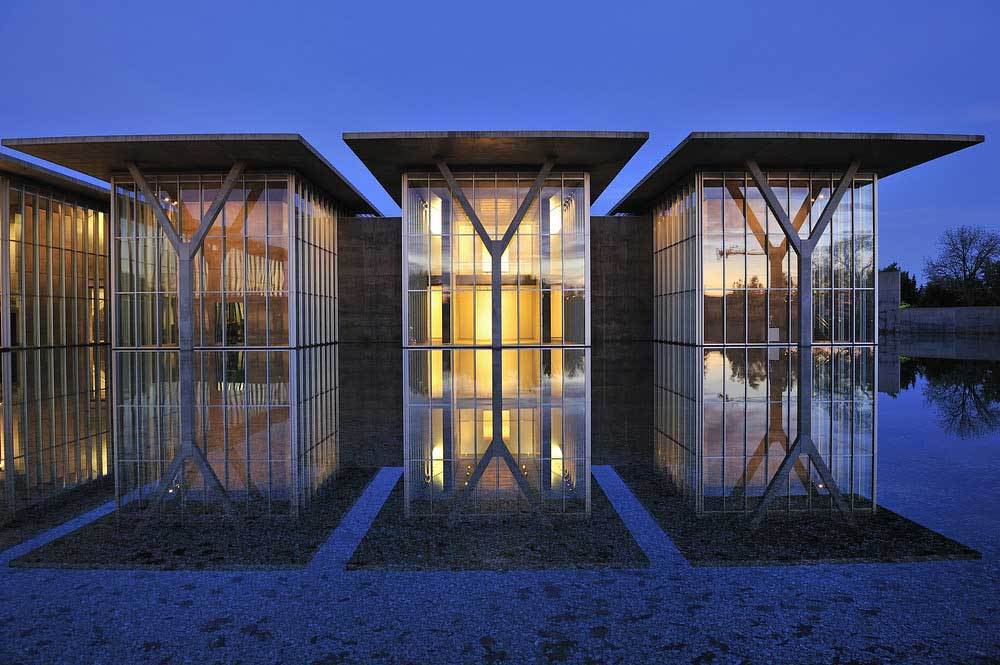
His designs often incorporate large glass facades, sliding doors, and open courtyards to invite the natural world into the interior. This creates a harmonious relationship where nature is not just a backdrop but an active participant in the architectural experience.
D. Spiritual and Meditative Qualities
Underlying Ando’s designs is a deep sense of spirituality. His buildings are not merely physical structures; they are spaces that inspire contemplation and self-reflection.
-
D.1. Sacred Geometry and Proportions:
Ando often employs mathematical precision and balanced proportions to achieve a sense of calm and order. His use of symmetry and measured scales reflects an almost ritualistic dedication to harmony. -
D.2. Creating Havens for Reflection:
Many of his projects, such as chapels and meditation centers, are designed to evoke a serene atmosphere. The minimalist aesthetic coupled with a thoughtful play of light and space creates environments conducive to meditation and introspection.

Signature Projects That Reflect His Philosophy
Over several decades, Tadao Ando has left an indelible mark on the architectural landscape with a series of high-profile projects that serve as real-world embodiments of his philosophy.
A. Church of the Light – Osaka, Japan
One of Ando’s most renowned projects, the Church of the Light, is a powerful example of his ability to blend functionality with spiritual symbolism.
-
A.1. Simplicity and Symbolism:
The building is defined by its stark simplicity—a concrete structure punctuated by a cruciform opening that allows natural light to stream in, creating an ethereal effect on the interior walls. -
A.2. Interaction of Light and Material:
The interplay between the rough concrete surfaces and the soft, diffused light transforms the space into a sanctuary for contemplation, emphasizing the transient beauty of the physical world.
B. The Water Temple – Hyogo, Japan
Another remarkable work is the Water Temple, where Ando’s fascination with the elements is vividly illustrated.
-
B.1. Integration of Water:
In this project, water is both a design element and a symbol of purification. The temple’s central feature—a reflecting pool—plays with light and mirror-like surfaces to create an atmosphere of calm and reflection. -
B.2. Blurring of Indoor and Outdoor Spaces:
The structure’s layout is designed to allow uninterrupted views of the surrounding landscape, merging the serene qualities of water with the natural environment in a fluid, almost poetic manner.
C. The Modern Art Museum Projects
Ando has contributed significantly to the world of modern art museums, where his minimalist style is uniquely suited to showcase contemporary works.
-
C.1. Emphasis on the Visitor Experience:
His museum designs prioritize the journey of the visitor. By creating spaces that encourage quiet contemplation, he allows the art to shine without overwhelming visual distractions. -
C.2. Architectural Harmony:
These museums often feature uninterrupted internal spaces, seamlessly integrating natural light and materials to create a balanced environment that supports artistic expression.
D. Private Residences and Commercial Projects
Beyond public institutions, Ando’s influence extends to private residences and commercial buildings, each designed with an unwavering commitment to his core principles.
-
D.1. Residential Serenity:
In private homes, Ando creates sanctuaries that offer privacy, peace, and a direct connection with nature. His designs often incorporate open layouts, minimalistic furnishings, and generous use of natural light. -
D.2. Functional Aesthetics in Commercial Design:
His commercial projects demonstrate that functionality need not come at the expense of beauty. Offices and retail spaces designed by Ando combine elegant simplicity with practical performance, offering environments that are both appealing and efficient.
Technical Mastery and Innovation
While the philosophical dimensions of Tadao Ando’s work often take center stage, his technical mastery is equally noteworthy. His innovative approaches to construction and material usage have paved the way for new methods in sustainable and resilient building practices.
A. Precision in Concrete Casting
Ando’s use of concrete is methodical and precise. The material, often associated with rawness and industriality, is transformed under his guidance into an expressive medium.
-
A.1. Formwork Innovation:
Ando’s techniques in casting concrete involve custom-made formwork that captures intricate textures and subtle nuances. This meticulous process results in surfaces that are both rugged and refined. -
A.2. Durability and Maintenance:
His designs ensure that the concrete remains durable while aging gracefully. The natural wear and patina that develop over time add an organic dimension to the architectural narrative.
B. Light as a Constructive Force
The manipulation of light is not merely aesthetic but a critical structural element in Ando’s projects.
-
B.1. Strategic Openings:
He designs openings and recesses not only to facilitate natural illumination but also to serve as structural markers that guide movement and define spatial hierarchies. -
B.2. Seasonal Variability:
Ando’s buildings are celebrated for their ability to transform with the changing quality of natural light over the course of a day and across seasons, reinforcing the dynamic relationship between built form and the environment.
C. Integration of Modern Technologies
Despite his emphasis on traditional principles and natural materials, Tadao Ando’s work embraces modern technologies and sustainable practices.
-
C.1. Energy Efficiency:
His designs incorporate passive solar heating, high-performance insulation, and climate-responsive technologies to minimize energy consumption, thereby aligning with contemporary environmental standards. -
C.2. Smart Design Integration:
Ando’s approach often involves the use of cutting-edge construction technologies that allow for precise control over material properties and structural behavior. This integration of technology with artistic vision ensures that his buildings are both innovative and sustainable.
Ando’s Impact on Contemporary Architecture
Tadao Ando’s contributions have not only enriched the field of architecture but also inspired a generation of designers to approach building as a holistic discipline. His work has redefined the boundaries of modern architecture by blending the spiritual and the practical.
A. Education and Mentorship
-
A.1. Influencing Emerging Talent:
Ando’s work, through lectures, exhibitions, and workshops, continues to inspire emerging architects worldwide. His philosophies are studied in architectural schools, and his design process is seen as a benchmark for integrating art with function. -
A.2. Global Collaborations:
His collaborations with architects from different cultures have facilitated a cross-pollination of ideas, further emphasizing the global relevance of his design approach.
B. The Legacy of Sustainable Design
-
B.1. Propelling Eco-Friendly Practices:
Although primarily known for his aesthetic achievements, Ando’s use of sustainable materials and energy-efficient design has set a standard for environmentally conscious architecture. He demonstrates that sustainability can coexist with, and indeed enhance, a building’s artistic value. -
B.2. Urban Renewal and Adaptive Reuse:
Ando’s philosophy extends into urban regeneration, with several of his projects repurposing obsolete structures into vibrant cultural centers. This adaptive reuse breathes new life into aging urban landscapes while preserving historical context and cultural memory.
Philosophical Reflections and Theoretical Underpinnings
Beyond the tangible aspects of construction, Ando’s work is deeply rooted in a set of philosophical and theoretical underpinnings that elevate his architecture from functional design to a form of existential expression.
A. The Role of Silence and Minimalism
Ando’s architectural style is synonymous with minimalism—a deliberate removal of the superfluous to reveal the essence of space.
-
A.1. Simplicity as a Path to Clarity:
Minimalism in Ando’s work is not about emptiness but about clarity and focus. By stripping away unnecessary details, his structures encourage occupants to engage more deeply with the fundamental elements of light, space, and materiality. -
A.2. Creating Spaces for Meditation:
The minimalist spaces he crafts often serve as havens for contemplation. The restrained design allows the mind to wander, drawing attention to the interplay of nature and architecture, and turning each visit into a meditative journey.
B. Embracing Paradox and Balance
A recurring theme in Ando’s philosophy is the balance between opposing forces—a synthesis of contrasts that creates harmony.
-
B.1. Hardness and Softness:
The use of rugged concrete juxtaposed with the softness of natural light and organic landscapes creates a delicate balance. Ando’s designs remind us that strength and vulnerability can coexist, enhancing the emotional resonance of a space. -
B.2. Motion and Stillness:
Through careful spatial planning, his buildings evoke both a sense of movement and moments of profound stillness. This duality is seen as a metaphor for life, urging visitors to appreciate both action and tranquility in equal measure.
C. The Interconnectedness of Man, Material, and Environment
At the heart of Ando’s architectural thought is the belief that built environments should be an extension of nature and a facilitator of human well-being.
-
C.1. Design for Life:
Ando approaches each project by considering the human experience. Every element—from the tactile quality of the concrete to the rhythmic play of light—is intentionally curated to foster a deep connection between the user and their surroundings. -
C.2. A Bridge Between Eras:
His work successfully marries traditional techniques with contemporary design practices, forming a continuum that honors the past while embracing the future.
Challenges and Future Directions
While Tadao Ando’s philosophy has garnered widespread acclaim, it also presents challenges that modern architects must address. As the global architectural community continues to evolve, Ando’s principles offer both inspiration and areas for critical reflection.
A. Balancing Tradition With Innovation
-
A.1. Navigating the Globalization of Architecture:
In an era marked by rapid technological advancement and global cultural exchange, maintaining the integrity of traditional influences while embracing modern innovations remains a complex task. -
A.2. Adapting to Evolving Environmental Demands:
Climate change and urban density pose new challenges for sustainable architecture. Ando’s techniques—such as maximizing natural ventilation and light—are increasingly relevant, yet require continual refinement to meet future energy and environmental standards.
B. Cultural Sensitivity and Contextual Adaptability
-
B.1. Designing for Local Contexts:
One of the enduring strengths of Ando’s work is its deep connection to its specific geographic and cultural context. Future applications of his philosophy will need to honor local traditions and material practices while responding to global environmental challenges. -
B.2. Inclusive Design:
As urban populations grow more diverse, architects inspired by Ando’s work must consider inclusivity, ensuring that spaces are accessible, welcoming, and reflective of a broad range of human experiences.
C. The Legacy of Minimalism in a Complex World
-
C.1. Relevance in a Digitally Saturated Society:
In a world inundated with information and sensory stimuli, the minimalist environments championed by Ando offer a respite. However, balancing minimalist principles with the demands of modern, multifunctional spaces requires innovative design strategies. -
C.2. Evolving Aesthetic Norms:
As design trends shift, the timeless appeal of Ando’s work continues to inspire. The challenge for contemporary architects is to retain the philosophical depth and clarity of his work while exploring new forms of expression and functionality.
Conclusion
Tadao Ando’s architectural philosophy is a rich tapestry interwoven with principles of material honesty, spiritual minimalism, and a deep respect for the natural world. His work is not only an aesthetic triumph but also a testament to the potential of architecture to elevate the human spirit. Through the deliberate interplay of light, space, and material, Ando has created iconic structures that serve as timeless sanctuaries for reflection and inspiration.
His enduring legacy is seen in the growing appreciation for sustainable, human-centered architecture—a paradigm that harmonizes the concrete realities of modern construction with the ethereal beauty of nature. As the architectural community continues to grapple with contemporary challenges, the lessons embedded in Tadao Ando’s work remain a guiding beacon for innovation, sustainability, and spiritual connectivity.
In reflecting upon Ando’s contributions, it becomes clear that his designs are more than just buildings; they are experiences that invite us to pause, contemplate, and rediscover the essential connection between man, material, and the environment. His work will undoubtedly continue to influence and inspire those who seek to create spaces that are not only functional but also spiritually nourishing and aesthetically profound.