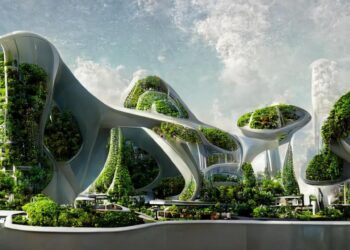






Luxury architecture captivates with stunning designs and premium materials, but beneath the surface lie numerous hidden expenses that can surprise even seasoned developers. This eye-opening investigation reveals the true financial, environmental, and social impacts of high-end architectural projects that rarely appear in glossy brochures.

A. The Illusion of Prestige Pricing
Luxury projects carry invisible markups that dramatically inflate budgets:
A. Designer Premiums – Starchitect fees adding 15-25% to project costs
B. Exclusive Material Surcharges – Rare marbles costing 300% more than commercial grades
C. Custom Fabrication Taxes – One-off metalwork and glass requiring specialized labor
D. Security Upgrades – Advanced systems for high-profile residents
B. Maintenance Nightmares
These stunning structures become financial burdens post-construction:
1. Cleaning Challenges
A. Facade Maintenance – Specialized crews for intricate exteriors ($25-75/sqft annually)
B. Landscape Upkeep – Exotic plants requiring climate-controlled environments
C. Material Degradation – Premium surfaces needing frequent refinishing
2. System Complexities
A. Smart Home Glitches – Proprietary tech requiring manufacturer specialists
B. Climate Control Demands – Oversized HVAC for glass-dominated structures
C. Structural Monitoring – Sensors and engineers tracking unusual movements
C. Environmental Impacts Disguised as Innovation
- Carbon-Intensive Materials – Imported stone and metals with massive transport emissions
- Energy Hog Systems – 24/7 lighting and temperature control for aesthetic spaces
- Water Waste – Decorative features consuming thousands of gallons daily
- Land Use Conflicts – Coastal and hillside developments disrupting ecosystems
D. The Social Cost of Exclusionary Design
A. Community Displacement – Gentrification pressures from luxury developments
B. Labor Exploitation – Underpaid workers creating million-dollar finishes
C. Cultural Erosion – Globalized aesthetics replacing local architectural identity
D. Infrastructure Strain – Private roads and utilities burdening municipal systems
E. Financial Time Bombs
1. Depreciation Surprises
A. Trend-Driven Designs – Quickly dated aesthetics reducing resale value
B. Technological Obsolescence – Cutting-edge systems becoming liabilities
2. Insurance Complexities
A. Catastrophe Coverage – Hurricane/flood risks for waterfront properties
B. Artwork Protection – Insuring built-in architectural features
F. Case Studies: When Luxury Fails
- Miami’s Collapsing Condos – Saltwater corrosion in luxury coastal towers
- Dubai’s Empty Superhomes – Maintenance costs driving owners away
- London’s “Ferrari Homes” – Energy bills exceeding mortgage payments
G. Ethical Alternatives Emerging
A. Quiet Luxury Architecture – Understated quality without ostentation
B. Regenerative Design – Buildings that improve their environments
C. Adaptive Luxury – Spaces that evolve with owner needs
D. Community-Integrated – High-end projects benefiting neighborhoods
Conclusion
The true cost of luxury architecture extends far beyond construction budgets, creating lasting financial, environmental and social consequences. As the industry evolves, a new paradigm of responsible luxury is emerging that values sustainability and community impact alongside aesthetic excellence.
Tags: luxury architecture, hidden costs, sustainable design, architectural ethics, high-end construction, building maintenance, luxury real estate, design economics, architectural waste, responsible architecture