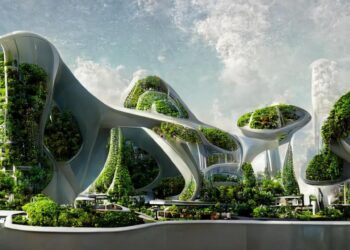







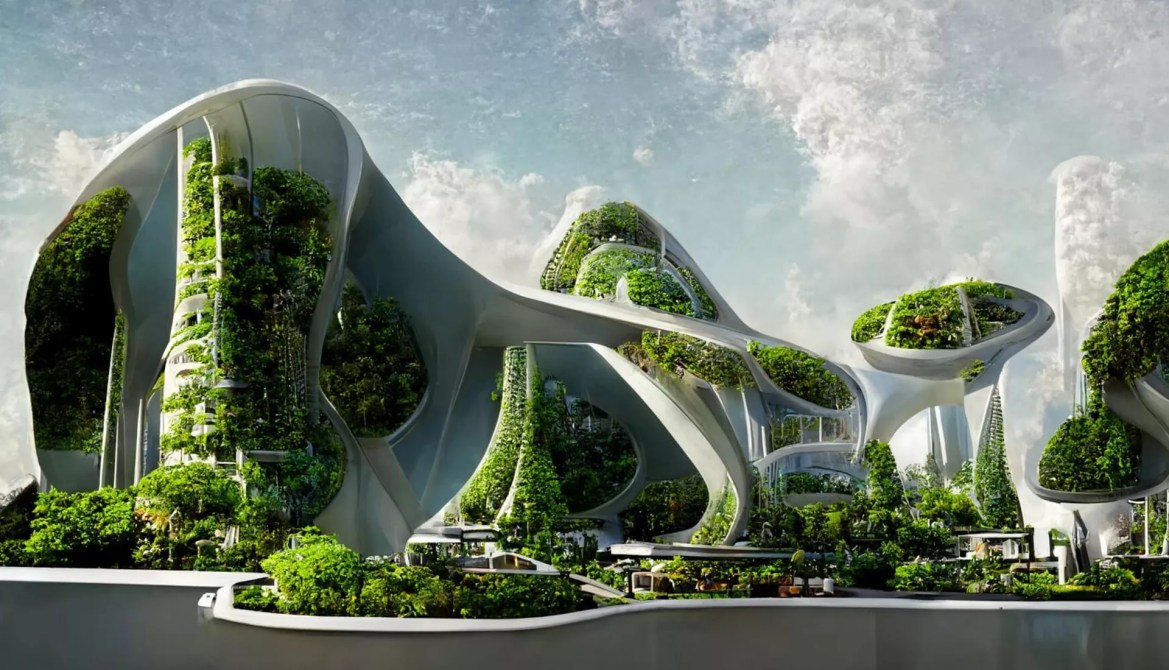

The construction industry stands on the brink of a materials revolution that will redefine how we build our future. From self-healing concrete to transparent aluminum, groundbreaking innovations are transforming buildings from static structures into dynamic, responsive environments. This comprehensive guide explores the most exciting advanced materials entering the construction sector, their game-changing properties, real-world applications, and the profound impact they’ll have on architecture, sustainability, and urban development.
A. The New Era of Construction Materials
Modern construction demands have evolved beyond traditional materials, driving scientists and engineers to develop solutions that are stronger, smarter, and more sustainable. These futuristic materials promise to address critical challenges like climate change, urbanization, and infrastructure resilience while opening unprecedented design possibilities.
1. Key Drivers Behind Material Innovation
-
Sustainability mandates pushing carbon-neutral solutions
-
Urbanization pressures requiring space-efficient technologies
-
Resilience needs for climate-change adaptation
-
Smart city integration demanding responsive infrastructures
B. Groundbreaking Materials Transforming Construction
1. Self-Healing Concrete
The living infrastructure solution
-
How it works: Microcapsules or bacteria secrete limestone to repair cracks
-
Benefits: 50% longer lifespan, reduced maintenance costs
-
Applications: Bridges, tunnels, earthquake-prone regions
-
Current projects: Netherlands’ self-repairing bike paths
2. Transparent Aluminum (AlON)
The bulletproof glass alternative
-
Properties: 85% light transmission with 3x steel’s strength
-
Advantages: Better insulation than glass, military-grade security
-
Uses: Skyscraper facades, blast-resistant windows
-
Development status: Currently used in military applications
3. Carbon Fiber Reinforcements
Lighter than aluminum, stronger than steel
-
Key features: 70% weight reduction, corrosion resistance
-
Construction benefits: Faster assembly, reduced foundation needs
-
Innovative uses: Seismic retrofitting, modular construction
-
Cost analysis: Prices dropping 40% since 2010
4. Graphene-Enhanced Materials
The wonder material’s construction applications
-
Performance boost: 200% stronger concrete with graphene infusion
-
Multifunctional benefits: Conductive, antimicrobial, ultra-light
-
Emerging uses: Smart coatings, structural sensors
-
Commercialization timeline: Expected widespread use by 2030
5. 3D-Printed Construction Materials
Custom geometries impossible with traditional methods
-
Material varieties: Recycled plastic, concrete, lunar regolith simulants
-
Advantages: Near-zero waste, complex organic structures
-
Notable projects: Dubai’s 3D-printed office building
-
Future potential: On-site printing for disaster relief
6. Aerogel Insulation
The ultimate thermal barrier
-
Properties: 99% air, world’s lowest thermal conductivity
-
Construction benefits: Ultra-thin yet super-insulating
-
Applications: Energy-retrofit of historic buildings, space habitats
-
Cost evolution: Prices falling as production scales
7. Programmable Cement
*Nanotech-controlled curing*
-
Breakthrough: Molecular-level structure design
-
Performance gains: 2x compressive strength, 90% less porosity
-
Sustainability impact: 60% lower CO2 emissions
-
Implementation: First commercial use in marine structures
C. The Science Behind These Innovations
1. Nanotechnology in Construction
-
Molecular engineering for precise material properties
-
Self-assembling structures at microscopic scales
-
Smart material integration with sensing capabilities
2. Biofabrication Techniques
-
Fungal mycelium for biodegradable structures
-
Bacterial concrete that grows stronger over time
-
Lab-grown wood alternatives without deforestation
3. Advanced Manufacturing Processes
-
4D printing (materials that self-assemble over time)
-
Atomic layer deposition for ultra-thin coatings
-
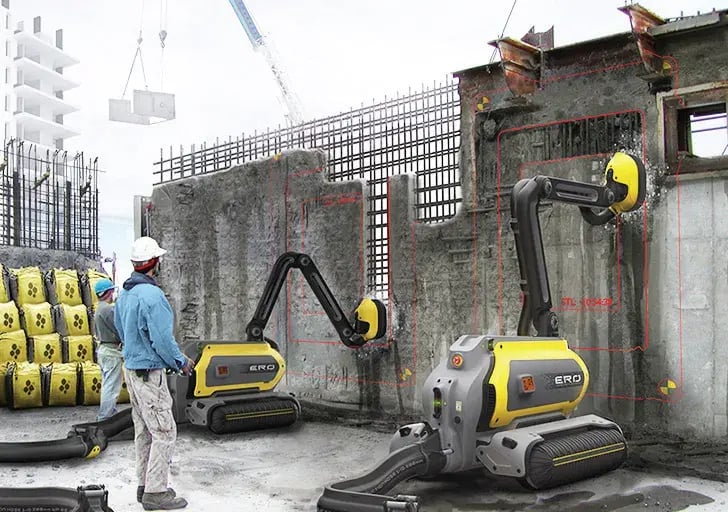
Robotic swarm construction at material level
D. Real-World Impact and Case Studies
| Project | Location | Innovation | Impact |
|---|---|---|---|
| The Hyderabad Airport | India | Graphene-enhanced runways | 50% longer lifespan |
| Bosco Verticale | Milan | Bio-reactive concrete | 20% air pollution reduction |
| MX3D Bridge | Amsterdam | 3D-printed stainless steel | 30% material savings |
| The Cube | Germany | Self-healing concrete facade | 80% maintenance reduction |
E. Overcoming Adoption Challenges
1. Cost Barriers
-
Current premium: 15-200% over conventional materials
-
Lifecycle cost analysis proving long-term value
-
Government incentives accelerating adoption
2. Regulatory Hurdles
-
Testing and certification timelines
-
Building code adaptations for new materials
-
Insurance considerations for novel technologies
3. Industry Mindset Shift
-
Training programs for next-gen builders
-
Demonstration projects building confidence
-
Collaborative R&D between academia and firms
F. Future Outlook: Next-Gen Materials on the Horizon
1. Phase-Change Materials
-
Temperature-regulation through molecular transitions
-
Applications: Passive climate control in buildings
2. Metamaterials
-
Light-bending properties for novel optics
-
Sound manipulation for acoustic architecture
3. Lunar and Martian Materials
-
In-situ resource utilization for space colonies
-
Regolith-based composites tested on Earth
4. Carbon-Negative Materials
-
Atmospheric CO2 sequestration in building components
-
Photosynthetic building skins that generate energy
Conclusion
The construction material revolution is unlocking possibilities that seemed like science fiction just a decade ago. As these futuristic materials transition from labs to job sites, they promise to deliver structures that are more durable, sustainable, and intelligent than ever before. The companies and nations that embrace these innovations earliest will gain significant competitive advantages in the built environment of tomorrow.
Tags: construction materials, futuristic buildings, advanced materials, self-healing concrete, graphene construction, 3D printing architecture, smart materials, sustainable construction, nanotechnology building, innovative infrastructure