






The construction industry is undergoing a radical transformation as 3D printing technology emerges as a game-changer. From residential homes to commercial skyscrapers, additive manufacturing is reshaping how we build—offering unprecedented speed, cost-efficiency, and design freedom.
This 3,000-word in-depth guide explores how 3D printing is disrupting traditional construction methods, showcasing real-world applications, economic benefits, and the future of automated building.
A. The Evolution of Construction 3D Printing
1. From Prototyping to Full-Scale Buildings
- 1980s: First 3D printing patents
- 2014: World’s first 3D-printed building (China)
- 2023: 100+ 3D-printed homes completed weekly in the U.S.
2. Key 3D Printing Technologies in Construction
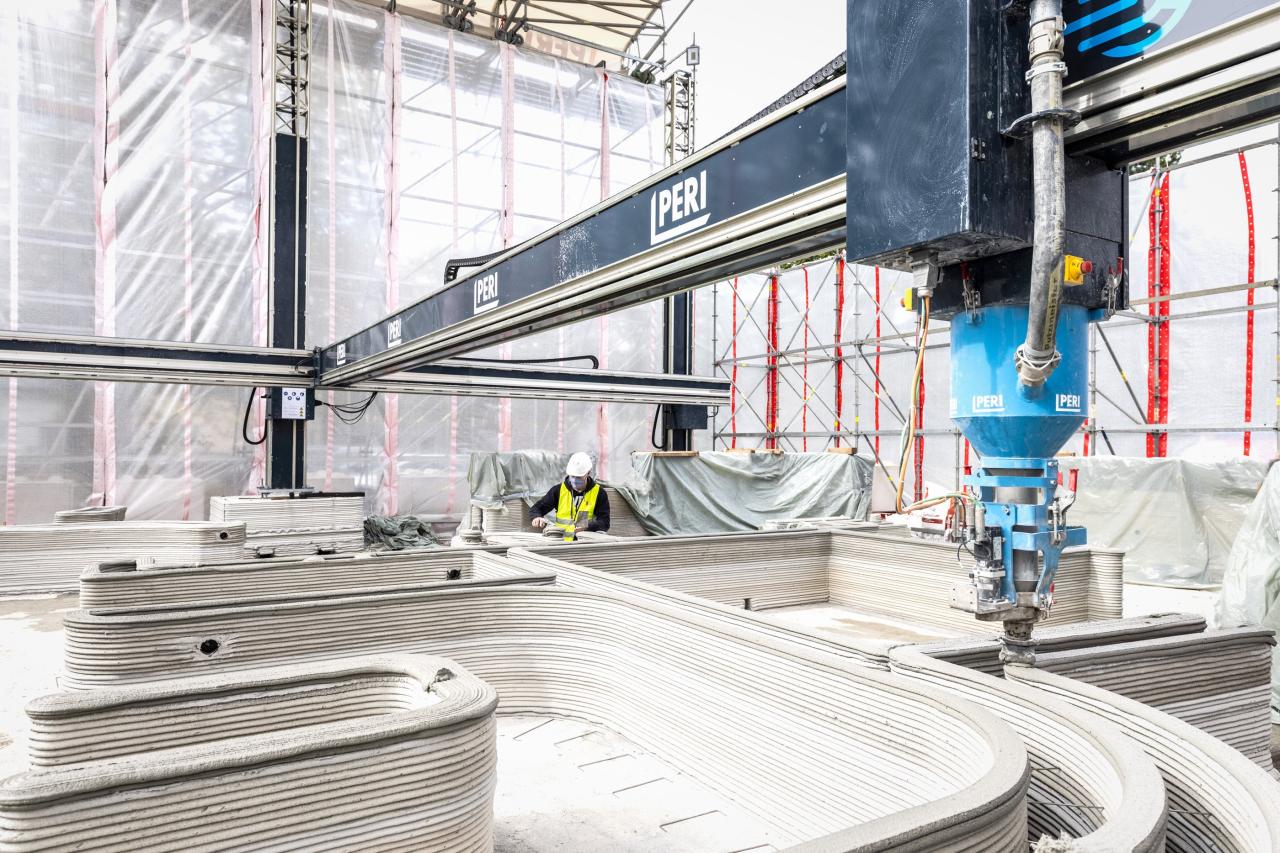
- Extrusion-Based: Concrete layer deposition (most common)
- Powder Binding: Sand/gypsum composite structures
- Metal Printing: Steel framework fabrication
3. Global Adoption Rates
- North America: 42% market share (2023)
- Europe: 28% growth annually (EU Construction 2030 Plan)
- Middle East: Dubai’s mandate for 25% 3D-printed buildings by 2030
B. How 3D Printing Outperforms Traditional Construction
1. Unmatched Speed and Efficiency
| Project Type | Traditional Timeline | 3D-Printed Timeline |
|---|---|---|
| 1,500 sq ft home | 6 months | 48 hours (printing) + 30 days finishing |
| 10-story building | 18 months | 6 months (including foundation) |
2. Cost Reduction Breakdown
- Labor Savings: 60-80% reduction
- Material Waste: 95% less than conventional sites
- Design Changes: Digital updates cost 0vs.15K average for blueprints
3. Architectural Possibilities
- Organic Shapes: Impossible curves with concrete
- Integrated Utilities: Printed conduits and ducts
- Customization: Unique facades at no extra cost
C. Real-World 3D Construction Projects
1. Residential Breakthroughs
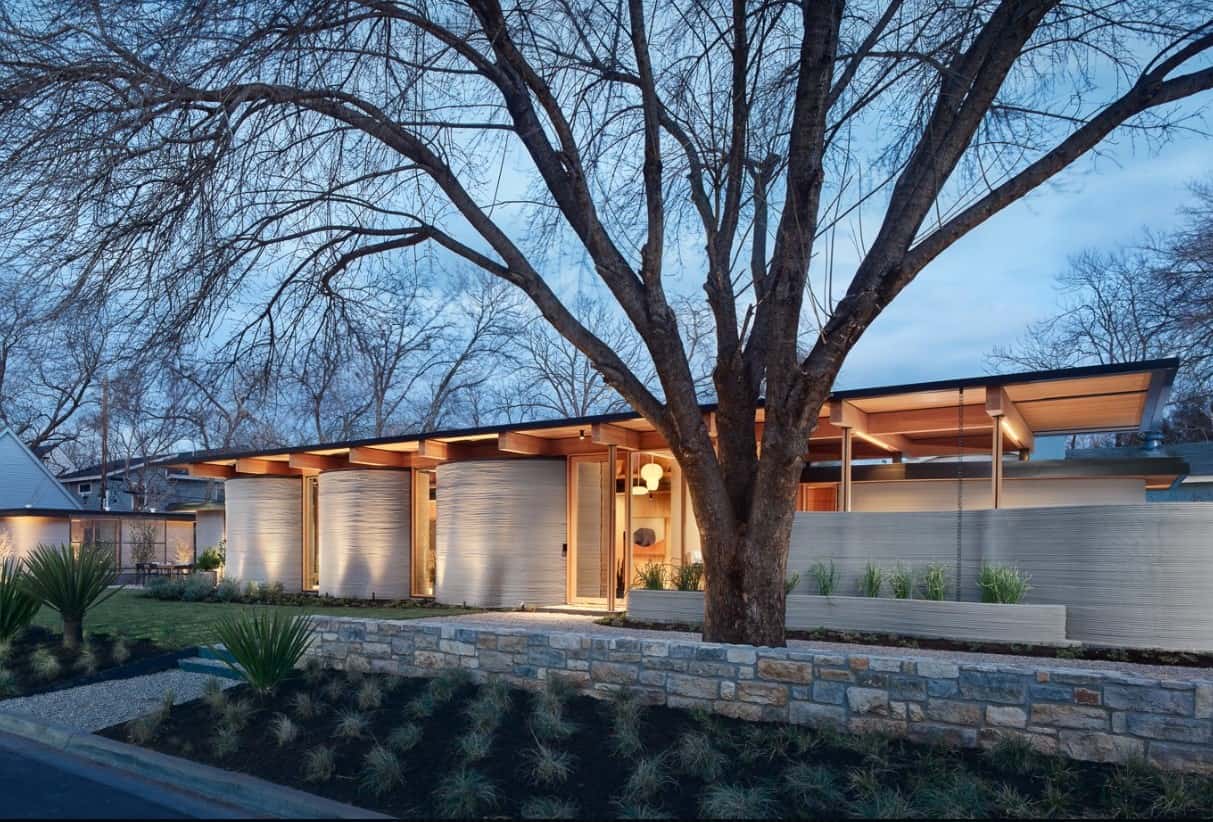
- ICON’s Vulcan System: $450K 3-bedroom homes in Texas
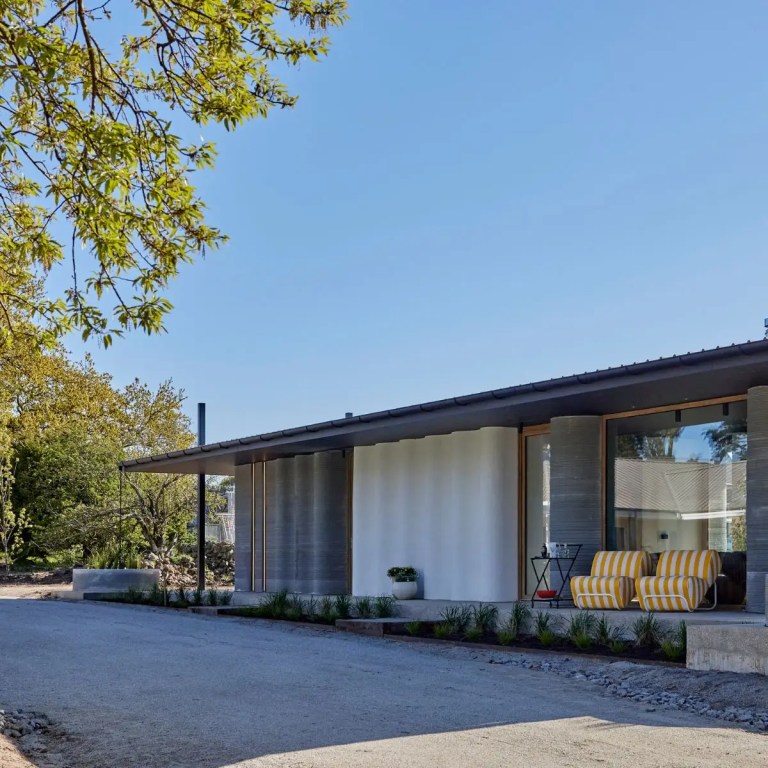
- Mense-Korte’s Germany Home: Europe’s first permitted 3D house
- SQ4D’s ARCS Tech: New York-approved foundations
2. Commercial and Public Structures
- Dubai’s Office of Future: 100% printed in 17 days
- MX3D’s Steel Bridge: Amsterdam’s robotic-welded masterpiece
- NASA’s Lunar Habitats: Simulated Mars housing tests
3. Disaster Relief Solutions
- 14 Houses in 24 Hours: Madagascar’s affordable housing
- Emergency Shelters: Deployable printers for crisis zones
- Flood-Resistant Designs: Elevated printed foundations
D. The Economic Impact of Construction 3D Printing
1. Market Growth Projections
- 2023: $1.5 billion industry
- 2030: $56 billion forecast (CAGR 38.5%)
- Job Creation: 220,000 new robotics/engineering roles
2. Cost Comparison by Component
| Building Element | Traditional Cost | 3D-Printed Cost |
|---|---|---|
| Foundations | $28/sq ft | $6/sq ft |
| Walls | $41/sq ft | $11/sq ft |
| Roof Structures | $37/sq ft | $19/sq ft |
3. ROI for Construction Firms
- Small Builders: 18-month equipment payback period
- Developers: 22% faster project completion bonuses
- Governments: 40% savings on public housing
E. Technical Challenges and Solutions
1. Material Science Hurdles
- Problem: Limited printable concrete formulas
- Solution: Graphene-enhanced mixtures (300% stronger)
2. Regulatory Approvals
- Problem: Outdated building codes
- Solution: UL 3401 safety standard adoption
3. Scale Limitations
- Problem: Printer size constraints
- Solution: Modular printing + robotic assembly
F. The Future of 3D-Printed Construction
1. Emerging Technologies
- Swarm Printing: Multiple coordinated printers
- 4D Printing: Self-assembling structures
- Bioprinting: Living organic buildings
2. Space Construction
- ICON’s Project Olympus: Moon base prototypes
- AI SpaceFactory: Mars habitat competitions
3. Mainstream Adoption Timeline
- 2025: 15% of new U.S. homes use printed components
- 2030: First 3D-printed skyscraper
- 2040: Majority of infrastructure contains printed elements