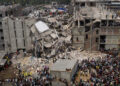







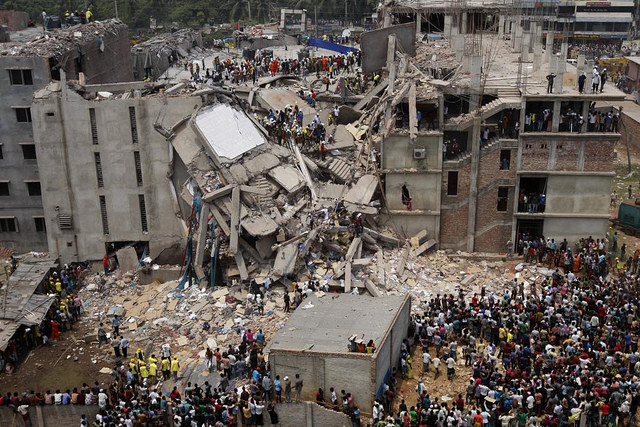

Architecture represents human ambition, but sometimes ambition outpaces execution—with catastrophic results. From collapsing bridges to sinking towers, history is filled with architectural disasters that reshaped building codes, engineering standards, and public safety regulations. This in-depth exploration examines ten infamous failures, their causes, lessons learned, and how they transformed the construction industry forever.
A. What Constitutes an Architectural Disaster?
1. Defining Characteristics
-
Structural failure leading to collapse
-
Design flaws causing safety hazards
-
Budget overruns creating unusable “white elephants”
-
Aesthetic controversies sparking public outrage
2. Common Causes
A. Engineering miscalculations
B. Material failures
C. Rushed construction timelines
D. Ignoring environmental factors
B. 10 Most Shocking Architectural Failures
1. The Tacoma Narrows Bridge Collapse (1940)
-
Location: Washington, USA
-
What Happened: “Galloping Gertie” swayed violently before twisting apart
-
Cause: Aerodynamic instability in suspension design
-
Legacy: Revolutionized bridge engineering standards
2. The Hyatt Regency Walkway Collapse (1981)
-
Location: Kansas City, USA
-
Casualties: 114 dead, 216 injured
-
Cause: Fatal design change in walkway support beams
-
Impact: Overhauled engineering certification processes
3. The Leaning Tower of Pisa (1372-present)
-
Location: Pisa, Italy
-
Problem: 5.5° tilt threatening collapse
-
Solution: $30M stabilization project (1990-2001)
-
Irony: Became Italy’s most famous accidental tourist attraction
4. The Lotus Riverside Complex Collapse (2009)
-
Location: Shanghai, China
-
Shocking Image: Entire high-rise toppled sideways
-
Cause: Improper foundation work near riverbank
-
Aftermath: 6 officials imprisoned for negligence
5. The Walkie Talkie Building’s “Death Ray” (2013)
-
Location: London, UK
-
Problem: Concave facade melted cars and burned carpets
-
Solution: Permanent sunshade installation costing £10M
-
Lesson: Solar reflection analysis now mandatory for skyscrapers
6. The Ryugyong Hotel (1987-present)
-
Location: Pyongyang, North Korea
-
Failure: 105-story “Hotel of Doom” stood empty for decades
-
Issues: Construction halts, material shortages, elevator problems
-
Status: Finally opened partially in 2018 after 30 years
7. The Millennium Tower Sinking (2016-present)
-
Location: San Francisco, USA
-
Problem: 58-story luxury tower tilting and sinking
-
Cause: Inadequate foundation for soft soil
-
Repair Cost: $100M+ and counting
8. The Fidenae Stadium Collapse (27 AD)
-
Location: Rome, Italy
-
History’s Deadliest: 20,000 casualties
-
Cause: Wooden bleachers built over unstable ground
-
Legacy: Inspired Rome’s first building codes
9. The Surfside Condo Collapse (2021)
-
Location: Florida, USA
-
Tragedy: 98 deaths in middle-of-night failure
-
Root Causes: Saltwater corrosion, deferred maintenance
-
Reforms: New Florida high-rise inspection laws
10. The Quebec Bridge Double Disaster (1907 & 1916)
-
Unique Fact: Collapsed twice during construction
-
Errors: First from weight miscalculations, second from lifting mishap
-
Engineering Legacy: Now taught as cautionary case study
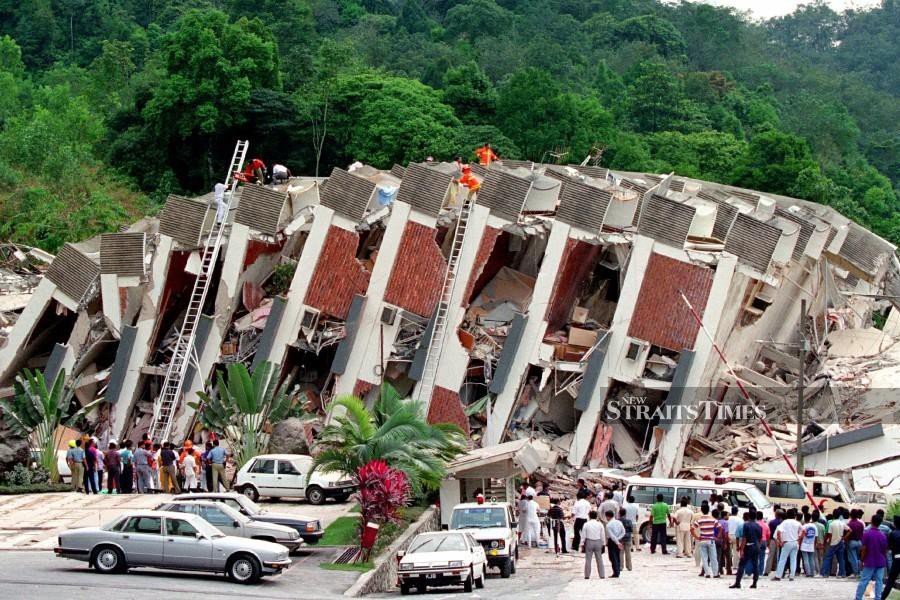
C. Lessons Learned From These Failures
1. Safety Advancements
-
Peer review requirements for structural designs
-
Non-destructive testing methods development
-
Computer modeling replacing manual calculations
2. Regulatory Changes
-
Stricter material testing protocols
-
Mandatory maintenance schedules for aging structures
-
Geotechnical surveys becoming more rigorous
3. Professional Accountability
-
Licensing boards gaining more oversight power
-
Whistleblower protections for safety concerns
-
Criminal liability for gross negligence
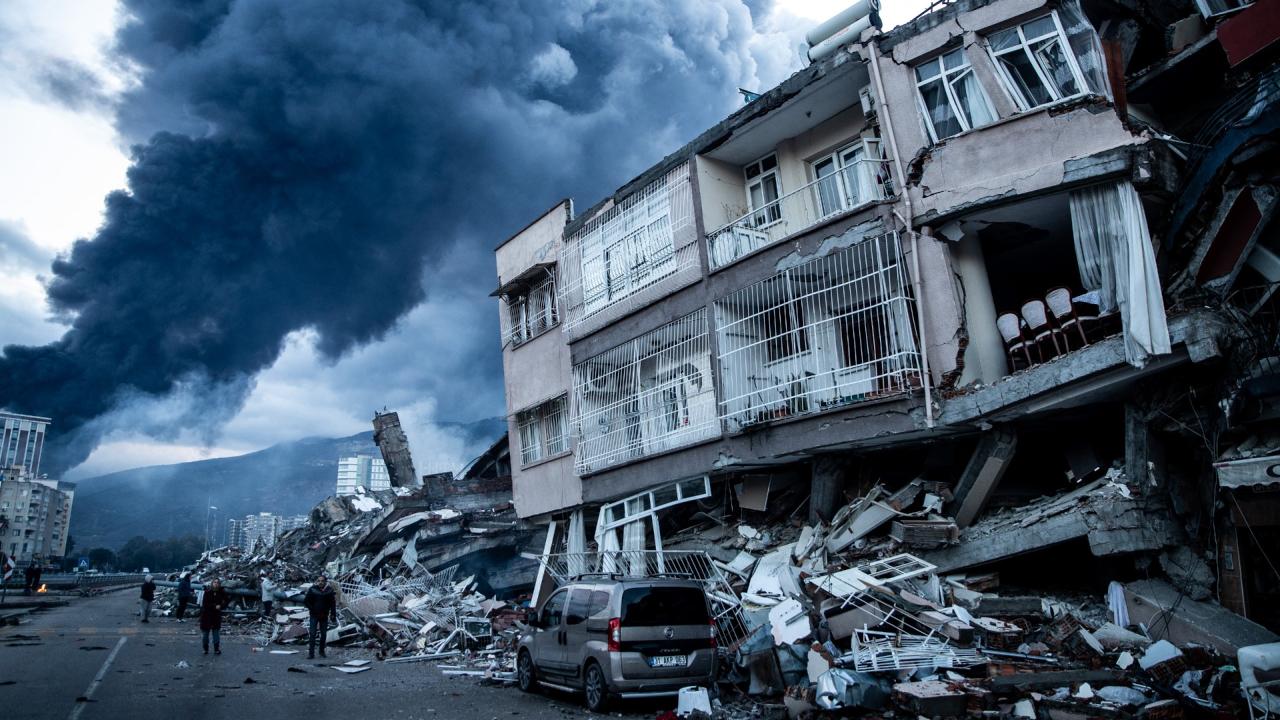
D. How Technology Prevents Future Disasters
1. Modern Protective Measures
A. Structural health monitoring systems (real-time sensors)
B. Digital twin technology for predictive maintenance
C. AI-assisted design flaw detection
2. Case Study: Burj Khalifa’s Safety Systems
-
Over 8,000 sensors monitoring every structural element
-
Wind tunnel tested for 1-in-50-year storms
-
Evacuation protocols for 35,000+ occupants
E. The Psychological Impact of Architectural Failures
1. Public Trust Erosion
-
Skyscraper phobia increases after collapses
-
Engineering profession credibility challenges
2. Memorialization Trends
-
Victim memorials incorporated into rebuilt structures
-
Educational displays explaining failures
Conclusion
These architectural disasters—while tragic—have made modern structures safer than ever. Each failure contributed vital knowledge that prevents future catastrophes. As we build taller and more ambitious projects, remembering these lessons ensures we honor those who paid the ultimate price for progress.
Tags: engineering failures, building collapses, structural engineering, construction safety, architectural history, disaster prevention, building codes, infrastructure safety, construction mistakes, famous disasters